
Image: BBC World
A shocking incident in DR Congo sees an angry crowd set fire to an Ebola hospital after a young man’s death. Discover the implications of this unrest.
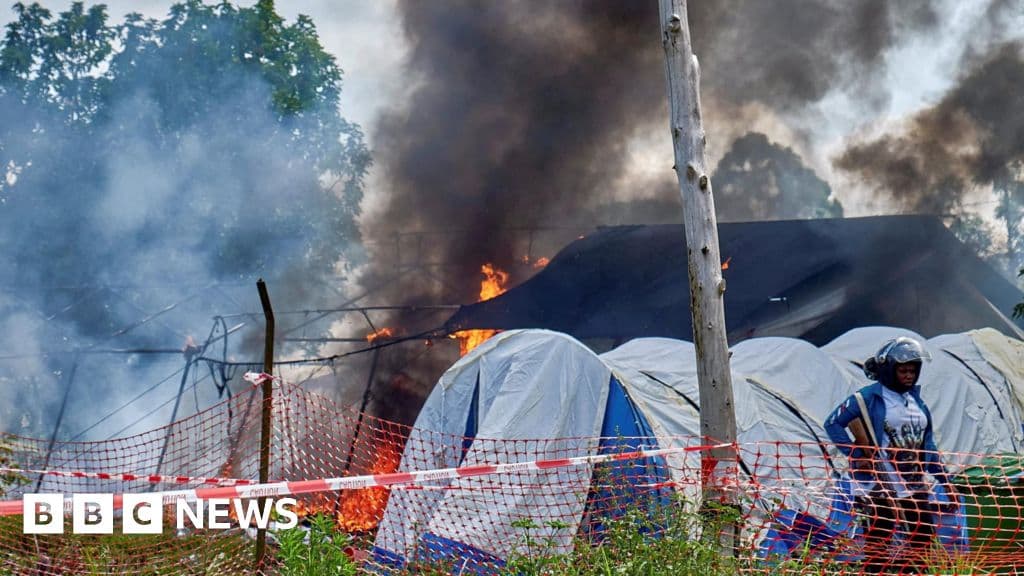
GlipzoA violent confrontation unfolded at Rwampara General Hospital in the eastern Democratic Republic of Congo (DRC) as an angry crowd set fire to hospital tents amid escalating fears regarding the Ebola outbreak. This incident occurred after family members of a young man, believed to have died from the virus, were prevented from taking his body for burial. The situation escalated quickly, with projectiles being hurled at hospital personnel and facilities.
Local politician Luc Malembe Malembe described the scene to the BBC, stating that protesters attacked the hospital and ignited tents that were serving as isolation wards. In response to the mounting chaos, police were forced to fire warning shots to disperse the agitated crowd.
In the context of an Ebola outbreak, the handling of victims' bodies is crucial, as they pose a significant risk of transmission. Authorities emphasize the importance of safe burial practices to prevent further spread of the virus.
As tensions rose, medical workers at Rwampara General Hospital found themselves under military protection to ensure their safety. Reports indicate that a healthcare worker was injured when protesters began throwing stones. This violent reaction underscores the community's fears and misconceptions about the Ebola virus.
Jean Claude Mukendi, who is coordinating the security response to the outbreak in Ituri, noted that the deceased was a beloved local figure. Many in the community, including the victim's mother, believed he died from typhoid fever rather than Ebola, showcasing a lack of understanding about the disease’s severity.
Witnesses reported that the deceased was a local football player, which may have heightened emotions among his supporters and family. Malembe highlighted the pervasive disbelief surrounding the Ebola virus, particularly in remote regions where misinformation is rampant. Some locals perceive the outbreak as a foreign fabrication, driven by NGOs and hospitals seeking profit.
In light of this tragic incident, the World Health Organization (WHO) insists on the necessity of “safe and dignified burials” for Ebola victims, to minimize risk and maintain respect for the deceased. Trained teams equipped with protective gear are essential for handling bodies to prevent further spread of the virus.
The unrest at Rwampara Hospital coincided with the treatment of six Ebola patients housed in the very tents that were destroyed. Fortunately, the medical charity Alima, which operated the facility, confirmed that all patients were accounted for and receiving care.
The situation escalated further as the DR Congo national football team canceled its pre-World Cup training camp in Kinshasa due to the outbreak, highlighting the broader implications of the Ebola crisis on public events and safety. The WHO declared the outbreak a public health emergency of international concern, though it clarified that it does not currently meet the criteria for a pandemic.
As of Wednesday, the WHO reported that 139 individuals in DR Congo had succumbed to Ebola, with approximately 600 suspected cases. However, Congolese Health Minister Samuel Roger Kamba reported an even higher death toll of 159. This discrepancy emphasizes the urgency of accurate data collection amid an ongoing crisis.
Compounding the issue, two Ebola cases were identified in neighboring Uganda, prompting authorities to suspend all public transport across the border, including flights and buses. Additionally, passenger ferries on the Semliki River, which delineates the border, are also barred from operating.
The outbreak is attributed to a rare variant of Ebola known as Bundibugyo, which currently lacks an available vaccine. The WHO estimates that it may take as long as nine months to develop an effective vaccine.
Further complicating the situation, the M23 rebel group announced the confirmation of an Ebola case in South Kivu province, far from the outbreak's epicenter in Ituri. The 28-year-old individual had traveled from Kisangani and unfortunately passed away before a diagnosis was confirmed.
This new case raises alarms about the potential spread of the virus to areas not previously affected, and it highlights the urgent need for effective community education and disease control measures.
The violent outbreak of protests in Rwampara is more than just an isolated incident; it reflects deep-rooted fears and misinformation regarding Ebola within the DRC. As the virus continues to threaten lives, the need for comprehensive public health education is critical to combat skepticism and promote safe practices.
Authorities must prioritize community engagement to bridge the gap between health officials and local beliefs. Understanding the community's needs and misconceptions is essential for effective health responses. As the situation evolves, the global health community will closely monitor developments in the DRC and its neighboring regions, particularly the spread of Ebola and the response to emerging cases.
In the coming weeks, observers should pay attention to the health responses initiated by local and international agencies, as well as ongoing community education efforts. The potential for further violence and unrest remains a serious concern if adequate measures and communication strategies are not implemented promptly.
Shocking findings from Nottingham's maternity unit reveal a toxic culture and alarming neglect. What can be done to improve care? Discover the details.
BBC Health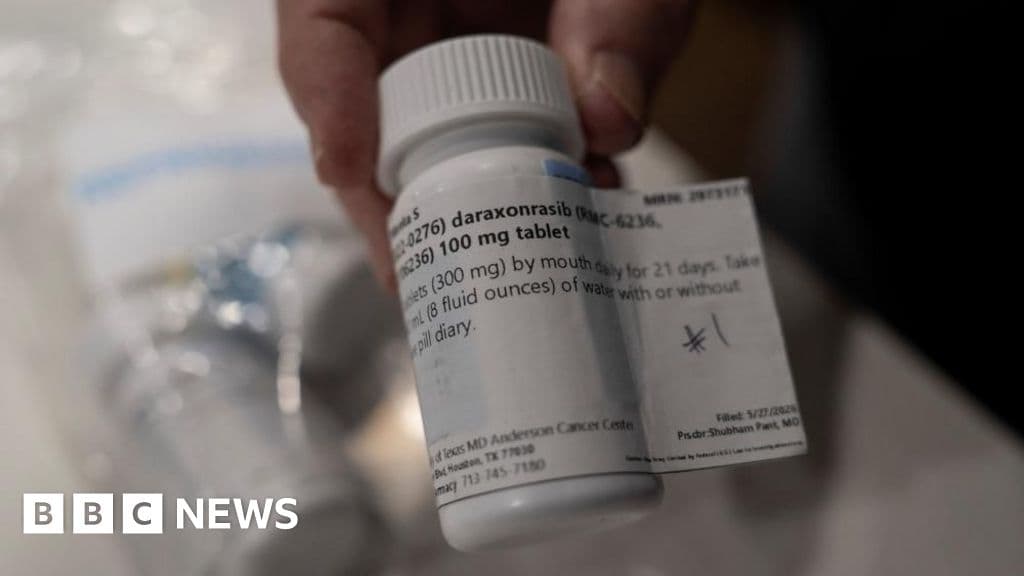
Discover how daraxonrasib, a new pill, is nearly doubling survival rates for pancreatic cancer patients, offering hope in a challenging battle against this deadly disease.
BBC Health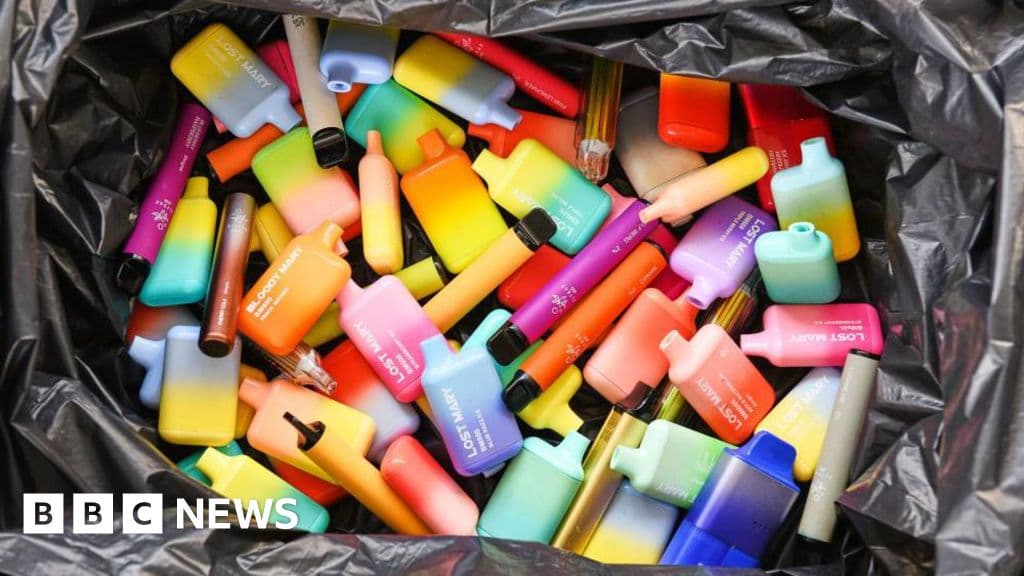
Waste companies propose a £5 deposit on vapes to encourage proper disposal and curb littering as the environmental impact of vapes increases.
BBC Business