
Image: BBC Health
Fitness champion Aimee Oliver opens up about her struggle with incontinence after childbirth, highlighting the urgent need for better postpartum support.
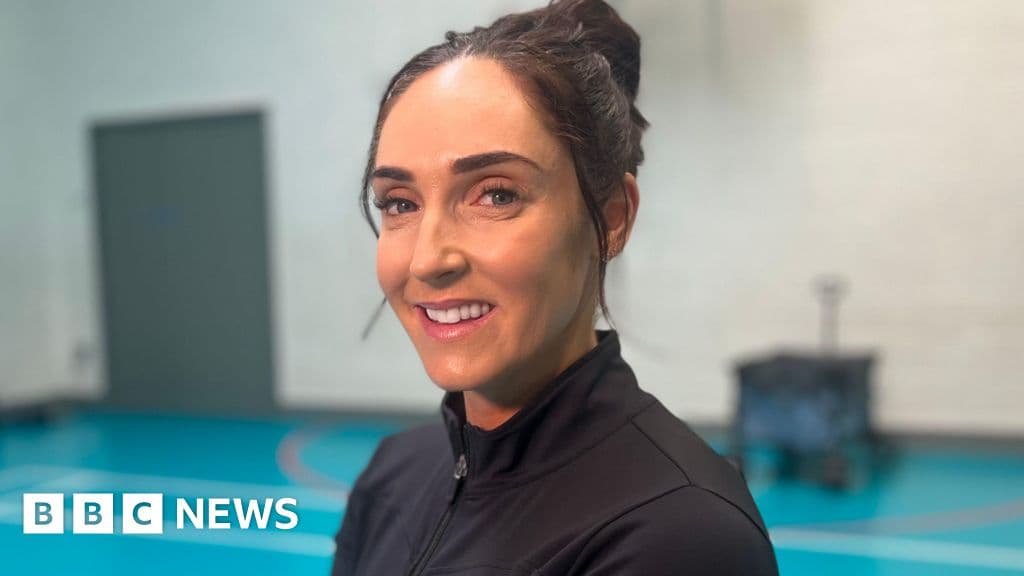
GlipzoAimee Oliver, a dedicated fitness enthusiast and personal trainer from Northern Ireland, never expected that childbirth would lead to serious health complications. Now 37, Aimee’s battle with incontinence began in her 20s, shortly after the birth of her first child, marking the start of a challenging journey that has left her feeling vulnerable even in the midst of competition.
"When my body stopped working as it should, I actually began to mourn my old self," Aimee reflected on her experience. This sentiment resonates with many women who face similar challenges after giving birth. Recent reports from Northern Ireland's five regional health trusts indicate that a growing number of people are seeking help for incontinence, with a significant rise in self-referrals among both men and women.
Incontinence is defined as the involuntary loss of bladder or bowel control, which can range from minor leaks to complete loss of control. This condition can stem from various underlying issues, such as weakened pelvic muscles, neurological disorders, and infections. As Aimee continues to excel in her sport—having qualified for the Pro Hyrox World Championships for the second consecutive year—she grapples with the mental and physical toll of her condition.
Aimee emphasizes that incontinence is not just a physical issue; it can be mentally debilitating as well. Many women, including Aimee herself, choose to withdraw from social events or refrain from exercising due to the fear of leaks. Aimee recounted her experiences during competitions, stating, "In a recent competition in Belfast, I won overall female, but I was leaking while competing and wondering, 'Can people see my shorts are wet?" This highlights the stigma surrounding incontinence and how it can impact self-esteem and participation in sports.
The embarrassment surrounding incontinence often leads women to suffer in silence, which can exacerbate the problem. Aimee noted that she has taken several measures to manage her condition while competing, including wearing thicker shorts and pads, yet she still experiences noticeable leaks.
As a mother of three, Aimee believes that the support for postpartum women in Northern Ireland is lacking. Unlike her clients in countries like France, Spain, and Sweden, who benefit from a robust post-natal support system, Aimee feels that women in her region are often left to fend for themselves. "In some countries, the entire process of pregnancy and postpartum care includes automatic physiotherapy appointments—often 10 sessions post-birth—which can significantly improve a woman's long-term health," Aimee stated.
Facing the prospect of a six-year wait for treatment through the NHS, Aimee has decided to pursue pelvic floor surgery privately. "At 37, I am at the peak of my competition fitness, so I don't have six years to wait," she explained. The pelvic floor muscles are essential for supporting the bladder, bowel, and uterus, and strengthening them can significantly reduce the risk of incontinence and other complications.
Julie Edmonds, a continence specialist nurse, confirms that incontinence is exceedingly common, with a notable increase in self-referrals. "It can affect anybody, any gender, any age. We are treating individuals from as young as 18 to women in their early 100s," she shared. The recent uptick in younger women seeking help indicates a shift in societal attitudes toward incontinence, as they refuse to accept it as a normal consequence of childbirth or menopause.
While childbirth is the most recognized cause of weakened pelvic floors, Julie Edmonds also points out the impact of lifestyle choices, particularly drinking habits.
Aimee Oliver's journey highlights the urgent need for increased awareness and support for women suffering from incontinence, particularly postpartum. It is essential for healthcare systems to recognize the importance of postpartum physiotherapy and to offer comprehensive support during this critical period. As Aimee prepares for surgery, her story serves as an important reminder that incontinence is not just a personal struggle but a widespread issue that deserves attention and understanding.
As we look to the future, it is crucial for both healthcare professionals and society to foster conversations around incontinence, reducing stigma, and ensuring that women receive the care they need. Aimee's experience will hopefully inspire others to seek help and advocate for improved post-natal care, paving the way for a healthier future for all women.
Shocking findings from Nottingham's maternity unit reveal a toxic culture and alarming neglect. What can be done to improve care? Discover the details.
BBC Health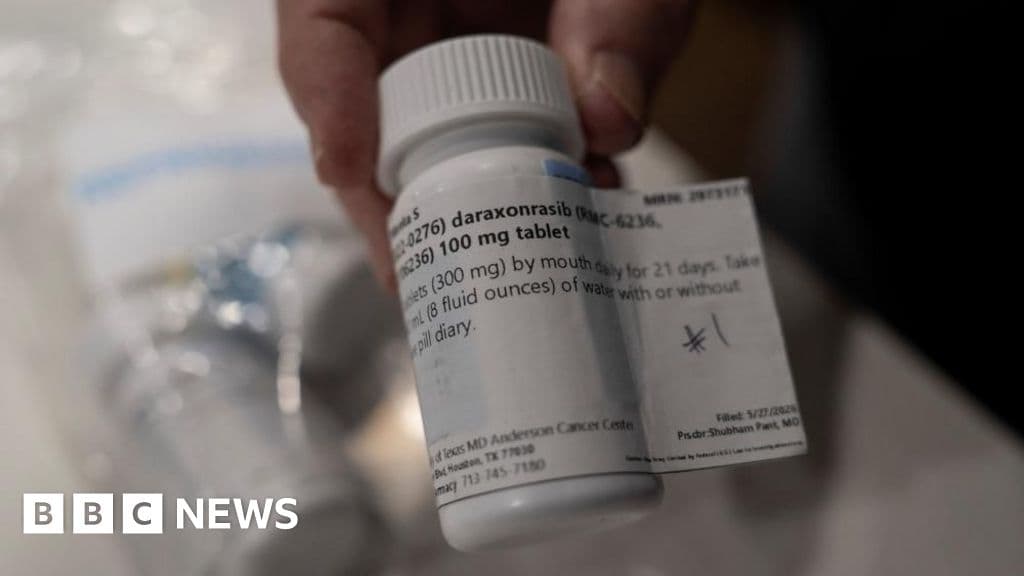
Discover how daraxonrasib, a new pill, is nearly doubling survival rates for pancreatic cancer patients, offering hope in a challenging battle against this deadly disease.
BBC Health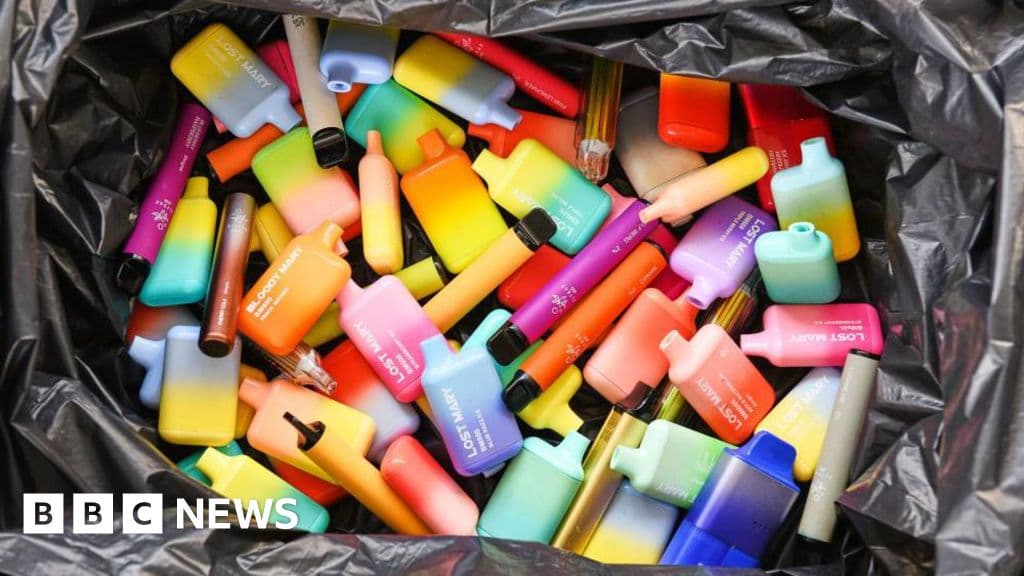
Waste companies propose a £5 deposit on vapes to encourage proper disposal and curb littering as the environmental impact of vapes increases.
BBC Business