
Image: BBC Health
Bethany Gamble's battle with Topical Steroid Withdrawal reveals a shocking reality. Learn how awareness is rising and research is evolving.
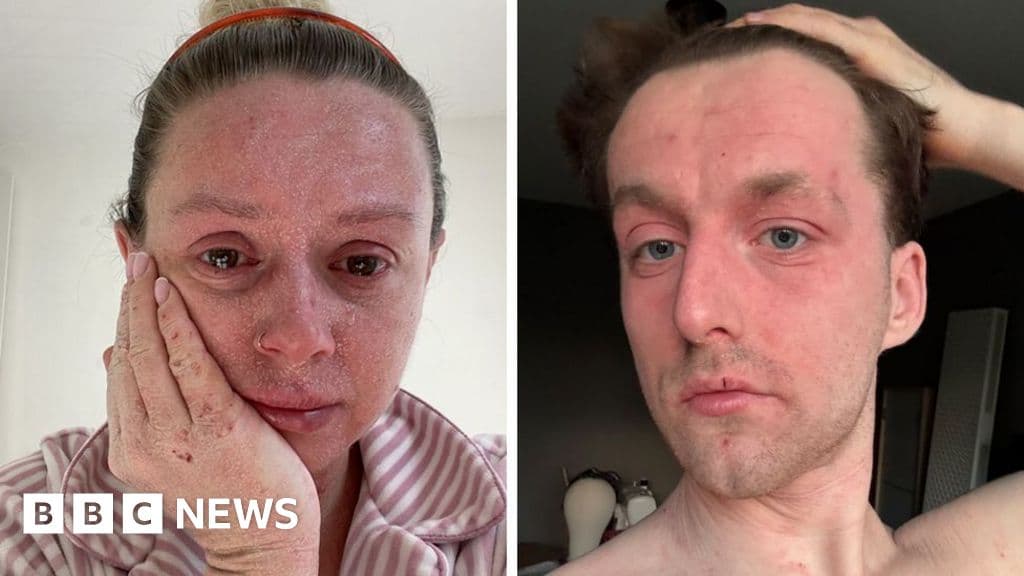
GlipzoBethany Gamble, a 21-year-old from Birmingham, has been battling eczema since the age of two, relying on steroid creams to manage her symptoms. While the treatment was effective for years, her life took a drastic turn when she turned 18.
Suddenly, the small patches of eczema she had grown accustomed to were no longer manageable. "My skin was hot, so inflamed and red. It began to crack and ooze, and the itch was bone deep. It consumed my whole body, and then it began to consume my whole life," Bethany recalls, sharing her harrowing experience. By her 20th birthday, the condition had escalated to the point where she could not even get out of bed.
This painful journey has not only been a physical struggle for Bethany but also an emotional one. She felt dismissed by healthcare professionals who attributed her worsening symptoms solely to eczema. "I was constantly gaslit by doctors. They kept telling me it was just my eczema and offering me more steroids. I've had eczema my whole life – this was different," she explains.
Bethany's story is far from unique. She is part of a growing community that shares their experiences with Topical Steroid Withdrawal (TSW) on social media, primarily using the hashtag #TSW. Remarkably, videos tagged with #TSW have amassed over one billion views on TikTok, shedding light on this debilitating condition that many in the medical community still do not fully understand.
Also known as red skin syndrome, TSW is under-researched, leading to confusion among some general practitioners and dermatologists regarding diagnosis and treatment. Experts remain divided on whether TSW is a severe reaction to steroid creams or merely a flare-up of eczema and other skin issues.
Despite its classification as relatively rare, the surge in social media testimonies featuring inflamed, peeling skin has prompted the first dedicated research into TSW in the UK. Professor Sara Brown, a consultant dermatologist at the University of Edinburgh, is at the forefront of this initiative, having secured funding from the National Eczema Society to investigate the phenomenon.
Professor Brown has expressed concern over the “unexplainable” symptoms exhibited by her patients. She and her co-researcher, Dr. Alice Burleigh, who is part of a TSW patient advocacy group called Scratch That, have launched a comprehensive study to analyze the condition. They are currently recruiting hundreds of participants across the UK to examine various symptoms, saliva samples, and skin biopsies.
"We're seeing patterns in TSW that cannot be explained by what is known about eczema," Professor Brown states, highlighting symptoms such as thickening skin, termed 'elephant skin', extreme shedding, and sharply defined areas of redness against normal skin.
One participant, Henry Jones, 22, from High Wycombe, identifies himself as a “TSW warrior,” showcasing his commitment to raising awareness about this condition. He transitioned from sporadic use of steroid creams to suffering debilitating symptoms that forced him to abandon his university studies.
Henry's experience mirrors that of many others facing TSW. He initially received the same dismissive treatment from his university GP, who insisted it was merely eczema and prescribed more steroid ointments. However, the more cream he applied, the worse his condition became. "I was so red, my skin was so tight, then it would flake, then it would ooze, and then the cycle would begin again," Henry recalls.
As his eczema spread, it severely impacted his quality of life. He found it painful to move, isolating him from social interactions and studies. At his lowest points, he contemplated taking his own life, describing the experience as a dark hole overshadowed by the burden of his skin.
TSW does not manifest uniformly across different skin tones, adding another layer of complexity to its diagnosis. On lighter skin, the condition presents as an intense red hue. In contrast, on darker skin, it can appear as deep purple or brown, often making it more challenging to recognize. This discrepancy can lead to further misdiagnosis and misunderstanding of the condition.
Karishma Leckraz, who resides in Kent, shares her long-term struggle with denial regarding her symptoms, exacerbated by the lack of understanding surrounding TSW.
The growing awareness of TSW is crucial for both patients and healthcare providers. As more individuals like Bethany and Henry share their stories, the medical community is slowly beginning to acknowledge the existence of this debilitating condition.
Why does this matter? The experiences of those suffering from TSW highlight the urgent need for more comprehensive research and improved medical education regarding the potential side effects of long-term steroid use. As this research unfolds, it may lead to better diagnostic criteria and treatment options for millions suffering from eczema and its complications.
The current research spearheaded by Professor Brown and Dr. Burleigh represents a pivotal step toward understanding TSW. As they analyze data and gather more insights, the hope is to unravel the mysteries surrounding this condition.
Future studies could pave the way for new treatments and support systems for those affected by TSW, ultimately enhancing their quality of life. As awareness continues to grow, individuals experiencing TSW may find solace in knowing they are not alone in their battle against this often misunderstood condition.

Shocking findings from Nottingham's maternity unit reveal a toxic culture and alarming neglect. What can be done to improve care? Discover the details.
BBC Health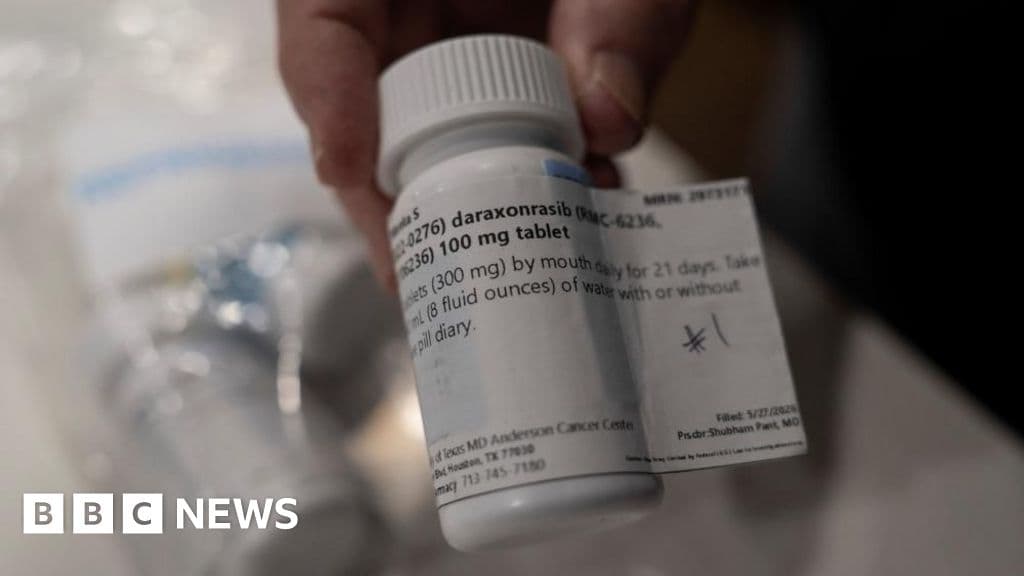
Discover how daraxonrasib, a new pill, is nearly doubling survival rates for pancreatic cancer patients, offering hope in a challenging battle against this deadly disease.
BBC Health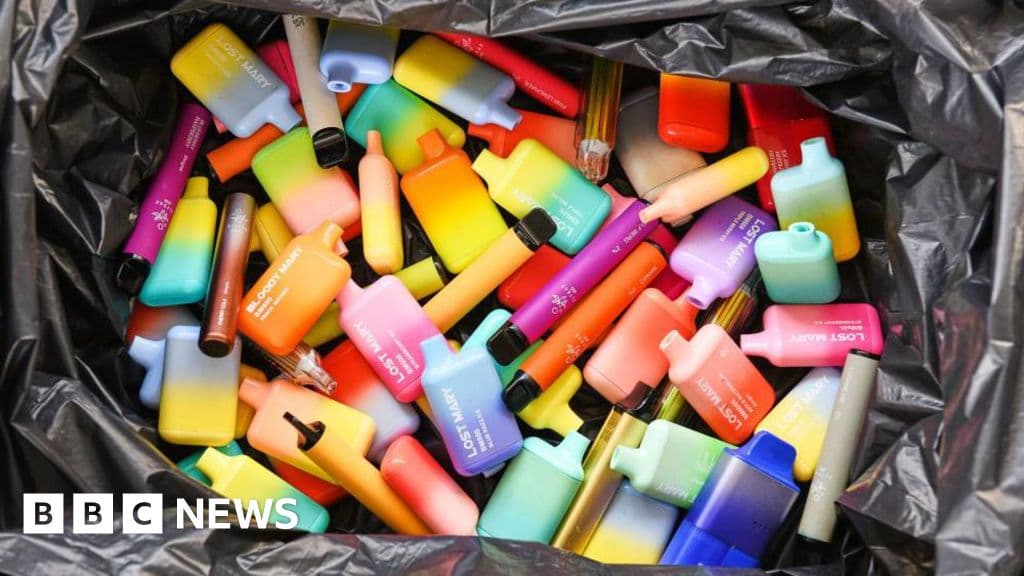
Waste companies propose a £5 deposit on vapes to encourage proper disposal and curb littering as the environmental impact of vapes increases.
BBC Business