Glipzo
WorldTechnologyBusinessSportsEntertainmentScienceHealthPolitics
Glipzo
WorldTechnologyBusinessSportsEntertainmentScienceHealthPolitics
  1. Home
  2. /
  3. Health
  4. /
  5. Shocking Survival: Man Lives 48 Hours Without Lungs
Shocking Survival: Man Lives 48 Hours Without Lungs

Image: Science Daily

Health
Wednesday, March 18, 20264 min read

Shocking Survival: Man Lives 48 Hours Without Lungs

Discover how a man survived 48 hours without lungs using an artificial system, redefining lung transplant protocols and hope for critically ill patients.

Glipzo News Desk|Source: Science Daily
Share
Glipzo

Key Highlights

  • 33-year-old man survives 48 hours without lungs!
  • Artificial lung system kept him alive for transplant.
  • Molecular proof shows some ARDS patients need transplants.
  • Case may reshape lung transplant protocols.
  • A breakthrough in critical care for lung infections.

In this article

  • A Groundbreaking Medical Feat In a remarkable medical case, a **33-year-old man** defied the odds by surviving **48 hours without lungs**. This extraordinary event was documented in a recent article published in the prestigious journal **Med by Cell Press**. Surgeons from **Northwestern University** provided crucial insights into how they managed to keep the patient alive using an innovative artificial lung system until he could receive a double lung transplant.
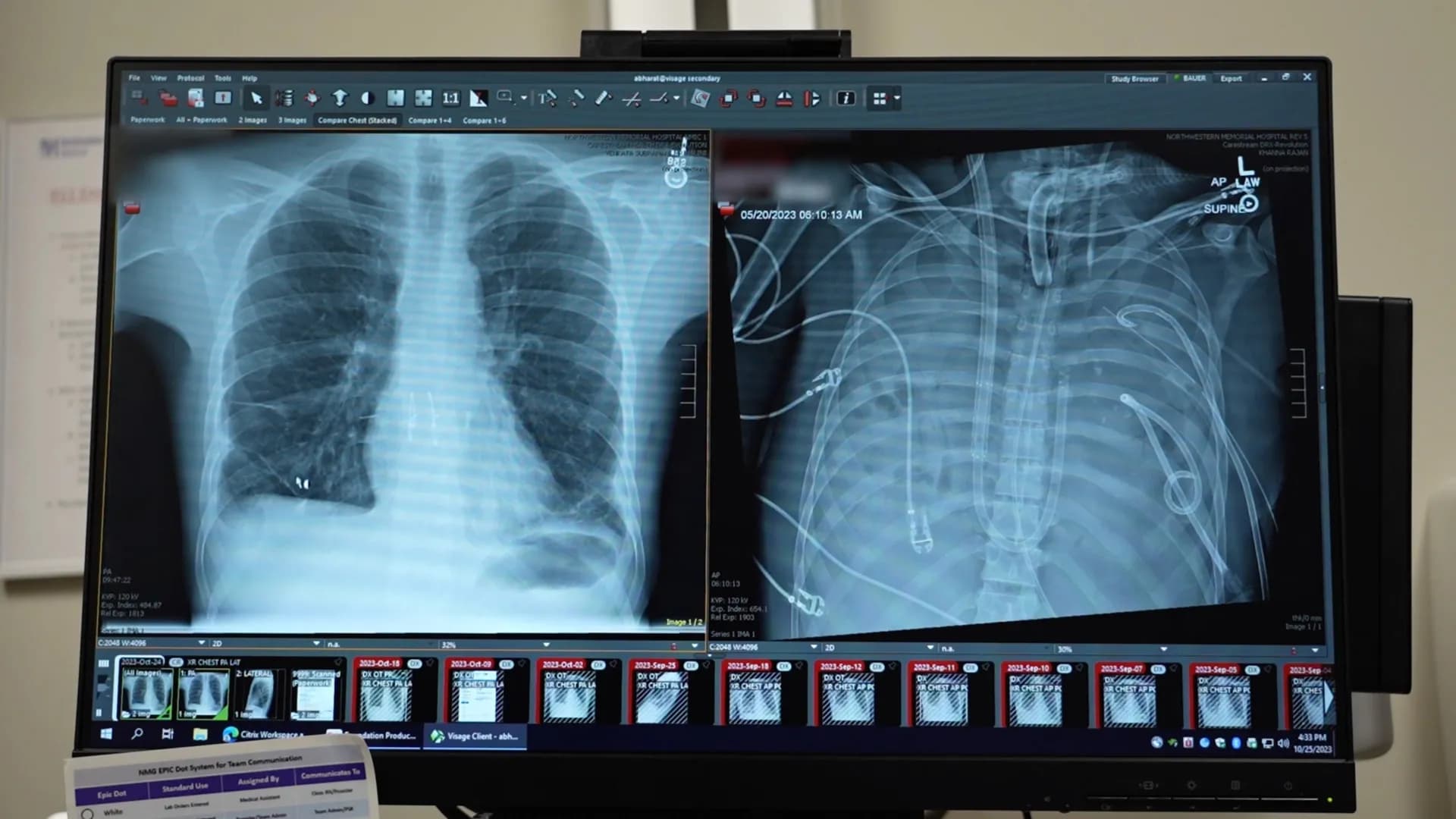
  • The Urgency of Acute Respiratory Distress Syndrome (ARDS) The patient’s harrowing journey began with **acute respiratory distress syndrome (ARDS)**, a severe condition where inflammation and infection wreak havoc on the lungs. His health rapidly deteriorated following a bout of the flu, which was exacerbated by a secondary **bacterial pneumonia**. As the infection progressed, the man experienced multiple organ failures, including his lungs, heart, and kidneys. The surgical team realized that a double lung transplant was his only viable chance for survival.
  • The Dilemma: Removing the Lungs Upon arrival at the hospital, the patient's condition was dire; his heart had stopped, necessitating immediate **CPR**. According to **Ankit Bharat**, the lead thoracic surgeon, the lungs were beyond recovery and were actively spreading the infection. However, the challenge was that the patient was too unstable for an immediate transplant. "When the infection is so severe that the lungs are melting, they're irrecoverably damaged. That's when patients die," Bharat stated.
  • Introducing the Artificial Lung System To keep the patient alive during this critical period, the medical team devised an **artificial lung system**. This innovative solution took over the lungs' essential functions: it oxygenated the blood, removed carbon dioxide, and supported circulation. This intervention was crucial for stabilizing the patient’s heart and other organs despite the absence of functioning lungs.
  • A Remarkable Improvement Once the damaged lungs were removed, the patient began to show signs of recovery. His **blood pressure** stabilized, and the function of his organs improved significantly as the infection was brought under control. After two days, the medical team received news that **donor lungs** were available. The subsequent double lung transplant was a success, enabling the patient to enjoy a normal life over two years later.
  • New Insights into Lung Damage and Transplantation Bharat emphasized the shifting paradigm regarding lung transplants. Traditionally, such procedures are reserved for patients with chronic conditions like **cystic fibrosis** or **interstitial lung disease**. However, this case challenges that notion. The examination of the removed lungs revealed severe scarring and immune system damage, confirming that recovery was impossible. "For the first time, biologically, we are giving molecular proof that some patients will need a double lung transplant, otherwise they will not survive," Bharat explained.
  • The Future of Lung Transplant Protocols While this groundbreaking approach is currently limited to specialized medical facilities equipped for such advanced interventions, Bharat envisions a future where this method could be standardized across hospitals. "In my practice, young patients die almost every week because no one realized that transplantation was an option," he lamented. His hope is that the medical community will recognize that lung transplants can be lifesaving even in acute cases caused by respiratory infections.
  • Why This Case Matters The implications of this medical breakthrough extend beyond just one patient. It raises essential questions about how we approach severe lung infections and the criteria for organ transplantation. The findings suggest that the medical community may need to rethink its strategies surrounding lung damage and patient eligibility for transplants.
  • What’s Next? As research continues, the focus will be on developing more effective artificial lung systems and potentially more accessible transplantation protocols. Medical professionals will likely examine the criteria for evaluating patients with critical lung conditions, considering this case as a pivotal learning point. Future studies may provide further insights into the recovery possibilities for patients suffering from ARDS and similar conditions.
  • Key Takeaways - A **33-year-old man** survived **48 hours without lungs** thanks to innovative medical techniques. - The patient suffered from **acute respiratory distress syndrome (ARDS)**, leading to multiple organ failures. - An **artificial lung system** was used to stabilize the patient until a double lung transplant could be performed. - Examination of the patient's removed lungs provided **molecular proof** that some ARDS cases may require immediate transplants. - This case could reshape protocols for lung transplants and treatment of severe lung infections.

A Groundbreaking Medical Feat In a remarkable medical case, a **33-year-old man** defied the odds by surviving **48 hours without lungs**. This extraordinary event was documented in a recent article published in the prestigious journal **Med by Cell Press**. Surgeons from **Northwestern University** provided crucial insights into how they managed to keep the patient alive using an innovative artificial lung system until he could receive a double lung transplant.

The Urgency of Acute Respiratory Distress Syndrome (ARDS) The patient’s harrowing journey began with **acute respiratory distress syndrome (ARDS)**, a severe condition where inflammation and infection wreak havoc on the lungs. His health rapidly deteriorated following a bout of the flu, which was exacerbated by a secondary **bacterial pneumonia**. As the infection progressed, the man experienced multiple organ failures, including his lungs, heart, and kidneys. The surgical team realized that a double lung transplant was his only viable chance for survival.

The Dilemma: Removing the Lungs Upon arrival at the hospital, the patient's condition was dire; his heart had stopped, necessitating immediate **CPR**. According to **Ankit Bharat**, the lead thoracic surgeon, the lungs were beyond recovery and were actively spreading the infection. However, the challenge was that the patient was too unstable for an immediate transplant. "When the infection is so severe that the lungs are melting, they're irrecoverably damaged. That's when patients die," Bharat stated.

Introducing the Artificial Lung System To keep the patient alive during this critical period, the medical team devised an **artificial lung system**. This innovative solution took over the lungs' essential functions: it oxygenated the blood, removed carbon dioxide, and supported circulation. This intervention was crucial for stabilizing the patient’s heart and other organs despite the absence of functioning lungs.

A Remarkable Improvement Once the damaged lungs were removed, the patient began to show signs of recovery. His **blood pressure** stabilized, and the function of his organs improved significantly as the infection was brought under control. After two days, the medical team received news that **donor lungs** were available. The subsequent double lung transplant was a success, enabling the patient to enjoy a normal life over two years later.

New Insights into Lung Damage and Transplantation Bharat emphasized the shifting paradigm regarding lung transplants. Traditionally, such procedures are reserved for patients with chronic conditions like **cystic fibrosis** or **interstitial lung disease**. However, this case challenges that notion. The examination of the removed lungs revealed severe scarring and immune system damage, confirming that recovery was impossible. "For the first time, biologically, we are giving molecular proof that some patients will need a double lung transplant, otherwise they will not survive," Bharat explained.

The Future of Lung Transplant Protocols While this groundbreaking approach is currently limited to specialized medical facilities equipped for such advanced interventions, Bharat envisions a future where this method could be standardized across hospitals. "In my practice, young patients die almost every week because no one realized that transplantation was an option," he lamented. His hope is that the medical community will recognize that lung transplants can be lifesaving even in acute cases caused by respiratory infections.

Why This Case Matters The implications of this medical breakthrough extend beyond just one patient. It raises essential questions about how we approach severe lung infections and the criteria for organ transplantation. The findings suggest that the medical community may need to rethink its strategies surrounding lung damage and patient eligibility for transplants.

What’s Next? As research continues, the focus will be on developing more effective artificial lung systems and potentially more accessible transplantation protocols. Medical professionals will likely examine the criteria for evaluating patients with critical lung conditions, considering this case as a pivotal learning point. Future studies may provide further insights into the recovery possibilities for patients suffering from ARDS and similar conditions.

In conclusion, this case not only underscores the resilience of the human body but also highlights the innovative spirit of the medical community in addressing life-threatening conditions. As we move forward, keeping an eye on advancements in artificial organ technology and transplantation will be crucial for improving outcomes for critically ill patients.

Key Takeaways - A **33-year-old man** survived **48 hours without lungs** thanks to innovative medical techniques. - The patient suffered from **acute respiratory distress syndrome (ARDS)**, leading to multiple organ failures. - An **artificial lung system** was used to stabilize the patient until a double lung transplant could be performed. - Examination of the patient's removed lungs provided **molecular proof** that some ARDS cases may require immediate transplants. - This case could reshape protocols for lung transplants and treatment of severe lung infections.

Did you find this article useful? Share it!

Share

Related Articles

Minister Denies Raw Sewage Posters in Belfast Lough Controversy
Health
Apr 15, 2026

Minister Denies Raw Sewage Posters in Belfast Lough Controversy

Posters warning of raw sewage in Belfast Lough mislead public, says minister. Discover the implications and future actions to ensure water safety.

BBC Science
Surprising Benefits of Doctors' Strikes: A Deeper Look
Health
Apr 15, 2026

Surprising Benefits of Doctors' Strikes: A Deeper Look

Doctors' strikes in England reveal surprising benefits for the NHS, leading to faster care but raising questions about sustainability and future workforce training.

BBC Health
Shocking Child HIV Outbreak Linked to Unsafe Hospital Practices
Health
Apr 14, 2026

Shocking Child HIV Outbreak Linked to Unsafe Hospital Practices

A shocking HIV outbreak in Taunsa, Pakistan, linked to unsafe syringe practices at a local hospital, raises urgent questions about healthcare safety.

BBC World

Categories

  • World
  • Technology
  • Business
  • Sports

More

  • Entertainment
  • Science
  • Health
  • Politics

Explore

  • Web Stories
  • About Us
  • Contact

Legal

  • Privacy Policy
  • Terms of Service

© 2026 Glipzo. All rights reserved.