

Image: Times of India
Crude oil prices in India have surged to $137, a 93% increase since conflict began. Discover the economic implications and what’s next for consumers.
GlipzoIn a staggering turn of events, Indian crude oil prices have surged to $137 per barrel, marking a 93% increase since the onset of the ongoing conflict. This dramatic rise can be attributed to various geopolitical tensions impacting global oil supply chains, leading to economic repercussions not only in India but across the globe. The situation has sparked concerns about inflation and its effect on consumers and industries alike.
As of now, this price volatility has raised eyebrows among economists and policymakers, prompting discussions about energy independence and the transition towards renewable sources. The price hike has significant implications for India's economy, which heavily relies on imported oil to meet its energy demands.
Several factors are contributing to the skyrocketing crude oil prices, including: - Geopolitical tensions: Ongoing conflicts in oil-rich regions have disrupted supply chains. - Demand fluctuations: Post-pandemic economic recovery has led to increased demand for oil across various sectors. - OPEC+ decisions: Production cuts by OPEC+ members have limited supply, exacerbating the situation.
The rise in crude prices not only affects consumers at the pump but also impacts various industries, from manufacturing to transportation. As fuel costs rise, businesses are likely to pass on these expenses to consumers, further intensifying inflationary pressures.
For India, which imports over 80% of its crude oil, the current price jump poses serious challenges. The country’s current account deficit could widen, impacting the rupee's stability and leading to potential inflation spikes. Economists warn that continued high oil prices could slow down the economic recovery, which has been gaining momentum post-pandemic.
Moreover, the government may face mounting pressure to intervene in the market to stabilize prices. Possible measures could include: - Subsidizing fuel costs to shield consumers from price hikes. - Exploring alternative energy sources to reduce dependency on oil imports. - Negotiating with oil-producing nations for better pricing agreements.
The implications of rising oil prices extend beyond India’s borders. As countries around the world grapple with the same issues, we could see a ripple effect on global markets. Key potential outcomes include: - Increased inflation rates in multiple economies as energy prices rise. - Shift in energy policies, with countries accelerating their transition to renewable energy sources. - Heightened political tensions, particularly in regions heavily reliant on oil exports.
The global energy landscape is evolving, and the current crisis could serve as a catalyst for change, pushing nations to rethink their energy strategies and bolster resilience against future supply disruptions.
As oil prices continue to fluctuate, consumers and businesses must prepare for a possibly prolonged period of high energy costs. Here’s what to watch for in the coming months: - Further price increases: If geopolitical tensions persist, additional hikes in crude prices are likely. - Government response: Monitor any announcements from the Indian government regarding subsidies or policy changes aimed at curbing inflation. - Market adaptations: Businesses may start to implement strategies for energy efficiency or shift towards alternative energy sources.
In conclusion, the surge in Indian crude oil prices to $137 per barrel is a critical development that underscores the interconnectedness of global economies and the pressing need for sustainable energy solutions. As the situation evolves, all eyes will be on how both the government and consumers adapt to this challenging landscape.
As we move forward, the focus will likely shift to strategies for energy transition and resilience against future crises. The choices made today will shape the energy landscape for years to come.
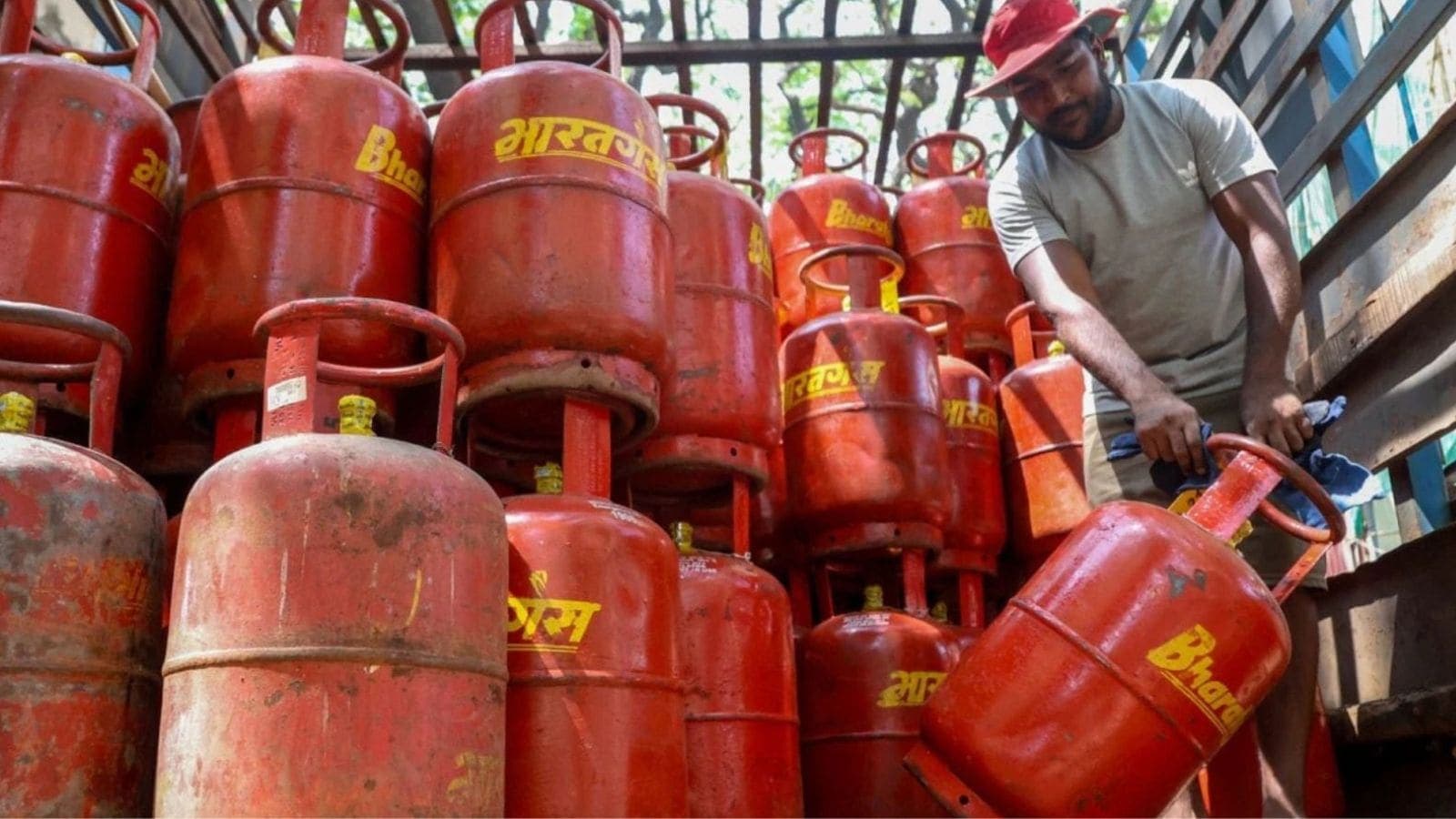
Commercial LPG prices have risen again, with increases of ₹42 in Delhi and ₹53.50 in Kolkata impacting businesses and consumers alike. Find out more.
Indian Express
Discover how a tragic coal mine explosion in Shanxi, China, reveals ongoing safety concerns in the industry amidst a push for green energy.
BBC Business
Montek Singh Ahluwalia highlights key economic challenges for India, emphasizing the need for a strategic approach to balance payments and investment.
Indian Express