Glipzo
WorldTechnologyBusinessSportsEntertainmentScienceHealthPolitics
Glipzo
WorldTechnologyBusinessSportsEntertainmentScienceHealthPolitics
  1. Home
  2. /
  3. Health
  4. /
  5. Shocking Study Reveals You Can Reverse Prediabetes Without Losing Weight
Shocking Study Reveals You Can Reverse Prediabetes Without Losing Weight

Image: Science Daily

Health
Thursday, March 19, 20265 min read

Shocking Study Reveals You Can Reverse Prediabetes Without Losing Weight

New study reveals prediabetes can be reversed without weight loss, challenging decades of conventional wisdom. Discover the implications for diabetes prevention!

Glipzo News Desk|Source: Science Daily
Share
Glipzo

Key Highlights

  • Study shows prediabetes can be reversed without weight loss.
  • About 25% of participants normalized blood sugar without shedding pounds.
  • Fat location impacts health more than overall weight.
  • GLP-1 hormone boosts insulin effectiveness in remission cases.
  • Focus on blood sugar normalization over weight loss for better health.

In this article

  • New Research Challenges Traditional Diabetes Advice For decades, the conventional wisdom around preventing diabetes has revolved around one central theme: weight loss. This long-held belief has dictated the approach to managing prediabetes, a condition affecting nearly **one in three adults** in the United States based on age and other factors. However, recent research published in **Nature Medicine** reveals that this perspective may need a significant overhaul.
  • Groundbreaking Findings on Prediabetes Remission The groundbreaking study indicates that it is possible for individuals with prediabetes to achieve remission — defined as returning blood sugar levels to normal — **without losing weight**. Remarkably, about **25%** of participants enrolled in lifestyle modification programs succeeded in normalizing their blood sugar levels even as their overall body weight remained unchanged or even increased. This finding is critical as it suggests that the pathway to diabetes prevention may not solely hinge on the scale.
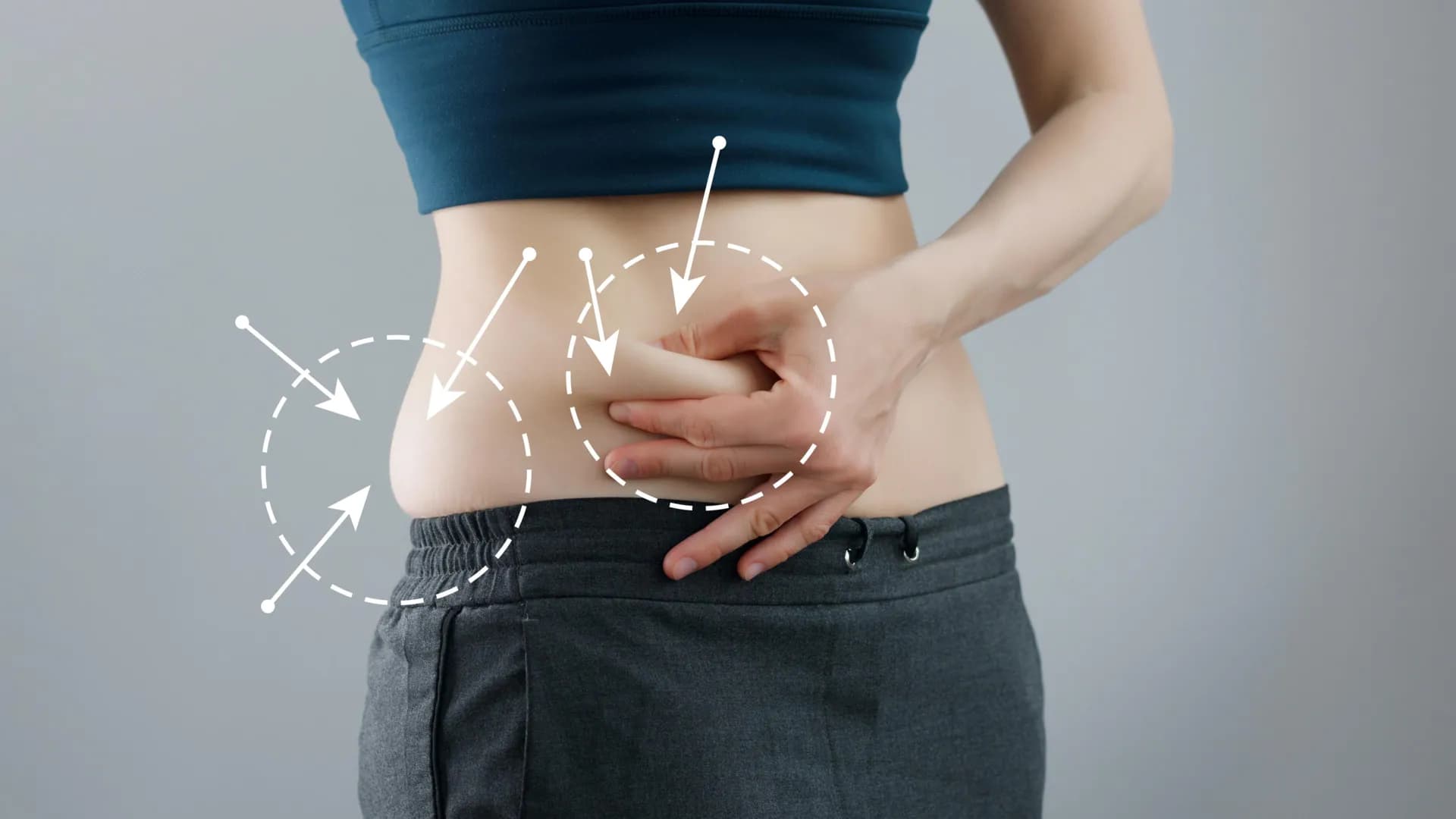
  • The Role of Fat Distribution in Health So, how can blood sugar levels improve without weight loss? The key appears to be in **where fat is stored in the body** rather than how much fat is present. Not all fat types are created equal. **Visceral fat**, which accumulates around internal organs in the abdomen, has detrimental effects on health, leading to chronic inflammation and disrupting insulin function. This dysfunction can culminate in elevated blood glucose levels.
  • Hormonal Factors Influencing Blood Sugar Regulation The research also shed light on the **hormonal mechanisms** at play in these individuals. Hormones that mimic the action of diabetes medications such as **Wegovy** and **Mounjaro** play a pivotal role in blood sugar management. In particular, **GLP-1** (glucagon-like peptide-1) is crucial as it helps pancreatic beta cells release insulin in response to rising blood sugar levels. Participants who attained remission without weight loss appeared to enhance their natural GLP-1 hormone system while diminishing the effects of other hormones that elevate glucose.
  • Practical Strategies for Managing Prediabetes These findings provide valuable insights into alternative strategies for individuals with prediabetes. Instead of fixating solely on weight reduction, focusing on lifestyle adjustments that promote healthier fat distribution may yield more significant benefits. Here are some practical tips:
  • A New Perspective on Diabetes Prevention While weight loss should not be dismissed entirely — as it remains beneficial for overall health — this new research emphasizes the importance of normalizing blood sugar levels as a primary goal, irrespective of weight changes. This revelation could redefine the approach for those who have faced challenges with traditional weight-loss methods, allowing them to experience meaningful health improvements through metabolic adjustments.
  • Global Implications and Future Directions The broader implications of these findings are significant. With diabetes continuing to be a global health crisis, this research could influence public health policies and strategies aimed at diabetes prevention. As healthcare providers adapt their approaches, the focus may increasingly shift towards metabolic health and fat distribution rather than merely weight metrics.

New Research Challenges Traditional Diabetes Advice For decades, the conventional wisdom around preventing diabetes has revolved around one central theme: weight loss. This long-held belief has dictated the approach to managing prediabetes, a condition affecting nearly **one in three adults** in the United States based on age and other factors. However, recent research published in **Nature Medicine** reveals that this perspective may need a significant overhaul.

Prediabetes is often characterized by higher-than-normal blood sugar levels, which can lead to type 2 diabetes if left unchecked. Traditionally, individuals diagnosed with this condition have been urged to adopt healthier eating habits and shed excess pounds to mitigate their risk. Yet, despite these efforts, diabetes rates are still on the rise globally, and many individuals find themselves struggling to meet weight-loss goals, leading to feelings of frustration and hopelessness.

Groundbreaking Findings on Prediabetes Remission The groundbreaking study indicates that it is possible for individuals with prediabetes to achieve remission — defined as returning blood sugar levels to normal — **without losing weight**. Remarkably, about **25%** of participants enrolled in lifestyle modification programs succeeded in normalizing their blood sugar levels even as their overall body weight remained unchanged or even increased. This finding is critical as it suggests that the pathway to diabetes prevention may not solely hinge on the scale.

What’s more compelling is that the protective effects against developing future diabetes are comparable between those who achieved remission through weight loss and those who did not. This research could revolutionize the way healthcare providers approach treatment for overweight or obese individuals at risk of diabetes.

The Role of Fat Distribution in Health So, how can blood sugar levels improve without weight loss? The key appears to be in **where fat is stored in the body** rather than how much fat is present. Not all fat types are created equal. **Visceral fat**, which accumulates around internal organs in the abdomen, has detrimental effects on health, leading to chronic inflammation and disrupting insulin function. This dysfunction can culminate in elevated blood glucose levels.

Conversely, subcutaneous fat — the type found just beneath the skin — can foster a healthier metabolism. It releases beneficial hormones that aid insulin’s effectiveness. The study discovered that participants who reversed prediabetes without shedding pounds tended to redistribute fat away from their abdominal region and into subcutaneous areas, even as their total weight remained constant.

Hormonal Factors Influencing Blood Sugar Regulation The research also shed light on the **hormonal mechanisms** at play in these individuals. Hormones that mimic the action of diabetes medications such as **Wegovy** and **Mounjaro** play a pivotal role in blood sugar management. In particular, **GLP-1** (glucagon-like peptide-1) is crucial as it helps pancreatic beta cells release insulin in response to rising blood sugar levels. Participants who attained remission without weight loss appeared to enhance their natural GLP-1 hormone system while diminishing the effects of other hormones that elevate glucose.

Practical Strategies for Managing Prediabetes These findings provide valuable insights into alternative strategies for individuals with prediabetes. Instead of fixating solely on weight reduction, focusing on lifestyle adjustments that promote healthier fat distribution may yield more significant benefits. Here are some practical tips:

  • **Adopt a Mediterranean Diet**: Incorporate polyunsaturated fatty acids found in fish, olives, and nuts to help reduce visceral fat.
  • **Engage in Endurance Exercises**: Regular aerobic activity can help diminish abdominal fat, even if overall weight remains stable.
  • **Monitor Blood Sugar Levels**: Regular tracking can provide insight into metabolic changes and guide adjustments in diet and exercise.

A New Perspective on Diabetes Prevention While weight loss should not be dismissed entirely — as it remains beneficial for overall health — this new research emphasizes the importance of normalizing blood sugar levels as a primary goal, irrespective of weight changes. This revelation could redefine the approach for those who have faced challenges with traditional weight-loss methods, allowing them to experience meaningful health improvements through metabolic adjustments.

Healthcare professionals may need to broaden their strategies, focusing on blood sugar enhancements and encouraging fat redistribution via diet and exercise. This shift could lead to more effective management plans for patients struggling with obesity or weight management.

Global Implications and Future Directions The broader implications of these findings are significant. With diabetes continuing to be a global health crisis, this research could influence public health policies and strategies aimed at diabetes prevention. As healthcare providers adapt their approaches, the focus may increasingly shift towards metabolic health and fat distribution rather than merely weight metrics.

Looking ahead, it will be crucial to monitor how these insights shape treatment protocols and patient education in diabetes management. Continued research will help clarify the most effective methods for achieving remission and improving overall health without the singular emphasis on weight loss. As this paradigm shifts, we may see a new era in diabetes prevention that prioritizes metabolic health, offering hope to millions affected by prediabetes.

Did you find this article useful? Share it!

Share

Related Articles

Minister Denies Raw Sewage Posters in Belfast Lough Controversy
Health
Apr 15, 2026

Minister Denies Raw Sewage Posters in Belfast Lough Controversy

Posters warning of raw sewage in Belfast Lough mislead public, says minister. Discover the implications and future actions to ensure water safety.

BBC Science
Surprising Benefits of Doctors' Strikes: A Deeper Look
Health
Apr 15, 2026

Surprising Benefits of Doctors' Strikes: A Deeper Look

Doctors' strikes in England reveal surprising benefits for the NHS, leading to faster care but raising questions about sustainability and future workforce training.

BBC Health
Shocking Child HIV Outbreak Linked to Unsafe Hospital Practices
Health
Apr 14, 2026

Shocking Child HIV Outbreak Linked to Unsafe Hospital Practices

A shocking HIV outbreak in Taunsa, Pakistan, linked to unsafe syringe practices at a local hospital, raises urgent questions about healthcare safety.

BBC World

Categories

  • World
  • Technology
  • Business
  • Sports

More

  • Entertainment
  • Science
  • Health
  • Politics

Explore

  • Web Stories
  • About Us
  • Contact

Legal

  • Privacy Policy
  • Terms of Service

© 2026 Glipzo. All rights reserved.