

Image: Science Daily
New research reveals alarming effects of PFAS on kids' bone health. Discover how these 'forever chemicals' could impact your child's future.
GlipzoA recent study published in the Journal of the Endocrine Society has unveiled alarming insights into the impact of per- and polyfluoroalkyl substances (PFAS) on children's bone development. Conducted by a team from various prestigious institutions, the research indicates that early life exposure to these notorious “forever chemicals” can lead to detrimental effects on bone density during adolescence. This revelation raises critical questions about the safety of everyday products and the water we consume.
PFAS are synthetic chemicals that have found their way into numerous household items, food, and water supplies. Dubbed “forever chemicals” due to their persistence in the environment and human body, they are notoriously difficult to decompose. The implications of their accumulation are significant, especially for young, developing bodies. Jessie P. Buckley, Ph.D., M.P.H., from the UNC Gillings School of Global Public Health in Chapel Hill, emphasizes the importance of this research, stating, "Adolescence is a key period for building strong bones. Achieving optimal bone mass during this time can reduce lifelong risks of fractures and osteoporosis."
The study meticulously tracked PFAS levels in 218 adolescents as part of a long-term pregnancy and birth cohort. Researchers measured PFAS concentrations at various milestones: during delivery, and at ages 3, 8, and 12 years old. The crucial assessment of bone density took place when participants reached the age of 12.
The findings were striking: adolescents with elevated levels of perfluorooctanoic acid (PFOA) exhibited significantly lower bone density in the forearm. This suggests a worrying correlation between PFAS exposure and compromised skeletal health during a formative period for bone development.
Interestingly, the study also revealed that the timing of PFAS exposure plays a crucial role in its effects on bone density. Different PFAS compounds showed varying relationships with bone density based on the timing of exposure. This indicates that certain developmental stages may render children more susceptible to the adverse effects of these chemicals. Furthermore, the study noted a stronger association between PFAS levels and reduced bone density in females compared to males.
Dr. Buckley stresses the importance of these findings, stating, "These findings add to growing evidence that PFAS exposure during early life may carry long-term health consequences, underscoring the importance of efforts to reduce contamination in drinking water and consumer products."
The groundbreaking research involved a collaborative effort from experts at several institutions, including Johns Hopkins Bloomberg School of Public Health, Brown University, the U.S. Centers for Disease Control and Prevention, and more. This multi-institutional approach highlights the urgent need for comprehensive studies on environmental health.
Funding for this significant study was provided by the National Institute of Environmental Health Sciences. The research, entitled "Per- and Poly-fluoroalkyl Substances and Adolescent Bone Mineral Density: Assessing Periods of Susceptibility,” has been published online, contributing valuable data to the ongoing discourse surrounding PFAS and public health.
The implications of this research extend far beyond the individual study. As awareness grows about the pervasive nature of PFAS and their potential health impacts, there is an urgent call to action for regulatory measures to limit exposure. The fact that PFAS can interfere with critical developmental stages in children is a profound concern for parents, healthcare professionals, and policymakers alike.
As this study sheds light on the potential risks of PFAS, the next steps involve a broader investigation into how these chemicals affect other aspects of health, particularly during key developmental stages. More extensive research is necessary to determine safe levels of PFAS exposure and develop guidelines to protect vulnerable populations, especially children.
Moreover, increased public awareness can push for stricter regulations around the use of PFAS in consumer products and drinking water. Stakeholders must prioritize the health of future generations by advocating for comprehensive policies targeting the reduction of these harmful substances in our environment.
In conclusion, as scientists continue to unravel the complexities of PFAS and their impact on human health, the pressing need for preventative measures and informed public discourse becomes increasingly clear. How we respond to this research could shape a healthier future for children worldwide.

Shocking findings from Nottingham's maternity unit reveal a toxic culture and alarming neglect. What can be done to improve care? Discover the details.
BBC Health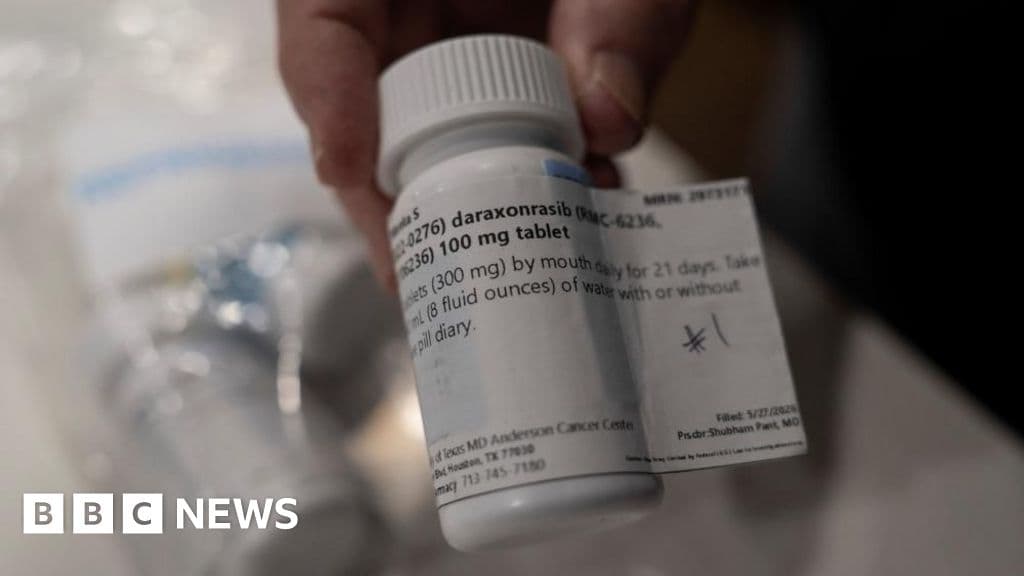
Discover how daraxonrasib, a new pill, is nearly doubling survival rates for pancreatic cancer patients, offering hope in a challenging battle against this deadly disease.
BBC Health
Waste companies propose a £5 deposit on vapes to encourage proper disposal and curb littering as the environmental impact of vapes increases.
BBC Business