

Image: Times of India
Sensex plunges over 1,600 points after the US Fed keeps rates unchanged. What does this mean for investors? Find out more.
GlipzoIn a dramatic turn of events, the Sensex experienced a staggering decline of over 1,600 points, triggering widespread concern among investors and analysts alike. This plunge occurred on October 25, 2023, following the U.S. Federal Reserve's decision to maintain interest rates at their current level. The Fed's announcement sent ripples through global markets, highlighting the interconnectedness of economic policies and their immediate impact on stock prices, especially in emerging markets like India.
The Sensex, which tracks the performance of the Bombay Stock Exchange, closed at 58,000 points, marking a significant drop that has raised alarms over market stability. The Nifty 50, another key index, fell by over 500 points, reflecting the overall bearish sentiment in the market. This unexpected downturn has left many investors questioning the resilience of the Indian stock market amid global economic uncertainties.
The primary catalyst for this sudden decline was the Federal Reserve's decision to keep interest rates unchanged. While this move was intended to support the U.S. economy, it inadvertently led to a sell-off in equities worldwide. Investors fear that prolonged high-interest rates could slow economic growth and corporate profitability, creating a ripple effect that extends far beyond U.S. borders.
Key factors contributing to the Sensex's decline include: - Global Economic Concerns: Investors are wary of a slowing global economy, which could hamper growth prospects for Indian companies. - Rising Inflation: Persistent inflationary pressures in various sectors have raised concerns about consumer spending and corporate margins. - Geopolitical Tensions: Ongoing geopolitical issues have added to the uncertainty, prompting investors to adopt a more cautious approach.
The market's reaction was swift, with many investors scrambling to liquidate their positions. As the BSE and NSE indices fell, the selling pressure intensified across various sectors, particularly in technology, finance, and consumer goods. The banks and financial services sector recorded some of the most significant losses, further amplifying the market's downward trajectory.
Notably, prominent stocks that faced sharp declines included: - Tata Consultancy Services (TCS) - HDFC Bank - Reliance Industries These companies are crucial to the Indian economy, and their performance often serves as a bellwether for broader market trends.
As analysts sift through the implications of the Fed's decision, investors are advised to stay vigilant and consider their strategies moving forward. The current environment calls for a careful reassessment of risk tolerance and portfolio diversification.
Here are some considerations for investors: - Monitor Economic Indicators: Keep an eye on upcoming economic data releases that may affect market sentiment. - Sector Rotation: Consider reallocating investments to sectors that may be more resilient in the face of economic uncertainty. - Look for Value: Identify undervalued stocks that may present buying opportunities in a volatile market.
The recent decline in the Sensex highlights the fragile nature of global markets and the far-reaching impacts of monetary policy decisions made by central banks. For investors, this serves as a reminder of the importance of being informed and agile in response to changing economic conditions. The ability to adapt and make strategic decisions can be the difference between capital preservation and significant losses.
As the market digests the implications of the Fed's decision, investors should prepare for potential volatility in the coming weeks. Analysts will be closely watching how global economic indicators evolve, particularly in the U.S. and Europe, as these will likely influence investor sentiment and market performance. The future trajectory of the Sensex remains uncertain, but one thing is clear: staying informed and proactive will be essential for navigating these turbulent times.
In conclusion, while the Sensex's recent plunge is concerning, it also presents opportunities for astute investors willing to dig deeper into the market dynamics. As always, the key will be to maintain a balanced perspective, focusing on long-term goals while managing short-term risks.
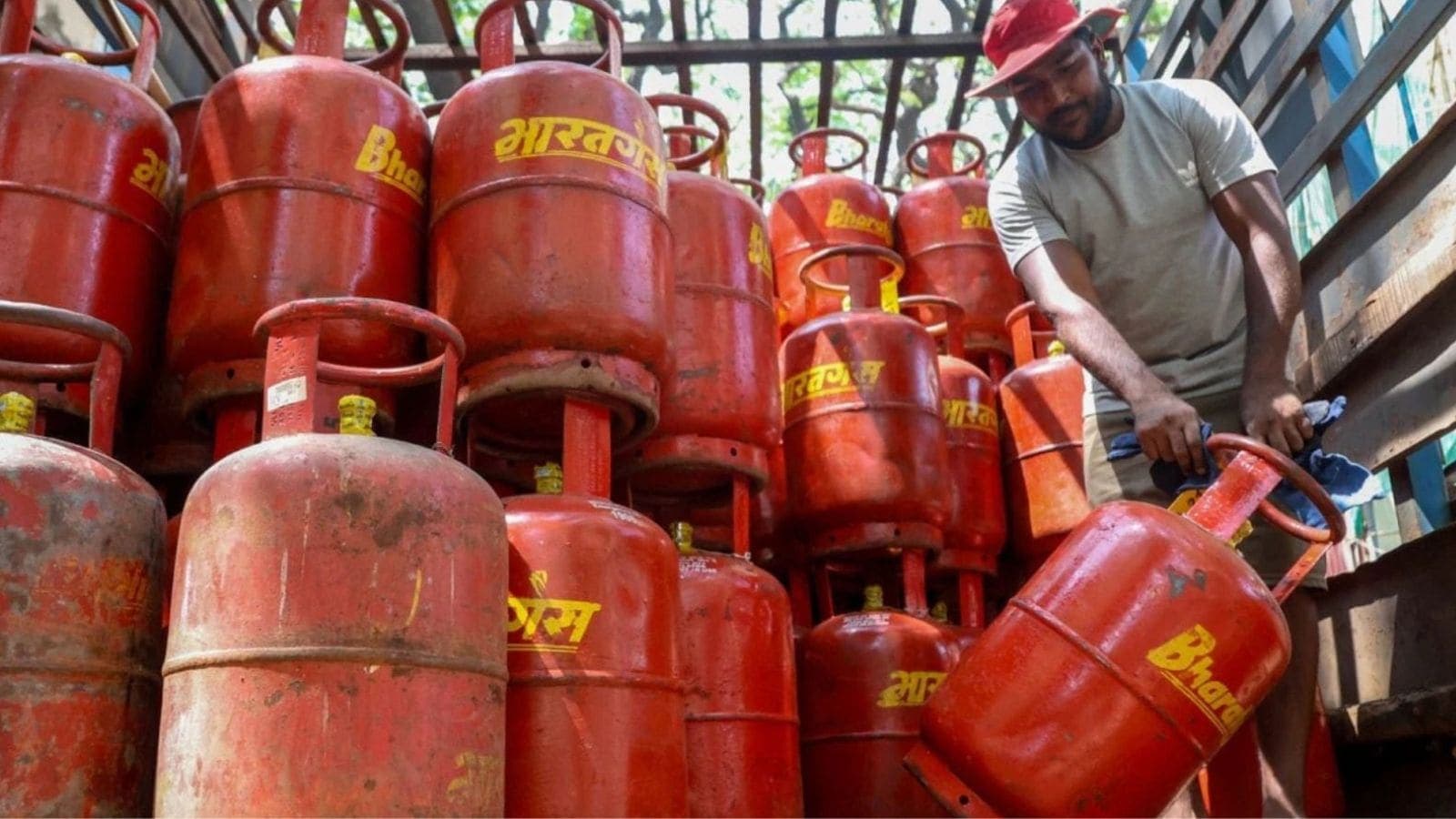
Commercial LPG prices have risen again, with increases of ₹42 in Delhi and ₹53.50 in Kolkata impacting businesses and consumers alike. Find out more.
Indian Express
Discover how a tragic coal mine explosion in Shanxi, China, reveals ongoing safety concerns in the industry amidst a push for green energy.
BBC Business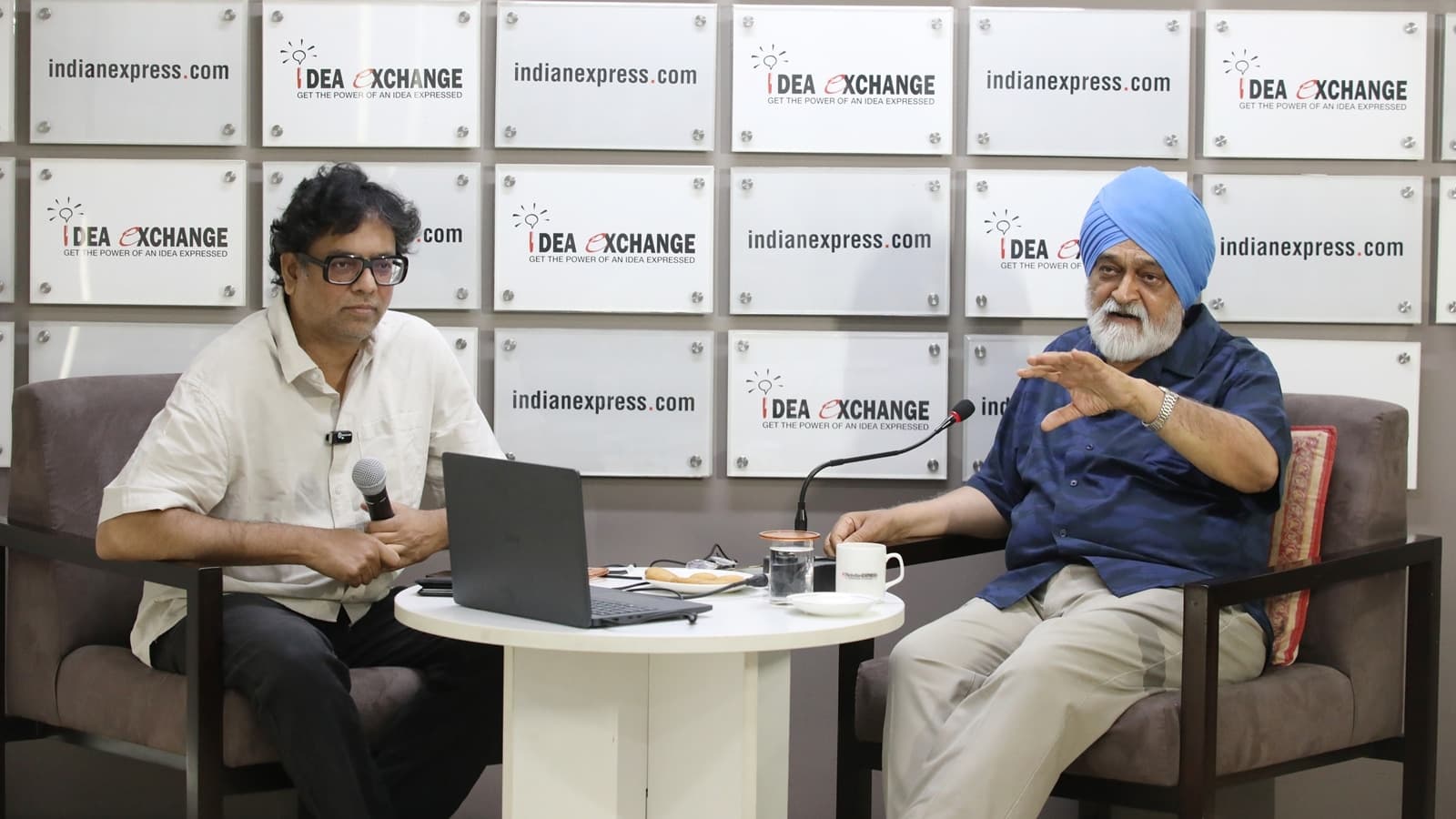
Montek Singh Ahluwalia highlights key economic challenges for India, emphasizing the need for a strategic approach to balance payments and investment.
Indian Express