
Glipzo
WorldTechnologyBusinessSportsEntertainmentScienceHealthPolitics
Glipzo
WorldTechnologyBusinessSportsEntertainmentScienceHealthPolitics
  1. Home
  2. /
  3. Health
  4. /
  5. Shocking Spike: UK Melanoma Cases Hit Record High
Shocking Spike: UK Melanoma Cases Hit Record High

Image: BBC Health

Health
Friday, May 22, 20265 min read

Shocking Spike: UK Melanoma Cases Hit Record High

Record high melanoma cases in the UK raise alarms over sun exposure. Learn how to protect yourself and why awareness is crucial in prevention.

Glipzo News Desk|Source: BBC Health
Share
Glipzo

Key Highlights

  • UK melanoma diagnoses exceed 20,000 for the first time.
  • 90% of melanoma cases thought to be preventable.
  • Public urged to adopt sun safety measures amid rising rates.
  • Personal stories highlight the urgency of early detection.
  • New regulations on sunbed access may be on the horizon.

In this article

  • Record Surge in Melanoma Cases in the UK In a distressing revelation, **new melanoma skin cancer diagnoses** in the UK have surpassed **20,000** for the first time ever. This alarming increase has led health experts and organizations like **Cancer Research UK** to emphasize the crucial need for preventive measures against this deadly form of skin cancer. The root cause of this surge is largely attributed to excessive exposure to **ultraviolet (UV) light** from the sun and tanning beds, which is believed to be responsible for **approximately 90%** of melanoma cases that could have been prevented.
  • The Importance of Sun Safety According to **Michelle Mitchell**, the Chief Executive of Cancer Research UK, the organization is encouraging everyone to adopt safer sun practices. “Take care when the sun is strong by seeking shade, covering up, and applying sunscreen,” she advised. She also stressed the importance of monitoring skin for any unusual changes, urging individuals to consult their GP if they notice anything that stands out, such as new or changing moles, sores that don’t heal, or any abnormal skin areas. Early detection and treatment are vital, as they can significantly improve outcomes, should cancer be present.
  • Rising Awareness and Overdiagnosis Concerns While increased awareness about skin cancer may be contributing to the rise in diagnosed cases, **overdiagnosis**—identifying cancers that are unlikely to cause harm—could also be a factor. This highlights the role that public health education plays in combating skin cancer and the necessity of understanding when medical intervention is truly needed.
  • Personal Stories: The Reality of Melanoma The personal account of **Rebecca Dance**, a mother of two from Berkshire, serves as a poignant reminder of the urgency of skin cancer awareness. Diagnosed with **malignant melanoma** at age 39, she discovered a troubling mole on her back and was swiftly referred to a hospital where it was removed. Now 44, Rebecca credits her early diagnosis and subsequent surgery with saving her life, as the cancer was caught before it had a chance to spread.
  • Recommendations for Sun Safety In light of these rising melanoma cases, Cancer Research UK has outlined essential tips for staying safe in the sun: - **Use sunscreen** with at least **SPF 30** and a high star rating. - **Seek shade** during peak sun hours, typically between **11 AM and 3 PM**. - **Wear protective clothing** such as hats and long sleeves. - Regularly check your skin for changes and consult your GP if you notice anything unusual.
  • Why It Matters The significant rise in melanoma cases is not just a statistic; it reflects a growing public health concern and underscores the need for increased awareness and preventive strategies. The potential for successful early detection can save lives, yet it requires public cooperation and education about the dangers of UV exposure.
  • Looking Ahead: What’s Next? As we move forward, it will be crucial to observe the impact of potential legislative changes regarding sunbed regulations and public health campaigns aimed at raising awareness about skin cancer. The ongoing fight against melanoma will rely on community engagement, awareness programs, and a commitment to sun safety practices—ensuring that no one else has to face the terrifying reality of a skin cancer diagnosis. With collective efforts, the goal is to reverse the trend and protect future generations from the risks of this preventable disease.

Record Surge in Melanoma Cases in the UK In a distressing revelation, **new melanoma skin cancer diagnoses** in the UK have surpassed **20,000** for the first time ever. This alarming increase has led health experts and organizations like **Cancer Research UK** to emphasize the crucial need for preventive measures against this deadly form of skin cancer. The root cause of this surge is largely attributed to excessive exposure to **ultraviolet (UV) light** from the sun and tanning beds, which is believed to be responsible for **approximately 90%** of melanoma cases that could have been prevented.

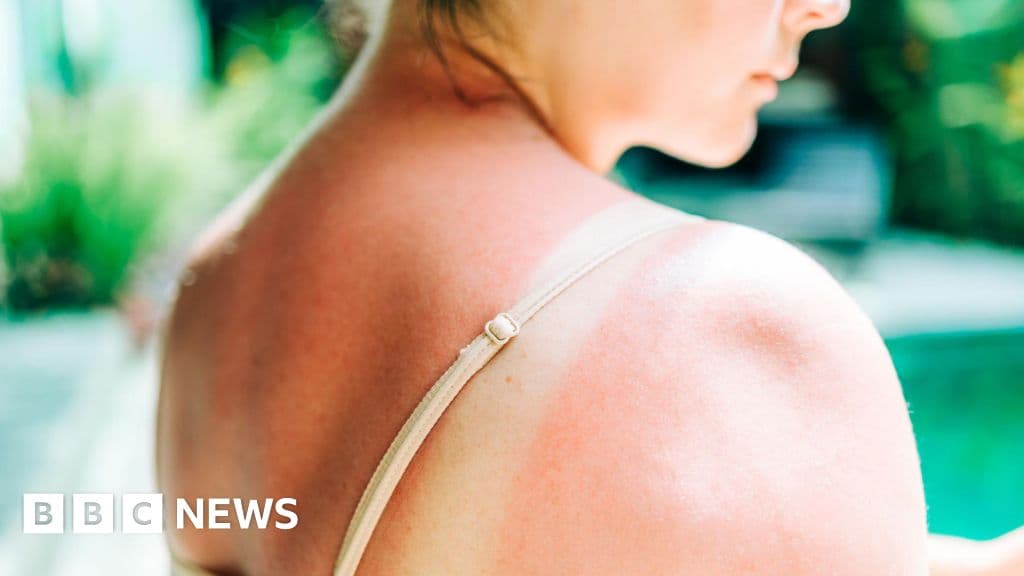
As the UK braces for a potentially sunny bank holiday, health officials are urging the public to take precautions against sun damage. Sunburn serves as a clear indicator of skin damage, but it’s important to note that individuals can sustain harmful effects without visible burning or even a noticeable change in skin tone. This fact is especially crucial for those with darker skin, who may mistakenly believe they are immune to sun-related skin issues.

The Importance of Sun Safety According to **Michelle Mitchell**, the Chief Executive of Cancer Research UK, the organization is encouraging everyone to adopt safer sun practices. “Take care when the sun is strong by seeking shade, covering up, and applying sunscreen,” she advised. She also stressed the importance of monitoring skin for any unusual changes, urging individuals to consult their GP if they notice anything that stands out, such as new or changing moles, sores that don’t heal, or any abnormal skin areas. Early detection and treatment are vital, as they can significantly improve outcomes, should cancer be present.

In 2022, the charity reported a staggering 20,980 new melanoma cases in the UK. This figure marks the highest recorded cases of this dangerous skin cancer, demonstrating a troubling trend. The data reveals that women tend to be diagnosed at younger ages, often due to increased sun exposure practices such as sunbathing and sunbed usage. In contrast, men typically face higher rates of diagnosis later in life, attributed to cumulative sun exposure over the years.

Rising Awareness and Overdiagnosis Concerns While increased awareness about skin cancer may be contributing to the rise in diagnosed cases, **overdiagnosis**—identifying cancers that are unlikely to cause harm—could also be a factor. This highlights the role that public health education plays in combating skin cancer and the necessity of understanding when medical intervention is truly needed.

Despite current regulations prohibiting under-18s from using tanning beds, teenagers have found ways around these restrictions, often utilizing contactless payment systems that bypass necessary age checks. The government is now contemplating new regulations that would enforce mandatory ID checks to prevent minors from accessing these harmful devices.

Sharon Hodgson, the Public Health and Prevention Minister, stated, “Sunbeds cause cancer—and yet children as young as 14 are still accessing them illegally. That is not acceptable.” She emphasized the need for stricter regulations to ensure that anyone using a sunbed is fully aware of the risks involved.

Personal Stories: The Reality of Melanoma The personal account of **Rebecca Dance**, a mother of two from Berkshire, serves as a poignant reminder of the urgency of skin cancer awareness. Diagnosed with **malignant melanoma** at age 39, she discovered a troubling mole on her back and was swiftly referred to a hospital where it was removed. Now 44, Rebecca credits her early diagnosis and subsequent surgery with saving her life, as the cancer was caught before it had a chance to spread.

Reflecting on her experience, she expressed, “My whole life flashed in front of me because I just thought, ‘Oh my God, I’ve got cancer.’ I was in complete shock.” She underscored the misconception that skin cancer only affects those who frequent tanning beds or sunbathe, emphasizing that anyone can be at risk, especially those with lighter skin or a predisposition to moles.

Rebecca advocates for a proactive approach to skin health: “I always look for any changes in my skin and urge others to do the same. Don’t hesitate to speak to your GP if you notice anything unusual.” Her story exemplifies the critical importance of skin monitoring and immediate medical consultation.

Recommendations for Sun Safety In light of these rising melanoma cases, Cancer Research UK has outlined essential tips for staying safe in the sun: - **Use sunscreen** with at least **SPF 30** and a high star rating. - **Seek shade** during peak sun hours, typically between **11 AM and 3 PM**. - **Wear protective clothing** such as hats and long sleeves. - Regularly check your skin for changes and consult your GP if you notice anything unusual.

Why It Matters The significant rise in melanoma cases is not just a statistic; it reflects a growing public health concern and underscores the need for increased awareness and preventive strategies. The potential for successful early detection can save lives, yet it requires public cooperation and education about the dangers of UV exposure.

Looking Ahead: What’s Next? As we move forward, it will be crucial to observe the impact of potential legislative changes regarding sunbed regulations and public health campaigns aimed at raising awareness about skin cancer. The ongoing fight against melanoma will rely on community engagement, awareness programs, and a commitment to sun safety practices—ensuring that no one else has to face the terrifying reality of a skin cancer diagnosis. With collective efforts, the goal is to reverse the trend and protect future generations from the risks of this preventable disease.

Did you find this article useful? Share it!

Share

Related Articles

Shocking Maternity Care Failures at Nottingham NHS Trust Revealed
Health
Jun 1, 2026

Shocking Maternity Care Failures at Nottingham NHS Trust Revealed

Shocking findings from Nottingham's maternity unit reveal a toxic culture and alarming neglect. What can be done to improve care? Discover the details.

BBC Health
Major Breakthrough: Daily Pill Doubles Survival for Pancreatic Cancer
Health
Jun 1, 2026

Major Breakthrough: Daily Pill Doubles Survival for Pancreatic Cancer

Discover how daraxonrasib, a new pill, is nearly doubling survival rates for pancreatic cancer patients, offering hope in a challenging battle against this deadly disease.

BBC Health
Waste Firms Propose £5 Deposit on Vapes to Curb Littering
Health
Jun 1, 2026

Waste Firms Propose £5 Deposit on Vapes to Curb Littering

Waste companies propose a £5 deposit on vapes to encourage proper disposal and curb littering as the environmental impact of vapes increases.

BBC Business

Categories

  • World
  • Technology
  • Business
  • Sports

More

  • Entertainment
  • Science
  • Health
  • Politics

Explore

  • Web Stories
  • About Us
  • Contact

Legal

  • Privacy Policy
  • Terms of Service
  • Disclaimer

© 2026 Glipzo. All rights reserved.