

Image: Times of India
Pakistani state employees face shocking salary cuts of up to 30% due to a severe fuel crisis. Discover the implications and public reaction to this critical decision.
GlipzoIn a startling development that has caught the attention of both local and international observers, state employees in Pakistan are facing salary reductions of up to 30%. This drastic measure is a direct response to the ongoing fuel crisis, which continues to wreak havoc on the country’s economy. The government’s decision to implement these cuts has raised concerns about the welfare of public sector workers, who are already grappling with rising inflation and diminishing purchasing power.
The fuel crisis in Pakistan has been exacerbated by several factors, including global oil price fluctuations, supply chain disruptions, and domestic policy challenges. As the cost of fuel skyrockets, the government struggles to maintain its budget, leading to these painful salary cuts for its employees. This situation has sparked widespread discontent among workers, who are now questioning the sustainability of their livelihoods.
The repercussions of these salary cuts extend beyond the immediate financial strain on state employees. Many fear that such reductions will lead to a decline in morale and productivity within public sector institutions. Furthermore, the public sector is crucial for the functioning of essential services, and any disruption in employee satisfaction could adversely affect service delivery.
Key concerns among public sector employees include: - Reduced disposable income: Lower salaries mean less money available for essentials like food and healthcare. - Increased financial stress: Many employees are now struggling to meet their existing financial obligations, such as loans and utility bills. - Potential for job dissatisfaction: As morale wanes, there is a risk that skilled workers may leave for better opportunities in the private sector or abroad.
The Pakistani government has defended its decision by citing the urgent need to stabilize the economy amidst a fuel supply crisis. Officials argue that the salary cuts are a temporary measure to ensure that the country can navigate through these turbulent economic waters. They emphasize that these cuts will help to preserve jobs in the long term and maintain essential services for the public.
In a statement, a government spokesperson said, "We understand the difficulties our employees are facing, but these measures are necessary for the greater good of the economy. We are committed to restoring salaries once the situation improves."
The announcement of salary cuts has ignited a wave of protests across various parts of the nation. Workers’ unions have organized demonstrations, demanding the government reconsider its decision and provide relief measures instead. They argue that the salary cuts will not only harm employees but will also have a ripple effect on the economy, as reduced spending power leads to decreased consumer demand.
Some protesters have taken to social media, using the hashtag #SaveOurSalaries to rally support and share their experiences. This grassroots movement highlights the growing frustration among citizens who feel the government is not doing enough to address the root causes of the fuel crisis.
Understanding the implications of these salary cuts requires examining the broader economic landscape in Pakistan. With inflation rates soaring and essential commodities becoming increasingly unaffordable, the situation is dire for many families. The fuel crisis, in particular, has a profound impact on transportation costs and the prices of goods and services, exacerbating existing economic challenges.
The government’s ability to effectively address this crisis will be crucial in determining the country’s economic future. Analysts are closely monitoring the situation, as the resolution of this crisis may dictate Pakistan’s economic trajectory in the coming months.
As the situation unfolds, several key factors will determine the future of public sector employees and the broader economy. Observers will be looking for any signs of: - Government intervention: Will the government introduce measures to cushion the impact of salary cuts? - Economic recovery: Can the government stabilize fuel prices and restore confidence among consumers and workers? - Public response: How will the protests evolve, and will they lead to significant changes in government policy?
The coming weeks will be pivotal for both state employees and the nation as a whole. The government's approach to resolving the fuel crisis and addressing employee concerns will likely have lasting implications for public trust and economic stability.
In conclusion, while the immediate future may appear challenging for Pakistani state employees facing salary cuts, the potential for change and recovery remains. As citizens continue to advocate for their rights, it is essential to stay informed and engaged with the evolving narrative of this critical situation.
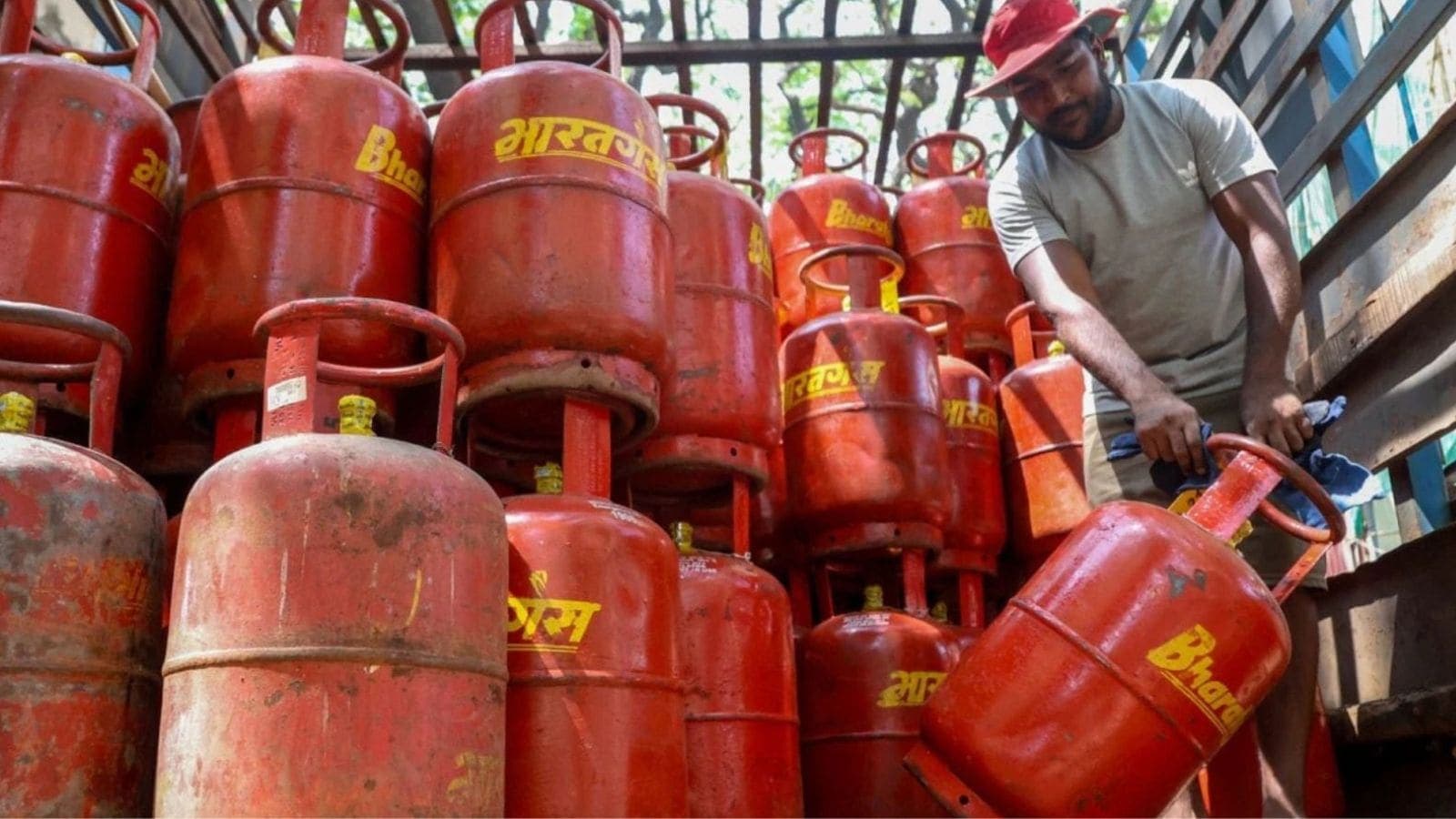
Commercial LPG prices have risen again, with increases of ₹42 in Delhi and ₹53.50 in Kolkata impacting businesses and consumers alike. Find out more.
Indian Express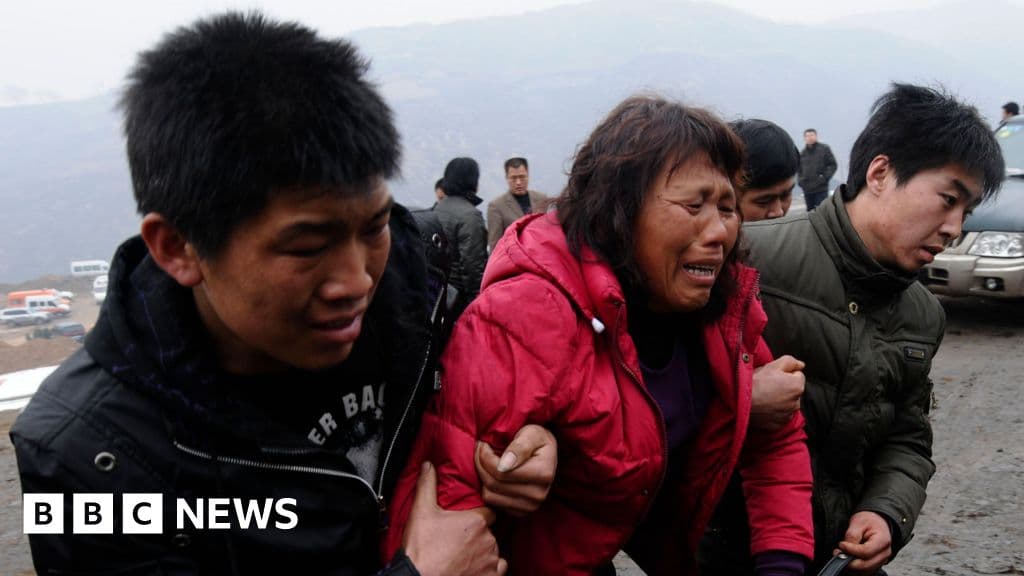
Discover how a tragic coal mine explosion in Shanxi, China, reveals ongoing safety concerns in the industry amidst a push for green energy.
BBC Business
Montek Singh Ahluwalia highlights key economic challenges for India, emphasizing the need for a strategic approach to balance payments and investment.
Indian Express