
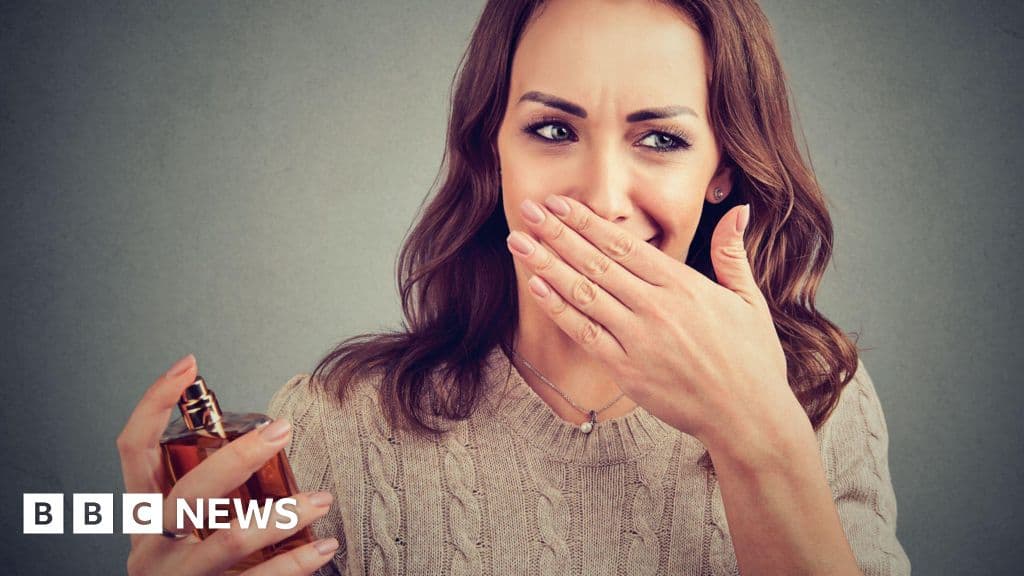
Image: BBC Business
Beware of online bargains! Shocking discoveries reveal counterfeit perfumes containing horse urine and dangerous products flooding the market. Learn more.
GlipzoThe illegal counterfeit trade is rapidly evolving, with organized crime syndicates profiting from the sale of imitation goods. This not only jeopardizes consumer health but also poses significant risks, especially to children. Consumer groups have raised alarms about the prevalence of dangerous items being sold on online platforms, including everything from faulty chargers to contaminated cosmetics.
As financial pressures mount, consumers are increasingly hunting for bargains online. While there are legitimate deals, experts warn that counterfeit products can pose serious health risks. For instance, the Intellectual Property Office (IPO) has noted that cosmetics and perfumes can contain harmful substances, including animal waste.
Helen Barnham, head of enforcement campaigns at the IPO, stated, "Cosmetics and perfume, when we had some tested, have had horse urine in them, so you don't want to be putting that on your skin." This stark warning emphasizes the need for consumers to be vigilant when shopping online.
Consumer advocacy groups continue to warn about the quality and safety of items sold online. Many counterfeit products have not undergone the rigorous safety checks that legitimate retail items must pass. For example, a testing initiative by The Ladder Association found that every extendable telescopic ladder purchased online failed safety inspections, with some posing catastrophic risks.
Inga Becker-Hansen, a product safety policy adviser at the British Retail Consortium, emphasized that while major online platforms are working to remove unsafe goods, the responsibility lies with the entire supply chain—manufacturers, importers, and online sellers alike. Ongoing dialogues around product safety aim to bolster accountability and prevent dangerous items from reaching consumers.
As online shopping grows, it is imperative for consumers to remain vigilant and informed about the risks associated with counterfeit products. The trend toward cheaper alternatives may be tempting, but the potential health hazards associated with these items cannot be overlooked.
Moving forward, consumers should: - Research products before making a purchase. - Be cautious of deals that seem too good to be true. - Report suspicious listings to authorities to help combat the counterfeit trade.
By staying informed and proactive, consumers can contribute to a safer online shopping environment for everyone. The battle against counterfeit goods is far from over, but with continued awareness and legislative support, it is possible to reduce the risks associated with online shopping.
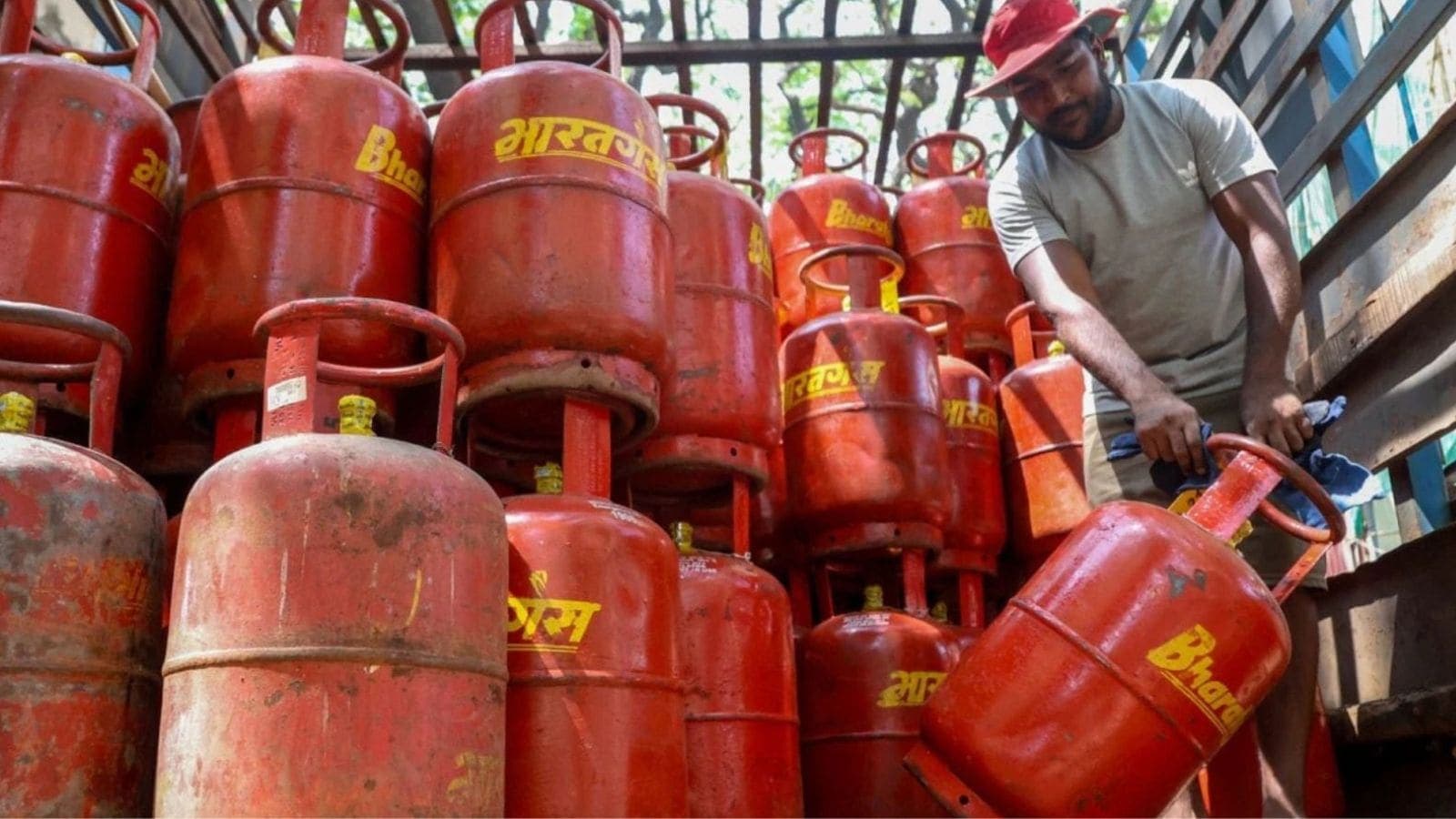
Commercial LPG prices have risen again, with increases of ₹42 in Delhi and ₹53.50 in Kolkata impacting businesses and consumers alike. Find out more.
Indian Express
Discover how a tragic coal mine explosion in Shanxi, China, reveals ongoing safety concerns in the industry amidst a push for green energy.
BBC Business
Montek Singh Ahluwalia highlights key economic challenges for India, emphasizing the need for a strategic approach to balance payments and investment.
Indian Express