

Image: Indian Express
Bihar's alcohol ban has led to a troubling rise in codeine cough syrup abuse, sparking addiction crises among youth. Explore this alarming trend now.
GlipzoAs Bihar approaches a decade of stringent alcohol prohibition, a troubling trend has emerged: the rampant use of codeine cough syrup as an illicit substitute for alcohol. This shift, exacerbated by the ban on alcoholic beverages, has resulted in a surge of addiction cases, particularly among the youth and in rural locales. The situation is alarming, with authorities struggling to combat the burgeoning underground market that has developed in the wake of the prohibition.
Recently, the Directorate of Revenue Intelligence (DRI) made headlines by seizing 7,500 bottles of codeine-based cough syrup from a location near the Rajendranagar Terminal Railway Station in Patna. This incident underscores a larger crisis brewing in the state, where the prohibition of alcohol has not only failed to eliminate substance abuse but has inadvertently led to the rise of new forms of addiction.
Codeine, an opioid derived from morphine, is primarily used as a cough suppressant. It is found in various medications, especially cough syrups, where it acts by inhibiting the cough reflex in the brain. While it is prescribed for severe coughs associated with conditions like bronchitis, it is not intended for common cold treatment.
In therapeutic doses, the recommended amount for adults is typically between 10–20 mg every 4–6 hours, capping at 120 mg daily. However, this medication poses serious risks, particularly to children, who are advised against its use due to the potential for conversion into morphine within their bodies, leading to respiratory complications.
The potential side effects range from drowsiness and dizziness to constipation and nausea. Misuse of codeine can result in severe consequences, including respiratory depression, addiction, and withdrawal symptoms such as anxiety, irritability, and sweating. Notably, when combined with other depressants, the intoxicating effects of codeine can escalate, leading to further health complications.
Since the implementation of the alcohol prohibition policy in 2016, the consumption of codeine cough syrups has dramatically increased, with many former alcohol users pivoting to this easily accessible alternative. The ban was initially aimed at reducing social issues linked to alcohol, such as violence and road accidents, but it has instead catalyzed a different kind of substance abuse crisis.
The appeal of codeine syrups lies in their affordability and the powerful sedative effects they provide. Priced between INR 100-200 per bottle, these syrups have gained popularity, particularly in rural areas where access to alcohol has been curtailed. The shift from alcohol to opioids has introduced new public health challenges, as hospitals report rising cases of addiction and long-term health impacts among the youth.
The misuse of codeine syrups is part of a broader increase in narcotic substance abuse in Bihar. Data reveals that the number of seizures involving codeine syrups has soared since the alcohol ban, climbing from just under 30,000 bottles in 2016 to over 1.17 lakh bottles in 2024. This alarming trend reflects the growing prevalence of drug abuse, with authorities also seizing significant amounts of other narcotics, including doda and smack.
Despite strict regulations and severe penalties—such as life sentences for alcohol-related offenses—the black market for codeine syrup continues to flourish. The Anti-Narcotics Task Force (ANTF) has conducted recent raids that exposed large caches of illicit syrup, often controlled by sophisticated interstate trafficking networks. The situation has stretched local law enforcement thin, as they are forced to redirect resources from combating the illegal liquor trade to address this new wave of substance abuse.
The rise of codeine syrup abuse in Bihar exemplifies the complexities of drug regulation and public health. While the intention of the alcohol ban was to reduce harm, the emergence of codeine as a popular substitute highlights the need for a more nuanced approach to substance abuse prevention.
As authorities grapple with this new challenge, several crucial factors warrant attention: - Public Awareness: Educating the population, particularly youth, about the risks associated with codeine syrup misuse is essential. - Stricter Regulation: Improved oversight of pharmacies and the illegal sale of narcotics must be enforced to curb the black market. - Support Systems: Expanding access to rehabilitation and treatment for addiction is crucial in addressing the ongoing crisis.
As Bihar continues to navigate the complexities of substance abuse in the wake of alcohol prohibition, the state faces a critical juncture. Moving forward, it will be vital for law enforcement and public health officials to collaborate on strategies that effectively address the dual challenges of drug abuse and community health. Monitoring trends in substance use and adapting policies accordingly will be key to fostering a healthier, safer environment for all residents.
In conclusion, the rise of codeine cough syrup as a popular alternative to alcohol serves as a stark reminder of the unintended consequences of prohibition policies. As Bihar confronts this new reality, proactive measures and community engagement will play pivotal roles in reversing the tide of addiction and safeguarding public health.

Shocking findings from Nottingham's maternity unit reveal a toxic culture and alarming neglect. What can be done to improve care? Discover the details.
BBC Health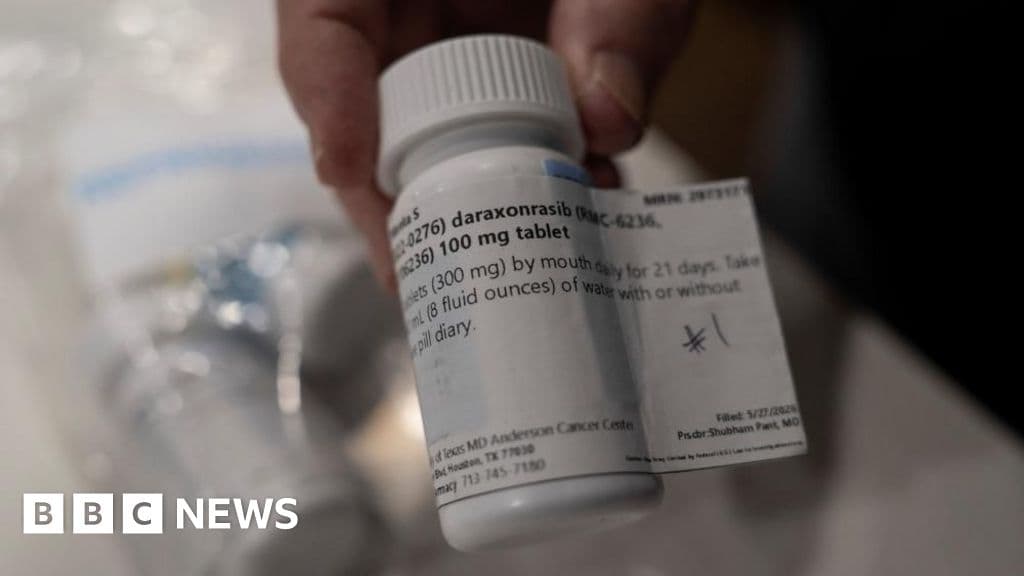
Discover how daraxonrasib, a new pill, is nearly doubling survival rates for pancreatic cancer patients, offering hope in a challenging battle against this deadly disease.
BBC Health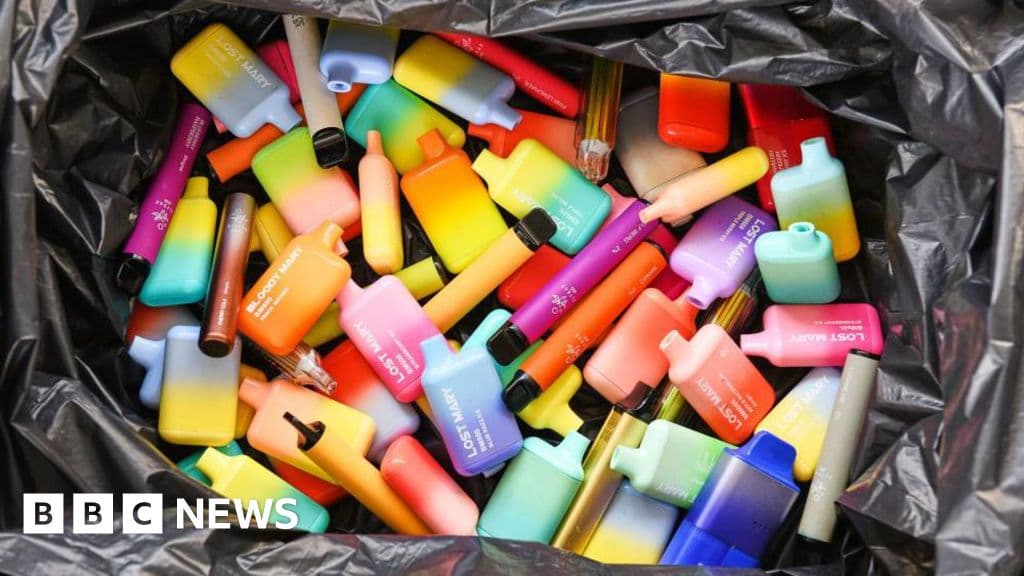
Waste companies propose a £5 deposit on vapes to encourage proper disposal and curb littering as the environmental impact of vapes increases.
BBC Business