

Image: BBC Health
A shocking new study reveals 11 types of cancers are rising in young people in England. Experts share insights and prevention tips—learn more.
GlipzoRecent research from The Institute of Cancer Research and Imperial College London has uncovered a distressing trend: eleven types of cancer are increasingly affecting young people in England. This comprehensive analysis highlights a significant uptick in cancer diagnoses among individuals in their late teens to early 40s, raising urgent questions about the underlying causes.
Despite extensive research, scientists are still piecing together the reasons behind this increase. While the complete picture remains unclear, a long-term surge in overweight and obesity appears to play a contributory role, although it does not account for the entirety of the situation. Importantly, experts emphasize that cancer in this demographic remains relatively rare, and adopting a healthy lifestyle can mitigate risks.
One poignant case is that of Bradley Coombes, a vibrant 23-year-old from Portsmouth who tragically lost his life to bowel cancer. His mother, Caroline Mousdale, recounted how Bradley exhibited numerous “red flag” symptoms, yet medical professionals often dismissed his condition, attributing it to his age.
Caroline described Bradley as “a really fit and healthy young man,” on the verge of signing a semi-professional football contract. Unfortunately, after his first year at university, he began experiencing significant weight loss, abdominal pain, and alarming gastrointestinal symptoms. It took 18 months for him to receive a proper diagnosis, by which time his cancer had become advanced, leading to a heartbreaking loss for his family.
The investigative team analyzed national cancer trends alongside lifestyle behaviors linked to increased cancer risk. They found that, along with bowel cancer, other cancers such as thyroid, multiple myeloma, liver, kidney, gallbladder, pancreatic, endometrial, mouth, breast, and ovarian cancers are also on the rise among young individuals.
Interestingly, the study indicated that common risk factors like smoking, alcohol consumption, and levels of physical activity are either improving or remaining stable. This suggests that these behaviors alone cannot explain the increase in cancer cases.
The correlation between excess weight and cancer development is complex but crucial. Additional body fat can alter hormone levels, including insulin, which is known to influence cancer risk. However, the researchers cautioned that while excess weight may explain some cases, it does not account for all. For instance, in bowel cancer, it is estimated that only 20 out of every 100 new cases may be linked to obesity, leaving a staggering 80 cases unaccounted for.
Prof. Montserrat García Closas from The Institute of Cancer Research expressed deep concern over the rising cancer rates in young people. She stated, “It is very worrisome to hear the news that cancers are increasing in young people. However, there are things that can be done to reduce the risk of cancer by having a healthy lifestyle.”
Despite the troubling data, it's essential to note that cancer remains overwhelmingly more prevalent in older age groups. The research indicates that only 1 in 1,000 young people aged 20-40 receive a cancer diagnosis each year, compared to 1 in 100 for older individuals in their 50s, 60s, and 70s. This statistic underscores the rarity of cancer in young populations, even as the numbers rise.
The researchers continue to search for additional risk factors that may explain the increasing rates of cancer in younger adults. Prof. Marc Gunter from Imperial College London advocates for ongoing research into these trends to uncover potentially unknown influences.
Understanding the rising incidence of cancer in young people is vital for public health. The insights gained from this study can inform preventive strategies and healthcare policies aimed at reducing risk factors associated with cancer.
With nearly 40% of cancers worldwide potentially preventable through lifestyle changes, the emphasis on adopting healthier habits cannot be overstated. Simple measures such as maintaining a healthy weight, engaging in regular physical activity, and avoiding smoking can play a significant role in reducing cancer risk.
As the research community continues to unravel the complex relationship between rising cancer rates and lifestyle factors, it is critical for individuals, families, and policymakers to prioritize health education and preventive health measures.
In the coming years, further studies will likely aim to clarify the elusive reasons behind these rising trends and seek to implement effective interventions. It is crucial to remain vigilant and proactive in addressing this public health challenge, ensuring that the next generation has the tools and knowledge necessary to lead healthier lives.
In conclusion, while the increase in cancer diagnoses among young individuals is concerning, awareness and informed lifestyle choices can make a significant difference in mitigating these trends.

Shocking findings from Nottingham's maternity unit reveal a toxic culture and alarming neglect. What can be done to improve care? Discover the details.
BBC Health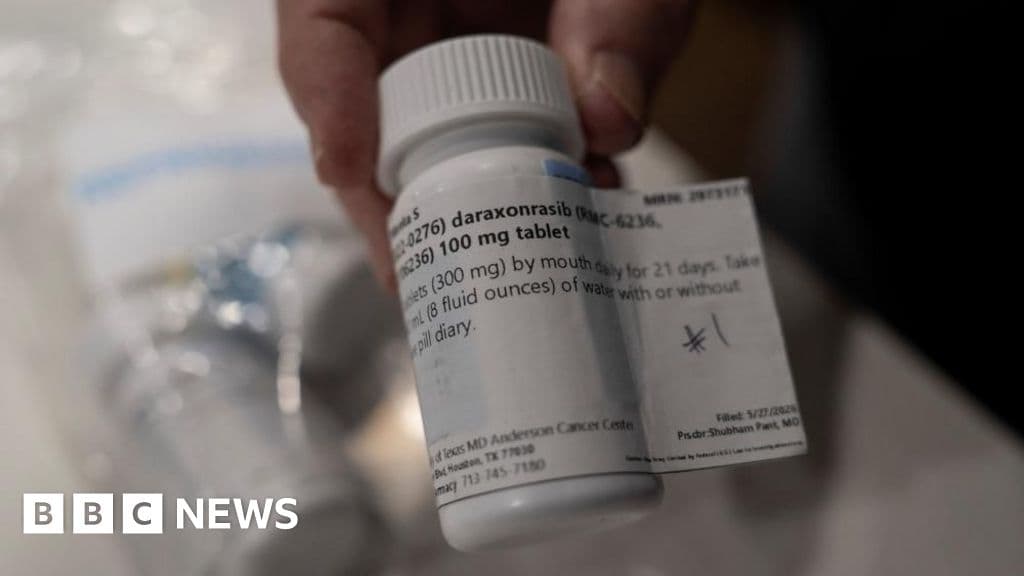
Discover how daraxonrasib, a new pill, is nearly doubling survival rates for pancreatic cancer patients, offering hope in a challenging battle against this deadly disease.
BBC Health
Waste companies propose a £5 deposit on vapes to encourage proper disposal and curb littering as the environmental impact of vapes increases.
BBC Business