
Image: BBC Health
England sees a surge in spider bite hospital admissions. Is the noble false widow spider really dangerous? Find out the facts and what to watch for.
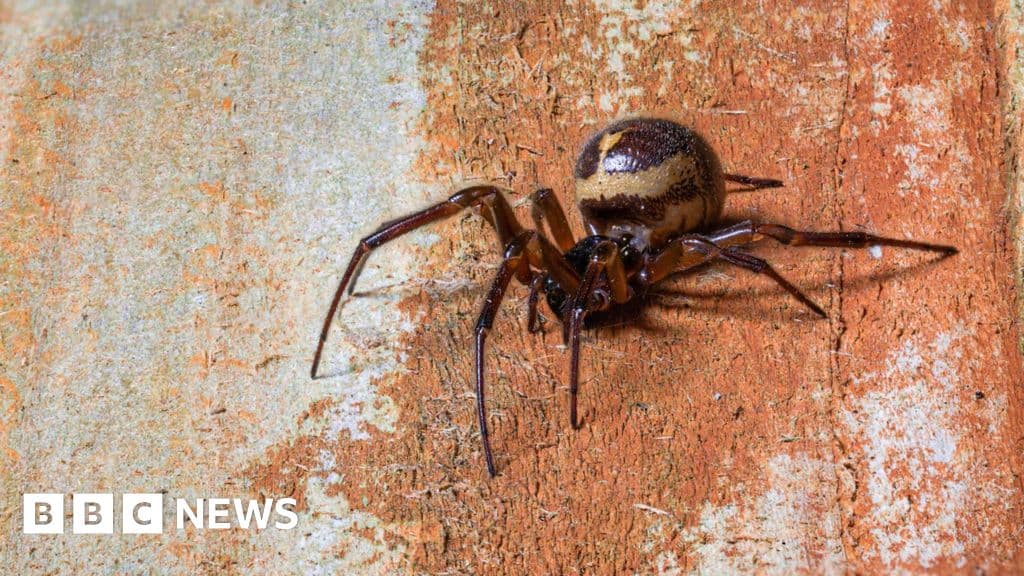
GlipzoIn a startling trend, England has seen a significant uptick in hospital admissions due to spider bites, with figures showing a dramatic rise over the past decade. According to recent data obtained through a freedom of information request by the Press Association, there were 100 hospital admissions related to spider bites in 2025, a notable increase from just 47 in 2015. This surge has raised eyebrows and sparked concerns among health experts and the public alike, particularly regarding the noble false widow spider, which is now being dubbed as "the most dangerous spider breeding in Britain."
While spider bites may seem trivial to some, the implications of this rise in hospital visits cannot be dismissed. Experts attribute the increase largely to the expanding population of the noble false widow spider, whose presence has become more pronounced in southern England. This spider, which originally hails from Madeira and the Canary Islands, was first documented in the UK in 1879. It is characterized by its distinctive pale markings, often likened to a skull shape, making it relatively easy to identify.
The noble false widow spider is not typically aggressive, according to the charity Buglife, which emphasizes that serious health issues or fatalities from their bites are virtually unheard of. However, in rare instances, a bite can lead to pain, swelling, and discomfort.
To give some context, NHS statistics reveal a concerning trend: hospital admissions due to spider bites increased from 43 in 2021 to 95 in 2022, with the numbers stabilizing around 91 in 2023 and 2024. The most recent data shows 73 of the 100 admissions last year were from A&E departments, compared to 38 in 2015. This suggests that more individuals are seeking medical attention for spider bites than in previous years.
Experts like Clive Hambler, a lecturer at the University of Oxford, have pointed out that the increase in spider bite incidents is primarily linked to the burgeoning population of the noble false widow. Hambler remarked that fifty years ago, spider bites had minimal consequences in Britain. As the false widow population has exploded, particularly in southern regions, the likelihood of bites has followed suit.
However, there are additional factors contributing to the rising hospitalizations. For instance: - Increased Awareness: Medical professionals are becoming more knowledgeable about spider bites, prompting more people to seek treatment. - Growing Population: A larger population in the UK could lead to more interactions between humans and spiders. - Media Coverage: Heightened media attention on false widow spiders may have led individuals to believe they have been bitten by these spiders when they might not have been.
Spider bites can manifest as small puncture wounds on the skin, often accompanied by pain, redness, and swelling. For those who experience a bite, the recommended first-aid measures include: - Applying an ice pack wrapped in cloth for at least 20 minutes to alleviate swelling. - Keeping the affected area elevated if possible. - Taking over-the-counter pain relief medications such as paracetamol or ibuprofen for discomfort.
Despite the discomfort caused by noble false widow bites, Professor David Lalloo from the Liverpool School of Tropical Medicine reassures that these bites are generally not dangerous. While individuals may feel unwell for a day following a bite, severe reactions are exceedingly rare.
The noble false widow spider does inject a toxin upon biting, which can lead to localized pain and minor swelling. However, the insect conservation charity Buglife has clarified that these bites do not lead to severe infections like gangrene, which can occur due to bacterial contamination from other sources. Notably, there are no recorded incidences of death, coma, or permanent injury linked to the noble false widow.
Interestingly, female noble false widow spiders are characterized by their sluggish and non-aggressive nature. They are unlikely to approach humans and will not jump or run at individuals, which further underscores the misconception surrounding their danger.
The rising trend in spider bites prompts several questions regarding public health awareness and the ecological dynamics of spider populations in the UK. Moving forward, it will be essential to monitor the noble false widow population and its impact on public health. Here are a few key areas to consider: - Public Education: Continued education about identifying spiders and understanding the true risks associated with bites may reduce unnecessary panic and hospital visits. - Research Initiatives: More studies may be needed to further understand the behavior and ecological role of the noble false widow in the UK. - Health Monitoring: Keeping track of hospital admissions related to spider bites can provide valuable data on the effectiveness of public health measures and awareness campaigns.
As public awareness grows and the noble false widow spider continues to thrive in the UK, understanding these creatures and their potential impact on human health will be crucial. The conversation surrounding spider bites is likely to evolve, making it imperative for both the public and health professionals to stay informed and proactive in addressing this emerging concern.

Shocking findings from Nottingham's maternity unit reveal a toxic culture and alarming neglect. What can be done to improve care? Discover the details.
BBC Health
Discover how daraxonrasib, a new pill, is nearly doubling survival rates for pancreatic cancer patients, offering hope in a challenging battle against this deadly disease.
BBC Health
Waste companies propose a £5 deposit on vapes to encourage proper disposal and curb littering as the environmental impact of vapes increases.
BBC Business