

Image: Times of India
The Harish Rana case revives Aruna Shanbaug's fight for dignity in death. Understand the implications of passive euthanasia in India today.
GlipzoIn a country where the debate around euthanasia has become increasingly prominent, the Harish Rana case has reignited discussions surrounding passive euthanasia and the rights of individuals in end-of-life scenarios. This conversation is not just theoretical; it brings to light the real-life consequences faced by individuals like Aruna Shanbaug, who has been at the center of the euthanasia debate since her tragic incident in 1973.
Aruna Shanbaug, a former nurse, was left in a vegetative state for over four decades after a brutal assault. Her case has become emblematic of the struggle for dignity in death, raising profound ethical questions about how society views life, care, and the right to die. In 2011, the Supreme Court of India recognized the concept of passive euthanasia, allowing for the withdrawal of life support under specified circumstances, yet the path to accessing this right remains fraught with legal and moral complexities.
Euthanasia, especially passive euthanasia, is a contentious issue in India. While the legal framework has evolved to allow certain forms of passive euthanasia, many are still unaware of their rights in this context. The Supreme Court's landmark judgment in 2018 reaffirmed the right to die with dignity, yet implementation remains inconsistent across states and healthcare facilities. This inconsistency brings to light the question: How can individuals access these rights effectively?
The re-examination of the Harish Rana case has stirred emotions and reignited the public discourse on euthanasia, especially in relation to Aruna’s plight. Rana's situation involved a protracted legal battle for his right to die, raising vital questions about the autonomy individuals have over their own lives and deaths. This case not only highlights the legal complexities of euthanasia but also emphasizes the urgent need for comprehensive legislation that protects the rights of individuals like Aruna Shanbaug.
As the discussion unfolds, it’s crucial to reflect on how society has failed individuals like Aruna. Many still remember the words of Abhishek Mishra, a Digital Content Producer at The Times of India, who poignantly stated, "But as a nation, we must remember that we gave her nothing. We let Aruna down." This reflection serves as a reminder that the fight for dignity in death is far from over.
For families facing the decision of whether to pursue passive euthanasia, the emotional toll is immense. The legal and ethical implications often lead to feelings of isolation and despair. Many families struggle with the moral weight of deciding when to let a loved one go, which can be exacerbated by societal pressures and differing opinions within the family.
Some of the key emotional challenges include: - Guilt: Family members may feel guilt about making a choice that could be perceived as hastening a loved one's death. - Fear of judgment: Concerns about societal perceptions can lead to additional stress and confusion. - Lack of support: Many families feel unsupported in their decision-making process, which can lead to further emotional distress.
As India grapples with the complexities of euthanasia, the road ahead necessitates a robust legal framework that respects individual rights while ensuring ethical standards are upheld. Policymakers and legal experts must collaborate to craft legislation that provides clear guidelines for passive euthanasia, protecting both the patients and healthcare providers involved.
Looking forward, it is essential to monitor the following developments: - Legislative advancements: Watch for any movements in Parliament regarding the formalization of euthanasia laws. - Public opinion: Increasing awareness and advocacy may shift societal views, potentially influencing policy changes. - Legal precedents: Future court rulings could shape the landscape of euthanasia rights in India, either expanding or limiting access based on emerging cases.
The ongoing discussions around passive euthanasia and cases like Harish Rana’s and Aruna Shanbaug’s highlight the critical intersection of healthcare, ethics, and human rights in India. As society continues to evolve, so too must our understanding of life, dignity, and the rights of individuals facing terminal conditions. The fight for dignity in death is not merely a legal battle; it is a deeply human one that affects countless families across the nation.
In conclusion, as we reflect on the past and the struggles of individuals like Aruna Shanbaug, we must advocate for greater awareness, compassion, and legal clarity surrounding euthanasia. Only then can we ensure that no one is left behind in their final moments, and that everyone has the right to a dignified end.
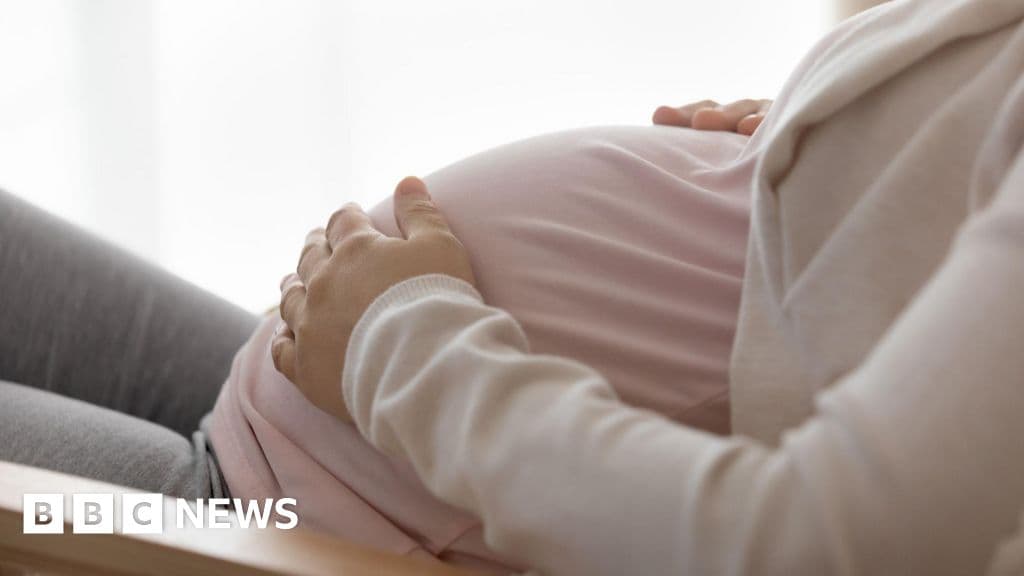
Shocking findings from Nottingham's maternity unit reveal a toxic culture and alarming neglect. What can be done to improve care? Discover the details.
BBC Health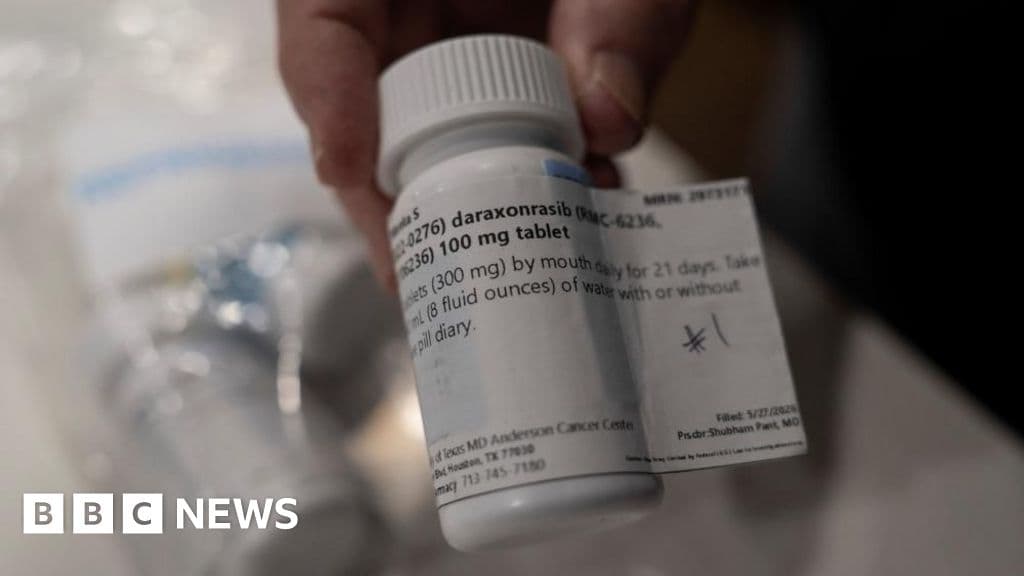
Discover how daraxonrasib, a new pill, is nearly doubling survival rates for pancreatic cancer patients, offering hope in a challenging battle against this deadly disease.
BBC Health
Waste companies propose a £5 deposit on vapes to encourage proper disposal and curb littering as the environmental impact of vapes increases.
BBC Business