
Image: Mint (Business)
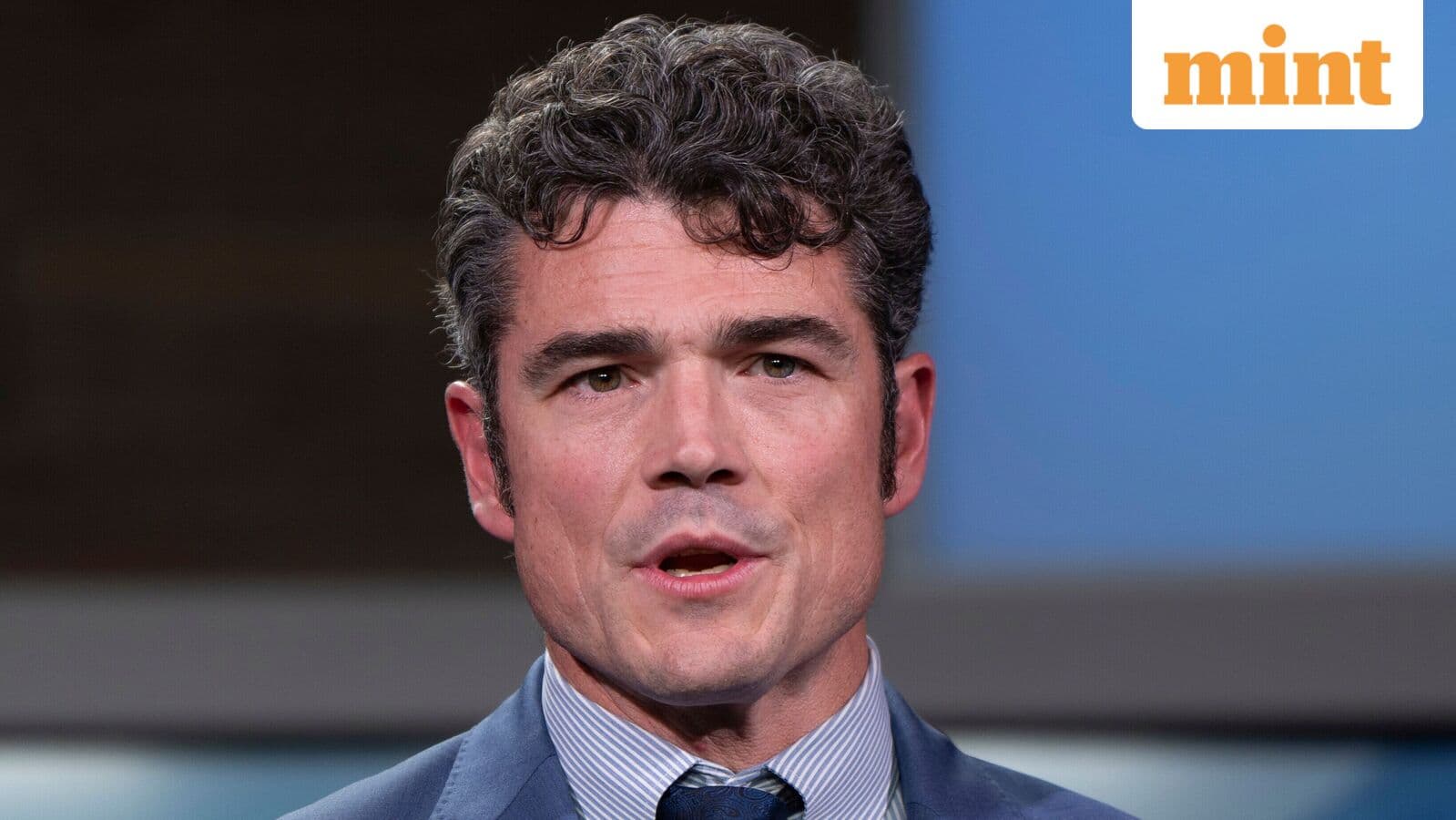
Joe Kent resigns as Trump's counterterrorism chief, claiming Iran poses no threat. His departure reveals significant dissent within the administration over military actions.
GlipzoIn a surprising turn of events, Joe Kent, the prominent counterterrorism official under Donald Trump, has announced his resignation, citing strong objections to the recent military actions against Iran. His departure marks a significant moment within the Trump administration, revealing internal dissent regarding foreign policy and military engagements. Kent's resignation comes amid escalating tensions in the Middle East, raising questions about the administration's motivations and strategies.
Before his tenure as the Director of the National Counterterrorism Center (NCTC), Joe Kent had a decorated career in the military and intelligence sectors. As a Green Beret, he completed 11 deployments, showcasing his commitment to national security. Following his military service, he transitioned to the CIA, where he continued to work in intelligence roles.
Despite his significant experience, Kent's political aspirations led him to run for Congress twice in Washington, although those campaigns were unsuccessful. His expertise in counterterrorism made him a key figure in the Trump administration, where he was responsible for overseeing the analysis and detection of terrorist threats. However, his recent resignation highlights a divergence in views on U.S. involvement in the Middle East.
Joe Kent's resignation was not just a personal decision; it was accompanied by a powerful statement that questioned the rationale behind the U.S. military actions in Iran. In a post shared on social media platform X, he stated, "After much reflection, I have decided to resign from my position as Director of the National Counterterrorism Center, effective today. I cannot in good conscience support the ongoing war in Iran. Iran posed no imminent threat to our nation, and it is clear that we started this war due to pressure from Israel and its powerful American lobby."
His resignation letter outlined several serious allegations, including claims that the war was fueled by misinformation campaigns orchestrated by both Israeli officials and prominent American media figures. Kent articulated his belief that such campaigns created a false narrative suggesting that Iran was an imminent threat, echoing similar tactics used to justify the tragic U.S. invasion of Iraq.
Kent's departure raises substantial concerns regarding the direction of U.S. foreign policy. His statements suggest that there is a significant divide within the administration on how to handle relations with Iran and military interventions in the region. The implications of such dissent could lead to broader discussions about accountability and transparency in government decision-making processes.
As the Trump administration navigates these allegations and the fallout from Kent's resignation, the future of U.S. involvement in the Middle East remains uncertain. Observers will be watching closely to see how this internal dissent influences policy decisions moving forward.
The administration may face increased scrutiny regarding its military strategy and the underlying motivations for engaging in conflicts abroad. Additionally, Kent's resignation could embolden other officials within the government to voice their dissent, potentially leading to further resignations or shifts in policy.
Joe Kent's resignation serves as a critical reminder of the complexities surrounding U.S. foreign policy, particularly in conflict-prone regions like the Middle East. As the administration grapples with these challenges, it is essential for policymakers to reflect on the long-term consequences of military engagement and the narratives that shape public perception.
In the coming weeks, it will be vital for the Trump administration to address the concerns raised by Kent and consider the broader implications of its actions. The relationship with Iran, influenced by both domestic and international pressures, will undoubtedly remain a focal point in discussions about America's role on the global stage.

Tensions soar as the US and Iran engage in air strikes near the Strait of Hormuz, raising concerns over global oil supply and regional stability.
BBC World
Trump's international interventions face serious stalemates. What will this mean for U.S. foreign policy? Explore the critical challenges ahead.
Indian Express
Tehran denies resignation of President Masoud Pezeshkian amid claims of IRGC influence. What does this mean for Iran's political stability? Click to learn more!
Indian Express