
Image: BBC World
British Army medics parachuted onto Tristan da Cunha to aid a Briton with suspected hantavirus. Learn about this extraordinary rescue mission and its implications.
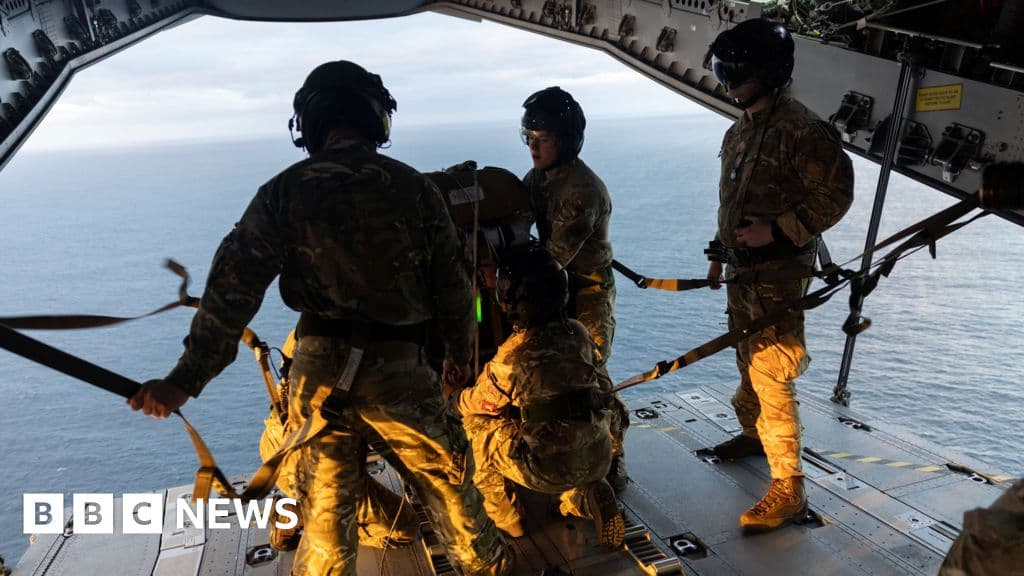
GlipzoIn a dramatic and unprecedented operation, British Army medics have parachuted onto the isolated island of Tristan da Cunha to assist a British national suffering from suspected hantavirus. This remarkable event unfolds in one of the most remote inhabited places on Earth, located in the South Atlantic Ocean, and underscores the commitment of the UK to protect its citizens even in the most challenging situations.
The incident began when the individual disembarked from the MV Hondius, a cruise ship that has been grappling with a hantavirus outbreak. After leaving the ship in mid-April, he began exhibiting symptoms two weeks later, prompting urgent medical intervention. As of now, he is reportedly in a stable condition while isolating on the island, but the situation has raised serious concerns. Six confirmed cases of the virus have emerged, including two other Britons who are currently receiving treatment off the cruise vessel.
The urgency of the mission was further amplified by reports that oxygen supplies on Tristan da Cunha were at a critical level. In response, the Ministry of Defence (MoD) coordinated an air drop of oxygen from an RAF A400M transport aircraft on Saturday. This measure was crucial for the wellbeing of the island's residents, most of whom rely on the limited supplies available to them.
As the situation escalated, the MV Hondius made its way to Tenerife, where over 100 passengers are being assisted to disembark and prepare for repatriation. Tragically, the ongoing outbreak has claimed the lives of three individuals, including two confirmed cases of hantavirus. This underscores the seriousness of the health crisis at hand.
Hantavirus is a group of viruses primarily transmitted by rodents, with most strains not easily passed between humans. However, the Andes strain, which has been identified in several passengers from the Dutch cruise ship, can spread from person to person, complicating the situation significantly.
The British national, who lives on Tristan da Cunha, disembarked from the MV Hondius on April 14. By April 28, he reported symptoms including diarrhea and fever just two days later. His isolation and condition highlight the ongoing health risks faced by those who have been in contact with the virus.
In a highly coordinated operation, a team of six paratroopers and two medical professionals from the 16 Air Assault Brigade parachuted onto the island. The operation was particularly challenging due to high winds and the small size of the landing area. The average wind speed over the island often exceeds 25 mph (40 km/h), making the jump a risky endeavor.
Brigadier Ed Cartwright, who commanded the operation, explained that the paratroopers deployed from an aircraft flying at about 5 km (3.1 miles) above the ocean. Their descent required precise maneuvering to navigate the winds and ensure a safe landing on the island, which they achieved successfully on a local golf course. The MoD noted that this was the first instance of UK military personnel being parachuted into a humanitarian mission, marking a significant step in military aid protocols.
In addition to providing immediate medical support, the operation delivered 3.3 tonnes (3,300 kg) of medical supplies to the island's hospital, demonstrating a comprehensive approach to addressing the health crisis. Brig Cartwright emphasized that this mission was not solely focused on the individual suspected of having hantavirus but also aimed to support all residents, particularly those who may have been exposed to the virus.
Foreign Secretary Yvette Cooper lauded the operation, stating, "This extraordinary operation reflects our unwavering commitment to the people of our overseas territories and to British nationals, wherever they are. The safety and well-being of all members of the British family is our number one priority."
Minister for the Armed Forces Al Carns praised the military personnel involved, acknowledging the difficult circumstances under which they operated and commending their professionalism and composure.
As the situation on Tristan da Cunha continues to develop, there are several critical factors to monitor. Health officials will be focusing on testing and monitoring the island's population to prevent further spread of the hantavirus. Additionally, the ongoing repatriation of passengers from the MV Hondius will require careful handling to ensure that those returning to the UK are safe and healthy.
The unique challenges faced by Tristan da Cunha, including its geographical isolation and limited medical resources, highlight the importance of swift and effective emergency responses. As authorities continue to manage this health crisis, the successful parachute operation stands as a testament to the commitment of the UK military in safeguarding its citizens, no matter the distance.
In conclusion, the unfolding events on Tristan da Cunha serve as a reminder of the vulnerabilities faced by remote communities and the critical importance of preparedness in the face of health emergencies. The world will be watching closely as the situation evolves, particularly regarding the health of the island's residents and the ongoing efforts to combat the hantavirus outbreak.
Shocking findings from Nottingham's maternity unit reveal a toxic culture and alarming neglect. What can be done to improve care? Discover the details.
BBC Health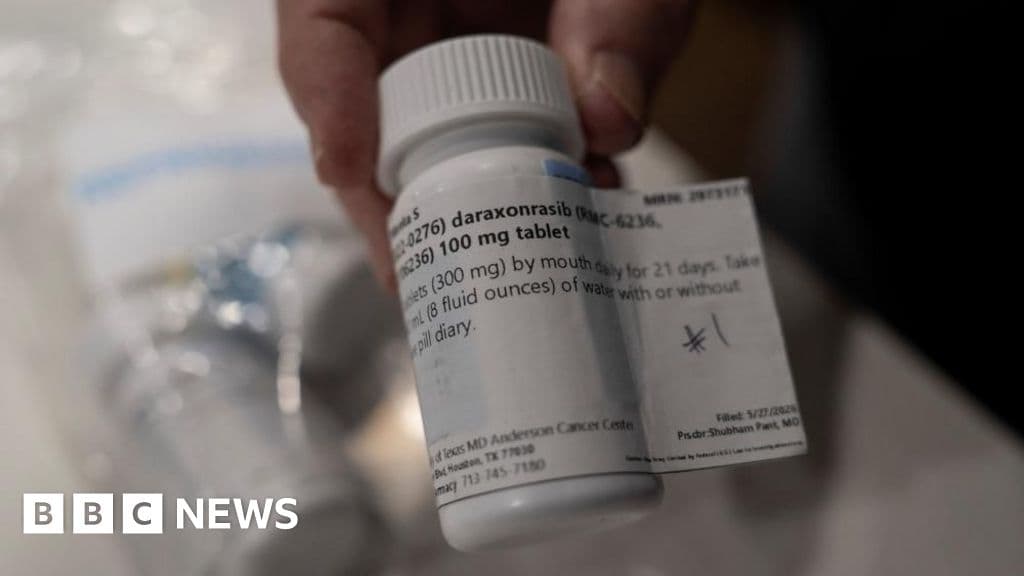
Discover how daraxonrasib, a new pill, is nearly doubling survival rates for pancreatic cancer patients, offering hope in a challenging battle against this deadly disease.
BBC Health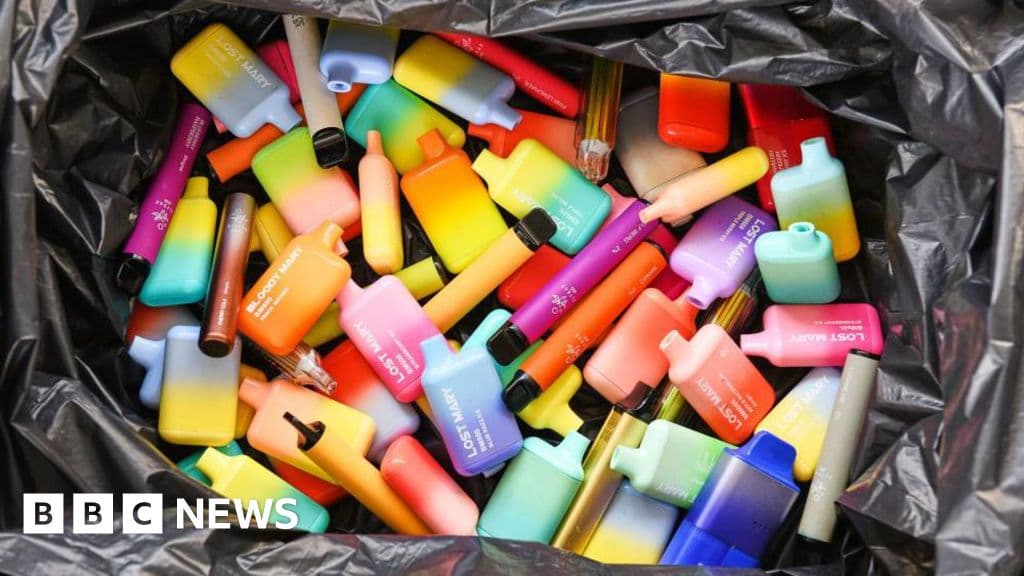
Waste companies propose a £5 deposit on vapes to encourage proper disposal and curb littering as the environmental impact of vapes increases.
BBC Business