

Image: BBC Health
A shocking report reveals that breakthrough Alzheimer's drugs may not offer meaningful benefits, raising ethical concerns about patient care and costs.
GlipzoA recent analysis has cast a critical shadow over what were once hailed as breakthrough Alzheimer’s therapies. Researchers indicate that the long-touted drugs, designed to combat Alzheimer’s disease by targeting the beta amyloid that accumulates in the brain, may not provide the substantial benefits that many had hoped for. This unsettling revelation comes from a comprehensive review conducted by the Cochrane Collaboration, a group renowned for its rigorous medical evaluations.
The report highlights that while the drugs may indeed slow the progression of Alzheimer’s, the degree of this slowdown is deemed insufficient to significantly enhance the quality of life for patients. This finding raises important questions about the value of these treatments, especially considering the staggering costs involved. In the UK, for instance, an 18-month course can reach an eye-watering £90,000, a sum that is largely prohibitive for many families.
For years, the medical community has grappled with the challenges of effectively treating Alzheimer’s disease. The drugs in question, donanemab and lecanemab, work by utilizing engineered antibodies to clear the sticky beta amyloid plaques from the brain's surface. This approach, which mimics the body’s natural immune response to infections, had previously yielded disappointing outcomes until these recent trials.
The Cochrane report analyzed data from 17 studies involving over 20,000 participants, concluding that while the amyloid-targeting strategy does have some merit in slowing cognitive decline, the results fall short of providing a meaningful impact on patients’ daily lives. Compounding the issue, the treatments carry significant risks, including potential brain swelling and bleeding, and require administration every two to four weeks, which adds to the burden.
Leading neurologist Prof Edo Richard, one of the report's authors from Radboud University Medical Centre, has expressed his concerns openly. He emphasizes the importance of transparency, stating, “I would tell my patients that they probably will not benefit from these drugs, and they can be burdensome for you and your family.” His perspective underscores a critical ethical consideration in the medical field: honesty about treatment expectations.
In stark contrast, some researchers have vehemently opposed the findings of the Cochrane report. Prof Bart De Strooper from the UK Dementia Research Institute argues that the analysis lacks nuance, suggesting that it unfairly amalgamates older drug trials with newer, promising ones. He asserts that “many early programs failed, but newer antibodies have delivered modest yet real clinical benefit.” This divide within the scientific community highlights the ongoing debate about the efficacy of these Alzheimer’s treatments.
The backlash against the report's conclusions is not limited to the academic community. David Essam, an 81-year-old participant in the lecanemab trials, shares a poignant story that reflects the complex emotions surrounding these drugs. After his Alzheimer’s diagnosis forced him to abandon his career, he and his wife Cheryl remain hopeful that the treatment extended his cognitive abilities. Cheryl voiced her sentiment, saying, “Maybe I’m naive, but I feel he has kept going longer.” Despite the report’s findings, she maintains that the drug has provided both her and David with more precious time together.
The ongoing controversy surrounding these Alzheimer’s drugs prompts a wider reflection on the future of dementia treatment. With the current therapies under scrutiny, researchers are now being urged to explore alternative avenues, such as targeting brain inflammation, which may offer new hope for patients. The emphasis on comprehensive research and innovation in this field is more crucial than ever, as families grappling with Alzheimer’s deserve effective treatments based on robust scientific evidence.
As the debate continues, it is essential for both the public and the medical community to approach these developments with caution. The Cochrane report reminds us that not all breakthroughs yield immediate benefits and underscores the necessity for continued research into Alzheimer’s treatments. As the landscape of Alzheimer’s care evolves, stakeholders must remain vigilant in ensuring that the focus remains on patient well-being and realistic expectations.
What’s Next? The path forward in Alzheimer’s treatment will likely involve a combination of ongoing trials, innovative research methods, and a critical assessment of existing therapies. It is vital for the scientific community to bridge the gap between promising results and practical applications that make a genuine impact on patients’ lives. As new studies emerge, families affected by Alzheimer’s should stay informed and advocate for transparency and accountability in treatment options. This is not just about drugs; it’s about making informed choices in an area where hope often intersects with harsh realities.
In conclusion, as the scientific conversation continues to unfold, it is critical to focus on comprehensive solutions that prioritize patient health and well-being over hype. The future of Alzheimer’s care depends on our collective commitment to rigorous research and ethical medical practices.

Shocking findings from Nottingham's maternity unit reveal a toxic culture and alarming neglect. What can be done to improve care? Discover the details.
BBC Health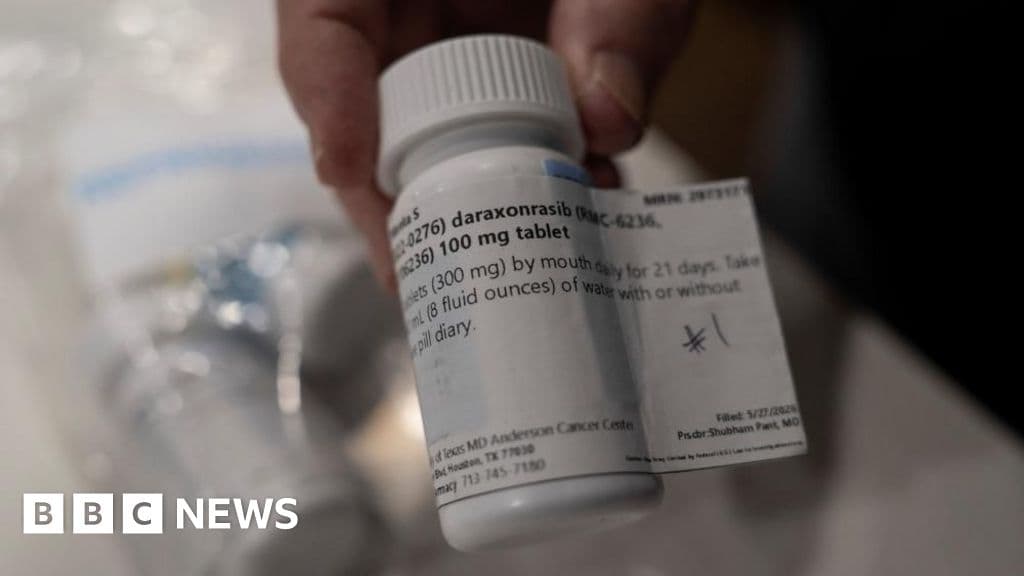
Discover how daraxonrasib, a new pill, is nearly doubling survival rates for pancreatic cancer patients, offering hope in a challenging battle against this deadly disease.
BBC Health
Waste companies propose a £5 deposit on vapes to encourage proper disposal and curb littering as the environmental impact of vapes increases.
BBC Business