

Image: BBC Health
Discover how disgraced surgeon Tony Dixon's mesh surgeries caused £20M in NHS compensation claims, affecting over 450 patients. What happens next?
GlipzoRecent revelations have unveiled that Tony Dixon, a surgeon from Bristol, has been at the center of a medical scandal that has led to over £20 million in compensation claims against the NHS. The distressing situation involves more than 450 patients who suffered injuries from surgeries involving artificial bowel mesh procedures. This case not only highlights the financial burden on the NHS but also raises significant concerns about patient safety and surgical ethics.
Dixon was removed from the medical register in 2022 due to serious misconduct, which included allegations of performing unnecessary surgeries without patients' informed consent. He also faced accusations of fabricating patient records. These revelations have sparked outrage among the public and healthcare professionals alike, as the very system meant to protect patients appears to have failed them dramatically.
According to NHS Resolution, a total of £19.12 million has already been paid out to 245 claimants, with many more cases still pending. This significant financial toll illustrates the extent of the damage caused by Dixon's actions and the implications for the NHS, which is already under strain due to various funding and resource challenges.
Key facts about the compensation claims include: - £19.12 million paid to 245 claimants - Hundreds of additional claims are still unresolved - Dixon's misconduct led to increased scrutiny of surgical practices involving mesh procedures.
Dixon's controversial procedures, particularly the Laparoscopic Ventral Mesh Rectopexy (LVMR), have been scrutinized since allegations first surfaced in 2017. Patients, particularly women, reported severe complications, including chronic pain and nerve damage, raising alarms about the safety and efficacy of such treatments.
The fallout from Dixon's surgeries has left many patients grappling with debilitating health issues and ongoing medical costs. Kath Sansom, founder of the campaign group Sling the Mesh, has been vocal about the tragic outcomes faced by many women, describing their experiences as “horrific complications.” The group advocates for better regulation and monitoring of surgical mesh procedures, emphasizing the need for informed consent and transparency in medical practices.
As investigations into Dixon's practices continue, patients are left wondering about the future of their health. They face not only physical repercussions but also emotional and financial burdens as they navigate the legal landscape to seek justice. The ongoing claims against the NHS serve as a reminder of the potential consequences of medical negligence and the importance of holding medical professionals accountable for their actions.
Dixon's case has raised crucial questions about the broader implications of using surgical mesh in procedures. Some studies associated with his techniques have received formal editorial warnings, casting doubt on the validity of the data supporting their use. This has led to a growing demand for comprehensive reviews of surgical mesh applications and the establishment of stricter guidelines to safeguard patient outcomes.
The use of surgical mesh has been controversial for years, with many patients reporting complications that have led to calls for regulatory reforms. The medical community is urged to reassess the safety protocols surrounding these procedures to prevent further cases of malpractice. Advocacy groups are pushing for legislation to ensure that patients are fully informed of the risks involved with such surgeries, promoting a culture of patient-centered care.
As the legal battles continue and more claims are processed, the implications of Dixon’s misconduct extend beyond financial costs. This case may prompt a reevaluation of surgical practices and the monitoring of healthcare providers to ensure that patient welfare remains a priority.
Looking forward, several key developments are expected: - Increased scrutiny of surgical procedures involving mesh. - Potential reforms in healthcare policies regarding patient consent and safety protocols. - Continued advocacy for affected patients seeking justice and compensation.
The situation serves as a critical reminder of the importance of transparency, accountability, and ethics in healthcare. As Dixon's case unfolds, it remains to be seen how the NHS and regulatory bodies will respond to ensure that such incidents do not recur, ultimately aiming to restore public trust in the medical system.
Patients and their advocates will undoubtedly continue to monitor developments closely, hoping for justice and improved safety measures that prioritize patient health and informed decision-making in medical treatments.

Shocking findings from Nottingham's maternity unit reveal a toxic culture and alarming neglect. What can be done to improve care? Discover the details.
BBC Health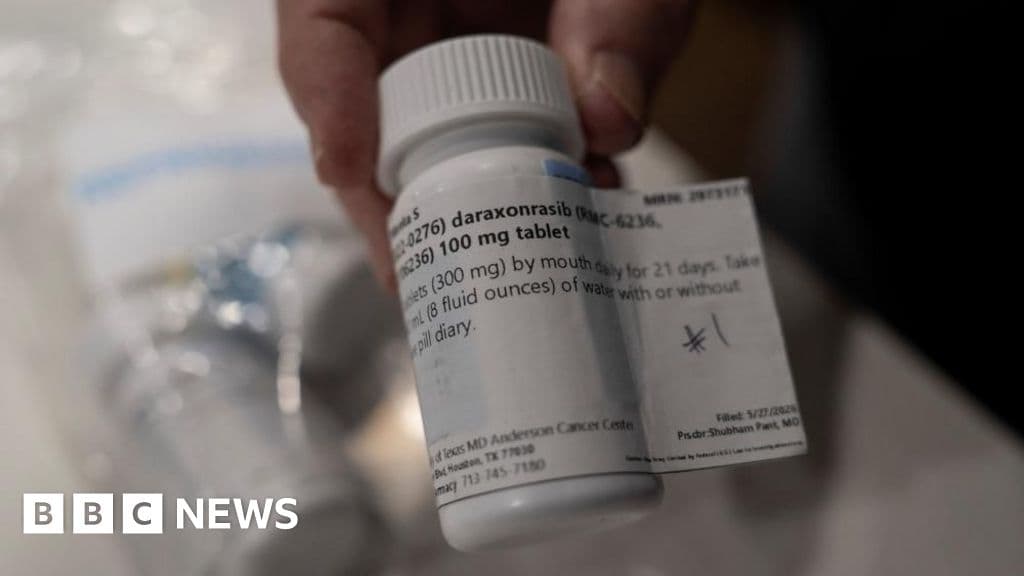
Discover how daraxonrasib, a new pill, is nearly doubling survival rates for pancreatic cancer patients, offering hope in a challenging battle against this deadly disease.
BBC Health
Waste companies propose a £5 deposit on vapes to encourage proper disposal and curb littering as the environmental impact of vapes increases.
BBC Business