

Image: BBC Health
NHS recruitment freeze leaves healthcare students in limbo, as many fear for their job prospects. What does this mean for the future of healthcare in Wales?
GlipzoA shocking revelation has emerged regarding the future of healthcare students in Wales. Many aspiring professionals, drawn to their fields with promises of a secure career, now find themselves grappling with uncertainty. Just last week, a trainee paramedic shared her dismay with the BBC, highlighting her search for work abroad due to a troublesome recruitment freeze in Wales. This sentiment is shared by numerous students pursuing degrees in midwifery, physiotherapy, nursing, and other healthcare disciplines, who feel abandoned as they near graduation.
The situation has escalated to the point where university-run paramedic courses in Wales will be halted starting September due to an insufficient number of job openings. This decision affects programs offered by Swansea University and Wrexham University. The Health Education Improvement Wales (HEIW) announced the pause in collaboration with the Welsh government and the Welsh Ambulance Services University NHS Trust (WAST), aiming to alleviate competition for the limited vacancies in the upcoming years.
WAST has confirmed that the recruitment of new paramedics will be severely restricted this year, mirroring a broader trend across the UK. Both the Welsh and UK governments are reportedly working with universities and health boards to facilitate employment for graduates, yet many remain skeptical about these measures.
The frustration is palpable among students, particularly in England and Scotland, where many express concerns over job availability after completing their degrees. One mother voiced her heartbreak for her son, currently employed at Starbucks, who is contemplating a move to Canada to utilize his physiotherapy degree.
Emma Coomer, a 41-year-old from Aberdare in Rhondda Cynon Taf, shared her disappointment after leaving a stable job to pursue a nursing degree at the University of South Wales. "It's awful, it's such a let-down. So disappointing," she lamented. Emma had hoped that her sacrifices, including juggling shifts and missing family time, would lead to a rewarding career. As graduation approaches, many students are left in a state of confusion without job offers, prompting fears that a lack of opportunities will drive potential nurses away from the profession.
The Royal College of Nursing Cymru has projected that up to 50% of new nursing graduates may find themselves without work, labeling the situation a significant failure of workforce planning. This alarming statistic underscores the urgency of addressing the recruitment freeze and its implications for the healthcare system.
Chloe Hurst, a 20-year-old in her final year of physiotherapy at Cardiff University, expressed her disillusionment with the job market as she approaches graduation. Despite the expectation that Band 5 physiotherapy positions would be available, she has discovered a lack of openings in Wales. Instead, graduates have been directed to apply for lower-tier Band 3 and Band 4 roles, which do not require a degree. These positions, however, are also in short supply.
As a recipient of a Welsh NHS bursary, Chloe is frustrated by the limitations on applying for positions outside Wales. "It's a waiting game, and there's not really much we can do about it," she stated. This sentiment resonates with many students who feel trapped by their circumstances, eager to demonstrate their commitment to finding employment.
The recruitment freeze and job scarcity are not isolated issues but rather part of a larger trend affecting healthcare services across the UK. The Chartered Society of Physiotherapy has reported widespread recruitment freezes and unfilled vacancies, exacerbating the staffing crisis. Over 80% of its members believe that current staffing levels fall short of meeting patient needs. Many healthcare workers have left the NHS due to overwhelming workloads, further straining the system.
The implications of this recruitment freeze extend beyond individual students; they pose a significant risk to the future of healthcare services in Wales and beyond. With fewer graduates entering the workforce and existing staff overwhelmed, the potential for a healthcare crisis looms large.
The situation raises critical questions about the future of healthcare education and employment in Wales. As students invest time and resources into their education with the expectation of stable employment, the ongoing recruitment freeze jeopardizes their aspirations and threatens to deter future generations from entering the healthcare field.
Looking ahead, it remains to be seen how the governments and healthcare organizations will address these pressing issues. Will they implement effective strategies to ensure job placements for graduates? Or will the current trends continue, leading to an even deeper crisis in healthcare staffing?
As the landscape of healthcare evolves, students, educators, and policymakers must collaborate to create a sustainable future for the next generation of healthcare professionals. The outcome will not only shape individual careers but also determine the quality of care available to patients across Wales.
In the coming months, we should watch for: - Any announcements regarding job placement initiatives by the Welsh government. - Developments in recruitment policies and their impact on students. - Responses from universities about adapting course offerings to align with job market demands. - The effectiveness of measures taken to prevent further workforce shortages in healthcare. - Increased advocacy from student groups and healthcare organizations aimed at improving job prospects for graduates.

Shocking findings from Nottingham's maternity unit reveal a toxic culture and alarming neglect. What can be done to improve care? Discover the details.
BBC Health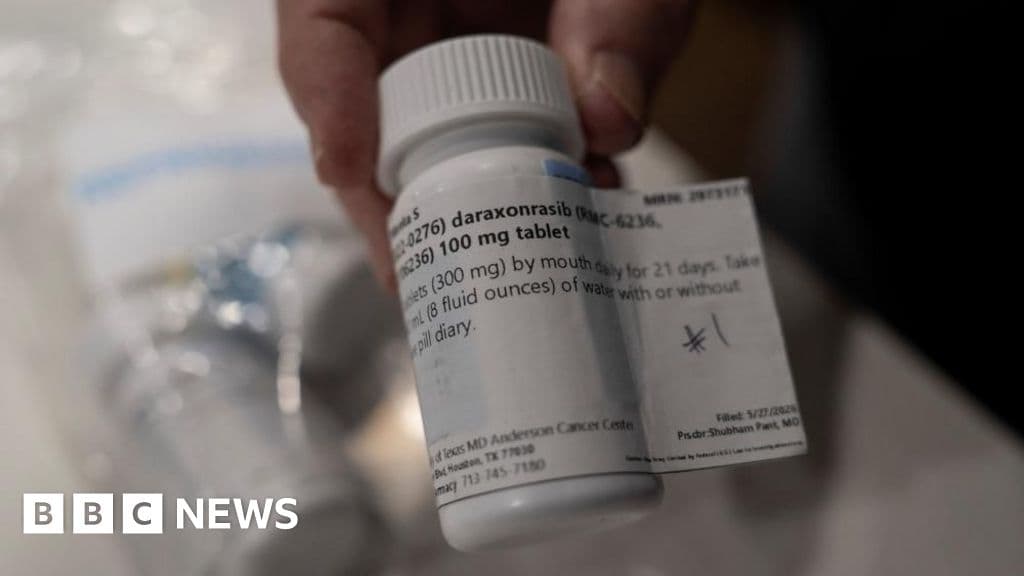
Discover how daraxonrasib, a new pill, is nearly doubling survival rates for pancreatic cancer patients, offering hope in a challenging battle against this deadly disease.
BBC Health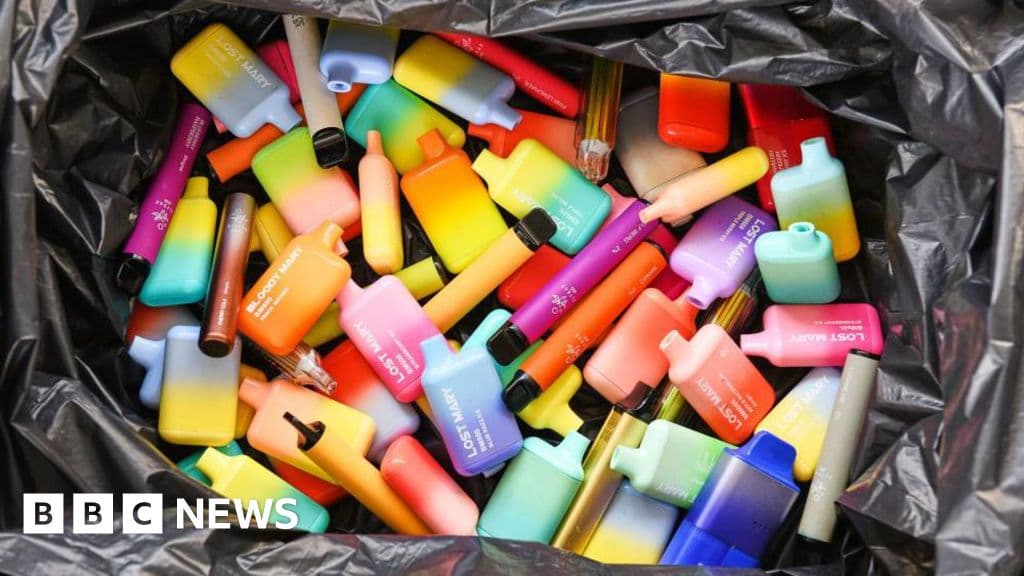
Waste companies propose a £5 deposit on vapes to encourage proper disposal and curb littering as the environmental impact of vapes increases.
BBC Business