

Image: The Verge
Prediction markets are courting journalists with partnership offers, raising ethical questions about the future of journalism amidst changing financial landscapes.
GlipzoIn an unexpected twist, prediction markets are attempting to reshape the landscape of journalism by enticing reporters into partnerships. Recently, Rick Ellis, an independent journalist focused on the entertainment sector, revealed that he was approached by a prominent prediction market exchange. This initiative marks a significant shift in how prediction markets interact with the media and raises ethical questions about the integrity of journalism in the digital age.
Ellis, who operates the website AllYourScreens.com and contributes a newsletter on Substack regarding television and streaming, disclosed his offer to The Verge. He was proposed a deal to create two articles per week utilizing data derived from prediction markets. This could encompass predictions on popular television shows like Survivor or romantic outcomes in Love Is Blind. The financial incentive was notable, with a proposed payment in the “mid to upper hundreds” per article, with additional earnings tied to audience engagement metrics.
While the allure of financial support is strong, Ellis expressed concerns about the ethical implications of such arrangements. “I’ve been a reporter all my life,” he remarked. “I don’t mind being pitched something. Maybe I see something and say, ‘Oh, this would be a good story.’ But getting paid to do it just crosses a line that I just wasn’t willing to do.” His reluctance highlights a broader issue within the journalistic community regarding the potential conflicts of interest that can arise from such partnerships.
Journalists are frequently approached by PR firms and data providers aiming to secure coverage for their services. While some news organizations do publish sponsored content, these pieces are typically marked as such, ensuring transparency. However, receiving compensation for mentioning a specific company or its data can breach the ethical guidelines of many news outlets, as it blurs the line between advertising and journalism.
Prediction markets allow individuals to place bets on future events, ranging from political outcomes to celebrity news. For instance, users can wager on significant questions like “Will the Iranian regime fall by March 31st?” or “Where will Travis Kelce and Taylor Swift get married?” In recent months, some media outlets have begun to reference odds from platforms like Polymarket and Kalshi in their reporting. Notably, a new sponsorship initiative has led several popular Substack newsletters to include prediction market odds, alongside disclaimers indicating a data partnership with Polymarket.
Polymarket and Kalshi argue that their betting data serves a purpose similar to polling data, offering insights backed by financial stakes. Critics, however, assert that these operations are fundamentally gambling, and Kalshi is currently facing several lawsuits, including one from the Arizona attorney general accusing it of running an illegal gambling operation.
The integration of prediction market data into journalism could lend a semblance of credibility to these platforms. By employing respected journalists to interpret and disseminate this information, prediction markets seek to gain traction in public consciousness. Their goal is to encourage betting not just on light-hearted topics like the Oscars, but also on significant global events. For context, over $120 million was wagered on the Academy Awards last weekend, showcasing the potential scale of engagement.
Both Polymarket and Kalshi are competing fiercely for dominance in the U.S. market, employing eye-catching tactics to differentiate themselves from each other. This competitive atmosphere has implications not only for the prediction market industry but also for the media landscape.
The financial pressures on the entertainment media sector are palpable, with many outlets facing consolidation and layoffs. Ellis acknowledged that the industry already suffers from behind-the-scenes financial influences, particularly from Hollywood trades vying for advertising dollars. The potential for prediction markets to further complicate this landscape is significant, as it could lead to greater editorial conflicts and a loss of trust among audiences.
As prediction markets continue to seek partnerships with journalists, the question of ethical journalism versus financial incentives looms large. Will reporters be able to maintain their integrity while engaging with these platforms, or will the financial allure prove too tempting? The future will likely hinge on transparency and the establishment of clear boundaries regarding editorial independence.
What to Watch For: As these partnerships develop, it will be crucial for the journalism community to establish firm guidelines that address the ethical challenges posed by prediction markets. The potential for increased engagement and monetization must be balanced with the need for transparency and accountability in reporting. The ongoing dialogue around these issues will shape the relationship between the media and prediction markets in the years to come.
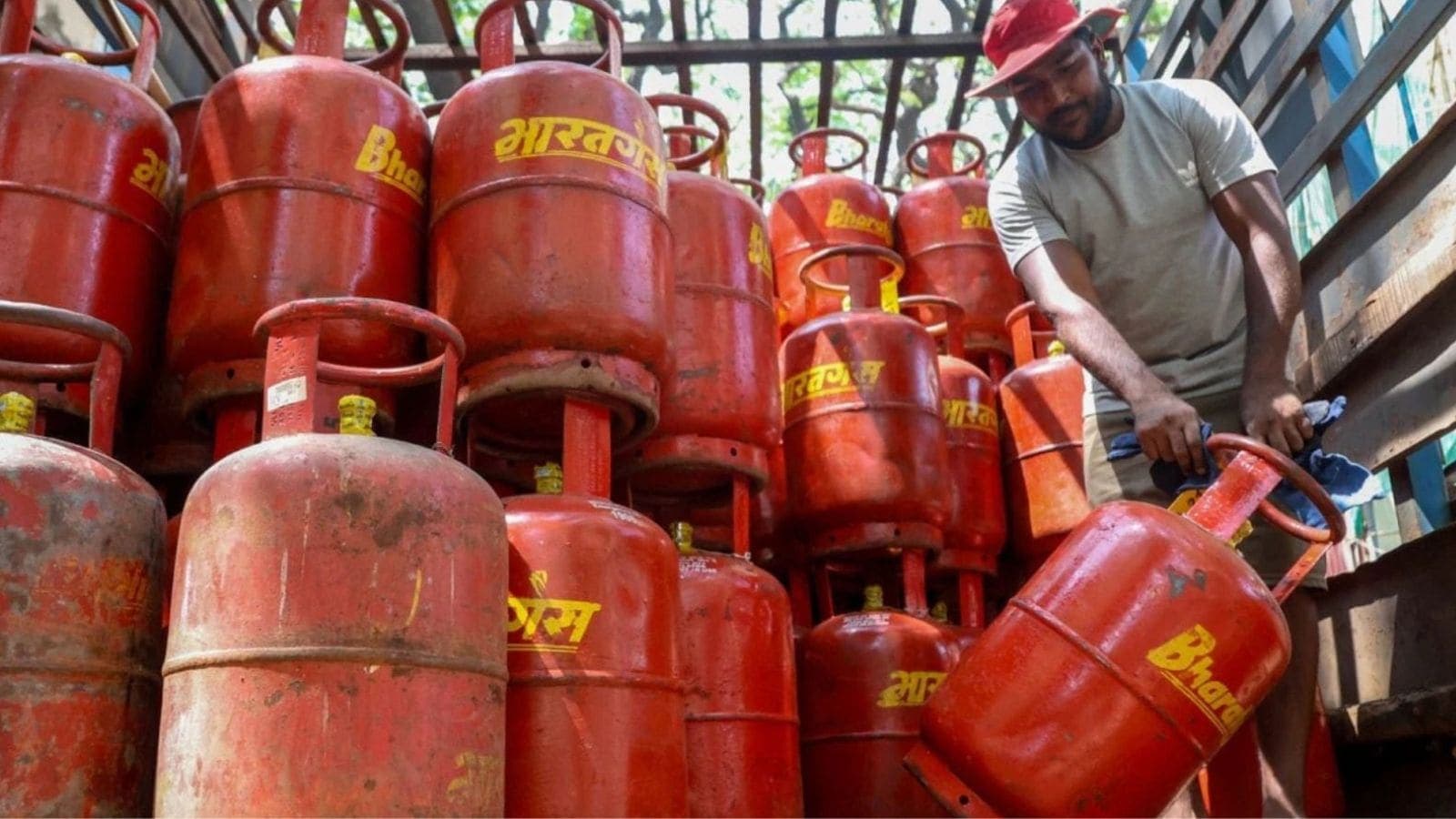
Commercial LPG prices have risen again, with increases of ₹42 in Delhi and ₹53.50 in Kolkata impacting businesses and consumers alike. Find out more.
Indian Express
Discover how a tragic coal mine explosion in Shanxi, China, reveals ongoing safety concerns in the industry amidst a push for green energy.
BBC Business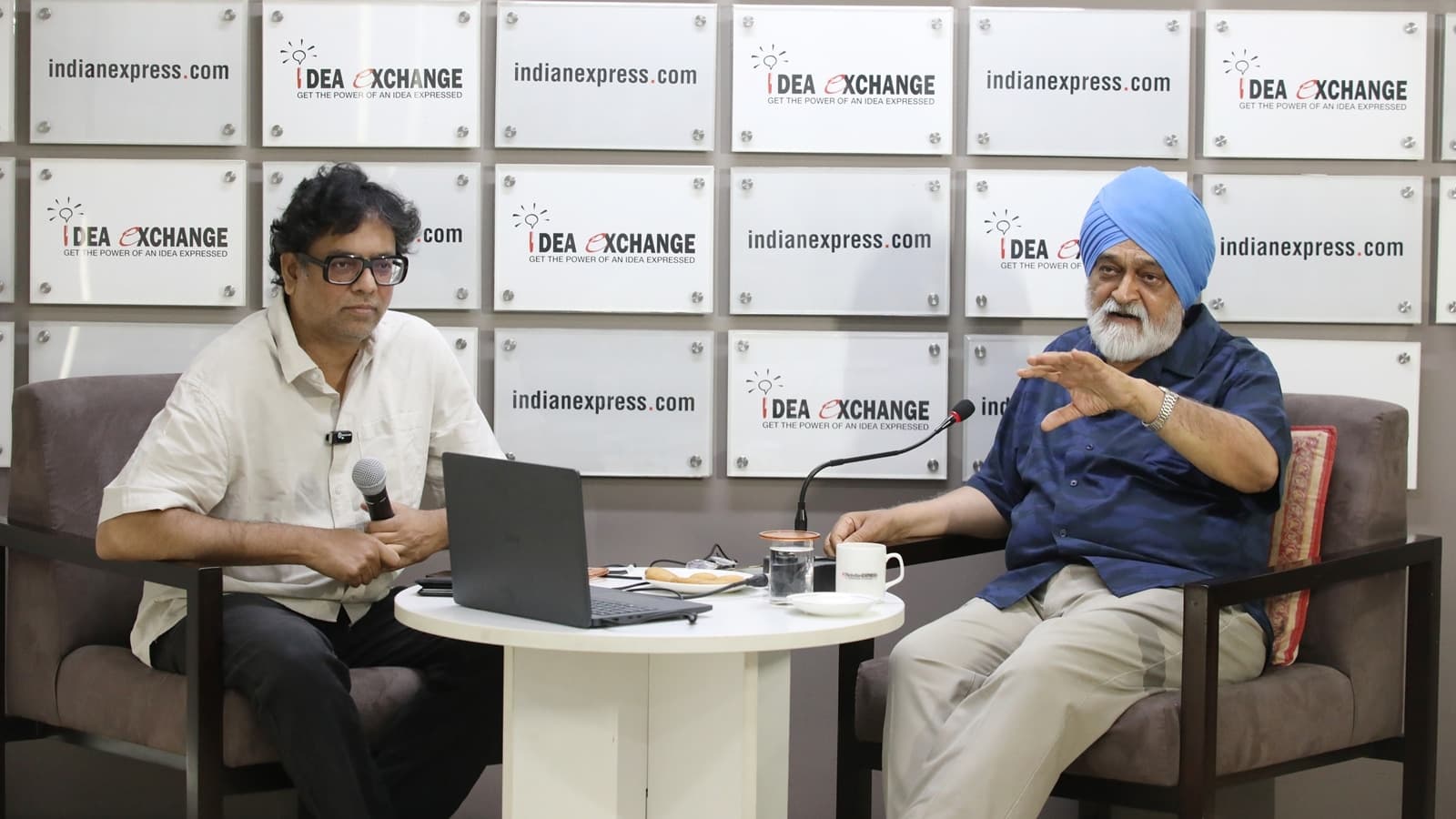
Montek Singh Ahluwalia highlights key economic challenges for India, emphasizing the need for a strategic approach to balance payments and investment.
Indian Express