
Image: BBC Health
Discover how ChatGPT helped uncover a rare condition for a young woman after years of misdiagnosis, highlighting the role of AI in healthcare.
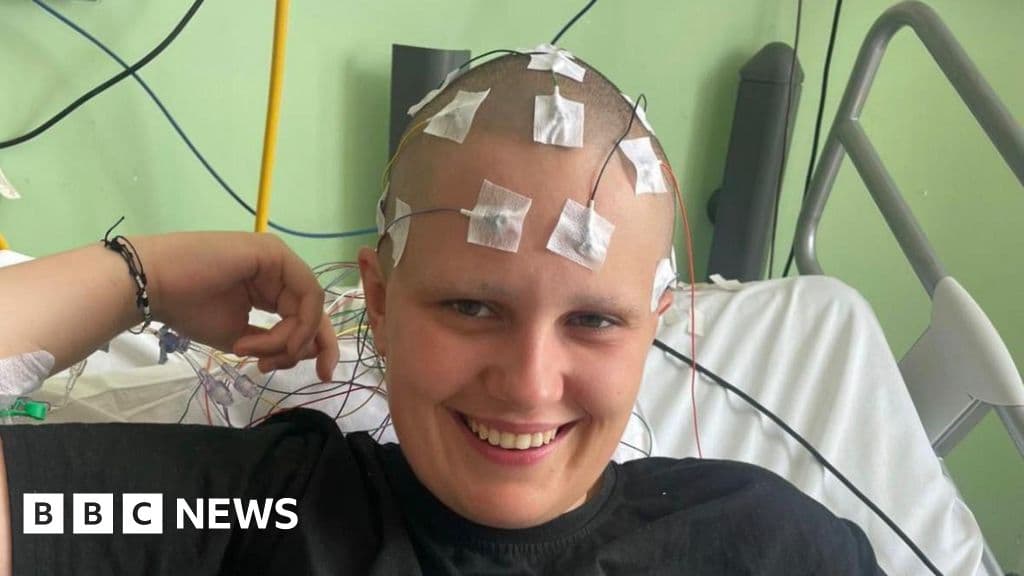
GlipzoIn an astonishing turn of events, Phoebe Tesoriere, a 23-year-old from Cardiff, has uncovered a rare medical condition with the help of ChatGPT after years of being misdiagnosed by healthcare professionals. This incident raises critical questions about the evolving role of artificial intelligence in healthcare and its potential to bridge the gap when traditional medical routes fail.
Phoebe's ordeal began with a series of misdiagnoses, where she was labeled as suffering from anxiety, depression, and even epilepsy. After a severe seizure that left her in a coma for three days, she turned to the AI chatbot for assistance. The insights provided by ChatGPT led her to suggest various conditions, including hereditary spastic paraplegia, which she subsequently discussed with her general practitioner (GP). Following genetic testing, the diagnosis was confirmed, marking a significant turning point in her medical journey.
Throughout her childhood, Phoebe faced challenges that went unrecognized by medical professionals. "I had a limp, was born without a hip socket, and underwent surgeries as a baby. I thought these issues were related to my early conditions," Phoebe shared. Despite her struggles, she remained a vibrant individual, never identifying as anxious.
At the age of 19, Phoebe experienced a collapse at work, which was attributed to anxiety by doctors—a label she contested. "I had no history of anxiety; I was a bubbly person," she emphasized. Her journey took another unsettling turn when she was diagnosed with epilepsy in 2022 but struggled to manage her medication, which further complicated her health.
After the traumatic experiences in the hospital, where her symptoms were dismissed as anxiety rather than a genuine medical condition, Phoebe decided to take matters into her own hands. “I felt really lonely during this process. I had to fight to be listened to,” she explained. In her quest for answers, she input her symptoms into ChatGPT, which generated a list of possible conditions. Among them was hereditary spastic paraplegia.
Phoebe recounted her thought process: “I went back and forth with my partner, questioning whether I should go to the doctors or not. It seemed too far-fetched.” However, taking the leap, she presented the AI's suggestion to her GP, who agreed that it was a plausible explanation for her ongoing symptoms.
The case of Phoebe Tesoriere highlights the complexities surrounding the use of AI in healthcare. Dr. Rebeccah Tomlinson, a GP in Cardiff, acknowledged the pressures that healthcare professionals face, stating, “It’s difficult for GPs to know everything. Patients coming in with information helps guide discussions.” However, she also warned that while AI can be a useful starting point, it should never replace professional medical advice.
A recent study from the University of Oxford found that individuals seeking health advice from AI tools often received a mix of accurate and misleading information, emphasizing the need for caution. The challenge lies in discerning which advice is reliable and warrants further exploration with a healthcare provider.
Phoebe's experience serves as a poignant reminder of the potential pitfalls within the healthcare system. Misdiagnosis can lead to prolonged suffering, as seen in her case. The emergence of AI tools like ChatGPT can provide patients with a sense of agency and empowerment, allowing them to advocate for their health more effectively.
Additionally, the rarity of conditions like hereditary spastic paraplegia complicates diagnosis, as many healthcare providers may not be familiar with them. With AI's growing capabilities, there’s potential for earlier identification of such conditions, ultimately leading to better patient outcomes.
Now unable to continue her career as a special educational needs teacher due to her symptoms, Phoebe is redirecting her passion into studying for a master’s degree in psychology. She remains determined to help others, showcasing resilience in the face of adversity. “I still want to do something that helps people,” she stated.
As technology advances, the integration of AI tools in healthcare is likely to become more prevalent. Healthcare professionals must adapt to this changing landscape, ensuring that patients feel heard and validated while still providing the necessary expertise. For patients, the message is clear: being proactive about one’s health and leveraging available resources can lead to critical breakthroughs.
Moving forward, it will be essential to monitor how AI evolves in the healthcare sector, especially in terms of accuracy and reliability. The conversation around the ethical implications of AI in medicine will also be paramount as more individuals turn to technology for health advice.
In the case of Phoebe Tesoriere, her journey from misdiagnosis to a confirmed condition underscores the importance of advocacy, innovation, and collaboration in the pursuit of health and well-being.

Shocking findings from Nottingham's maternity unit reveal a toxic culture and alarming neglect. What can be done to improve care? Discover the details.
BBC Health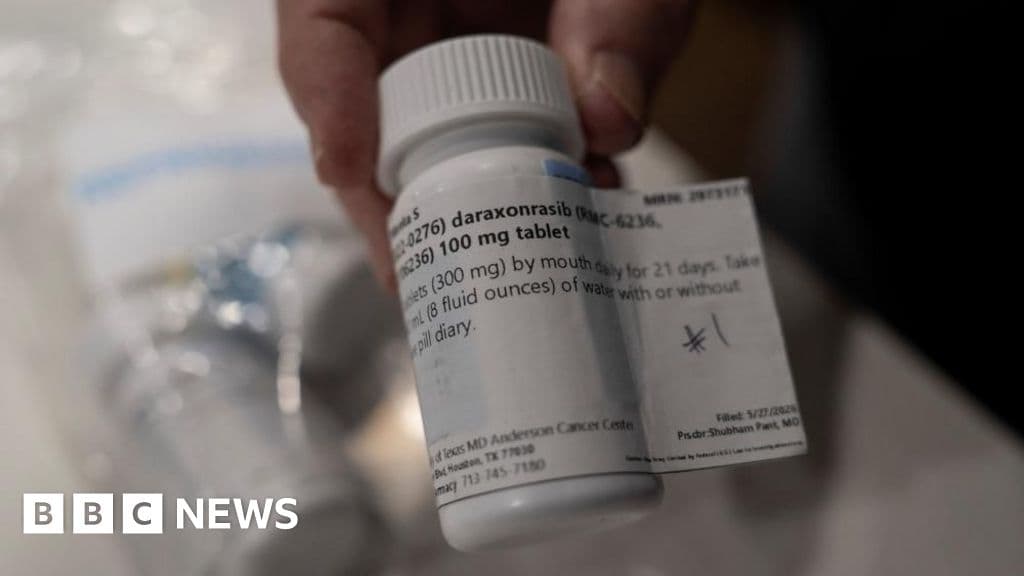
Discover how daraxonrasib, a new pill, is nearly doubling survival rates for pancreatic cancer patients, offering hope in a challenging battle against this deadly disease.
BBC Health
Waste companies propose a £5 deposit on vapes to encourage proper disposal and curb littering as the environmental impact of vapes increases.
BBC Business