
Image: BBC World
Hundreds of children in Bangladesh have tragically died from measles. Discover the heartbreaking story behind the outbreak and its implications.
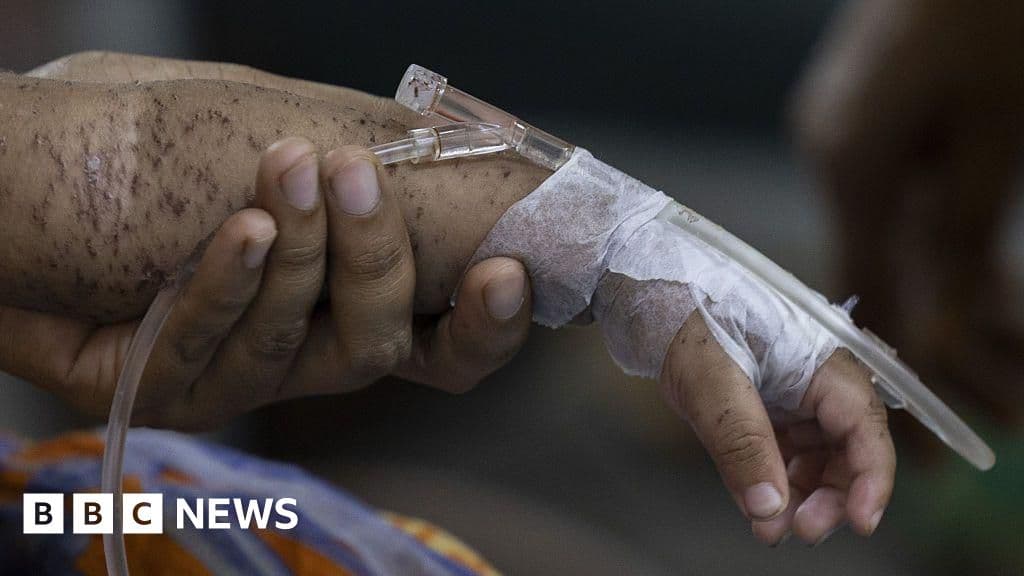
GlipzoIn a tragic turn of events, hundreds of children in Bangladesh have succumbed to measles, highlighting a devastating health crisis that has unfolded since March 2023. The story of Akira, a vibrant four-year-old girl, is a poignant reminder of the impact of vaccine shortages and healthcare failures. With her father, Al Amin, recounting her early milestones with pride, the narrative quickly shifts to a nightmare that unfolded in the hospital, where Akira's struggle with measles ultimately led to her untimely death.
Akira was a bright child who learned to speak at just six months, and by the age of four, she was even beginning to communicate in English. However, her father’s joy turned to despair when a simple fever escalated into a battle against measles. Despite being taken to the hospital multiple times, Akira’s symptoms were initially overlooked, and it wasn’t until she was critically ill that medical personnel diagnosed her condition.
According to the Bangladesh health ministry, over 500 children with suspected and confirmed cases of measles have died since March. The health minister has acknowledged the seriousness of the situation, announcing that healthcare professionals have had their Eid holidays canceled to manage the crisis effectively. In response to the rising number of cases, a mass vaccination campaign is currently underway, aiming to curb the outbreak and save lives.
The crisis is exacerbated by the fact that there are over 60,000 suspected cases of measles reported in the country, yet the exact figures remain unverified as many await laboratory results. The outbreak is particularly alarming due to the virus's highly contagious nature, spreading swiftly through respiratory droplets from coughs and sneezes, posing a significant risk to unvaccinated children under the age of five.
The healthcare system in Bangladesh is feeling the strain, with many parents struggling to find places for their sick children in hospitals. UNICEF, during field visits, found hospitals overwhelmed with patients, lacking adequate measures for isolation and triage. This has led to many families traveling to urban hospitals in hopes of receiving better care.
Dr. Mushtaq Husain, a former Principal Scientific Officer, highlighted the challenges faced by lower-income families, stating that many avoid government hospitals until their conditions become critical due to the financial burden of purchasing medicines and tests. This lack of resources at the community level has forced many into emergency situations, where timely intervention could have made a significant difference.
Rana Flowers, UNICEF's country head for Bangladesh, described the situation as a “perfect storm.” Several factors have contributed to the rapid spread of measles, including:
One critical issue highlighted by Flowers is the delays in ordering vaccines, which stemmed from changes made by the interim government after the political upheaval in 2024. This shift disrupted the usual procurement processes, which directly contributed to the ongoing health crisis.
As the outbreak continues to evolve, the urgency for effective measures to combat measles becomes ever more apparent. The government and health authorities are under pressure to implement comprehensive strategies that not only address the immediate crisis but also ensure long-term improvements to the healthcare system. Vaccination programs must be prioritized, and resources allocated to local health clinics to prevent future outbreaks.
Akira's story serves as a heartbreaking reminder of the real consequences of vaccine hesitancy and healthcare inadequacies. The loss of her life is not just a statistic; it represents the pain of countless families who are grappling with similar tragedies.
Looking forward, it is crucial to monitor the effectiveness of the ongoing vaccination campaign and the overall response from the health authorities. The situation demands a coordinated effort from the government, international organizations, and local communities to revitalize the healthcare infrastructure and ensure that all children receive necessary vaccinations without delays.
As Bangladesh faces this critical juncture, the hope is that lessons learned from this outbreak will lead to stronger health policies and better preparedness for future health crises. The emphasis must remain on protecting the most vulnerable populations—our children.
Why It Matters: The ongoing measles outbreak in Bangladesh is not just a local issue; it serves as a reminder of the global importance of vaccination and the need for resilient healthcare systems. The loss of young lives due to preventable diseases should be a wake-up call for nations worldwide to prioritize public health and vaccination efforts.

Shocking findings from Nottingham's maternity unit reveal a toxic culture and alarming neglect. What can be done to improve care? Discover the details.
BBC Health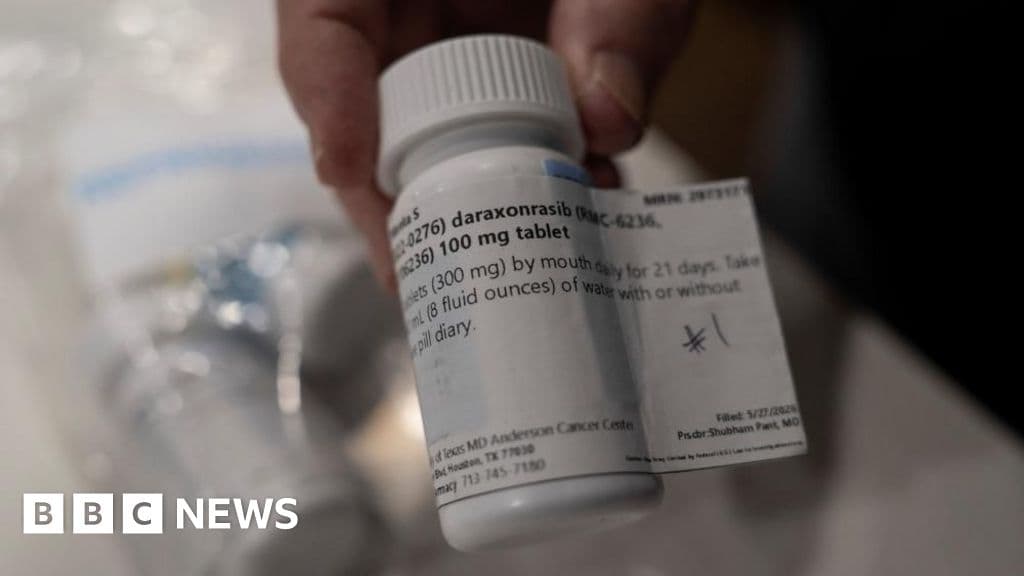
Discover how daraxonrasib, a new pill, is nearly doubling survival rates for pancreatic cancer patients, offering hope in a challenging battle against this deadly disease.
BBC Health
Waste companies propose a £5 deposit on vapes to encourage proper disposal and curb littering as the environmental impact of vapes increases.
BBC Business