

Image: Times of India
Discover how the US-Iran conflict is reshaping market expectations as Citi and Nomura cut Nifty50 targets. What does this mean for investors?
GlipzoIn a dramatic turn of events, the ongoing tensions between the United States and Iran are causing ripples in the financial markets, prompting major firms like Citi and Nomura to revise their target prices for the Nifty50 index. As geopolitical uncertainties escalate, investors are left grappling with the implications on their portfolios and the broader economic outlook.
The Nifty50, which serves as a benchmark for Indian equities, has seen fluctuations in response to the escalating conflict. This volatility raises questions about the stability of the market and its future trajectory. Both Citi and Nomura have reacted swiftly, adjusting their forecasts to reflect these new realities, illustrating the direct impact of global events on local markets.
These adjustments by two major financial institutions signal a broader concern about how geopolitical issues can influence market dynamics. Investors are advised to cautiously navigate this landscape as they reassess their investment strategies in light of these changes.
The impact of the US-Iran conflict extends beyond immediate market reactions. Economic analysts stress the significance of geopolitical stability in fostering investor confidence. Here’s why this situation matters: - Oil Prices: Tensions in the Middle East often lead to fluctuations in oil prices, which can directly influence inflation and economic growth in various regions, including India. - Foreign Investment: Increased instability may deter foreign investment, which is crucial for emerging markets like India. - Investor Sentiment: Market psychology plays a significant role; uncertainty can lead to panic selling, further exacerbating market declines.
By understanding these factors, investors can better comprehend the potential risks and prepare accordingly.
As the situation unfolds, it’s essential for investors to stay informed about key developments. Analysts suggest watching for: - Political Developments: Any easing of tensions or diplomatic resolutions could lead to a rebound in the markets. - Economic Indicators: Keep an eye on inflation rates, GDP growth, and employment figures as they will provide insights into the health of the economy amid these challenges. - Global Market Trends: The interconnectedness of global markets means that trends in the US and Europe will also affect Indian equities.
In conclusion, while the Nifty50 has faced a downward revision from prominent financial institutions, the path forward is uncertain. Investors must remain vigilant and adaptable as they navigate these turbulent waters, with geopolitical developments playing a crucial role in shaping market outcomes.
Understanding the implications of the US-Iran conflict on the stock market is vital not only for investors but for anyone involved in the broader economic landscape. The adjustments made by Citi and Nomura serve as a crucial reminder of how external factors can significantly influence financial markets. By staying informed and proactive, investors can better position themselves to weather these uncertainties and seize opportunities when they arise.
As we move forward, the situation remains fluid. Keeping a close watch on geopolitical developments and their economic repercussions will be essential for all stakeholders in the market. The evolving narrative surrounding the US-Iran conflict will undoubtedly continue to impact the Nifty50 and broader economic indicators, making it a critical area for ongoing analysis and review.
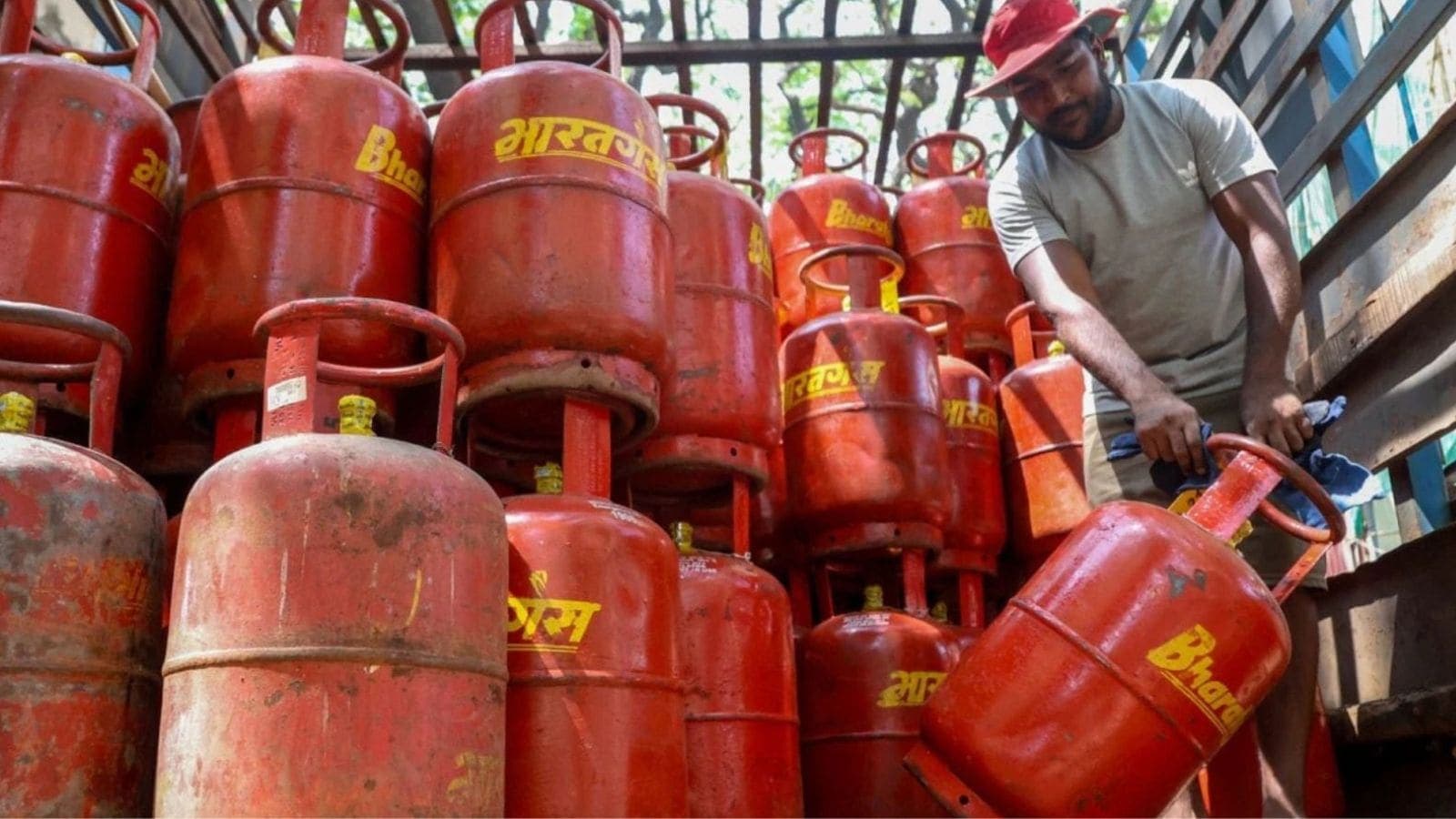
Commercial LPG prices have risen again, with increases of ₹42 in Delhi and ₹53.50 in Kolkata impacting businesses and consumers alike. Find out more.
Indian Express
Discover how a tragic coal mine explosion in Shanxi, China, reveals ongoing safety concerns in the industry amidst a push for green energy.
BBC Business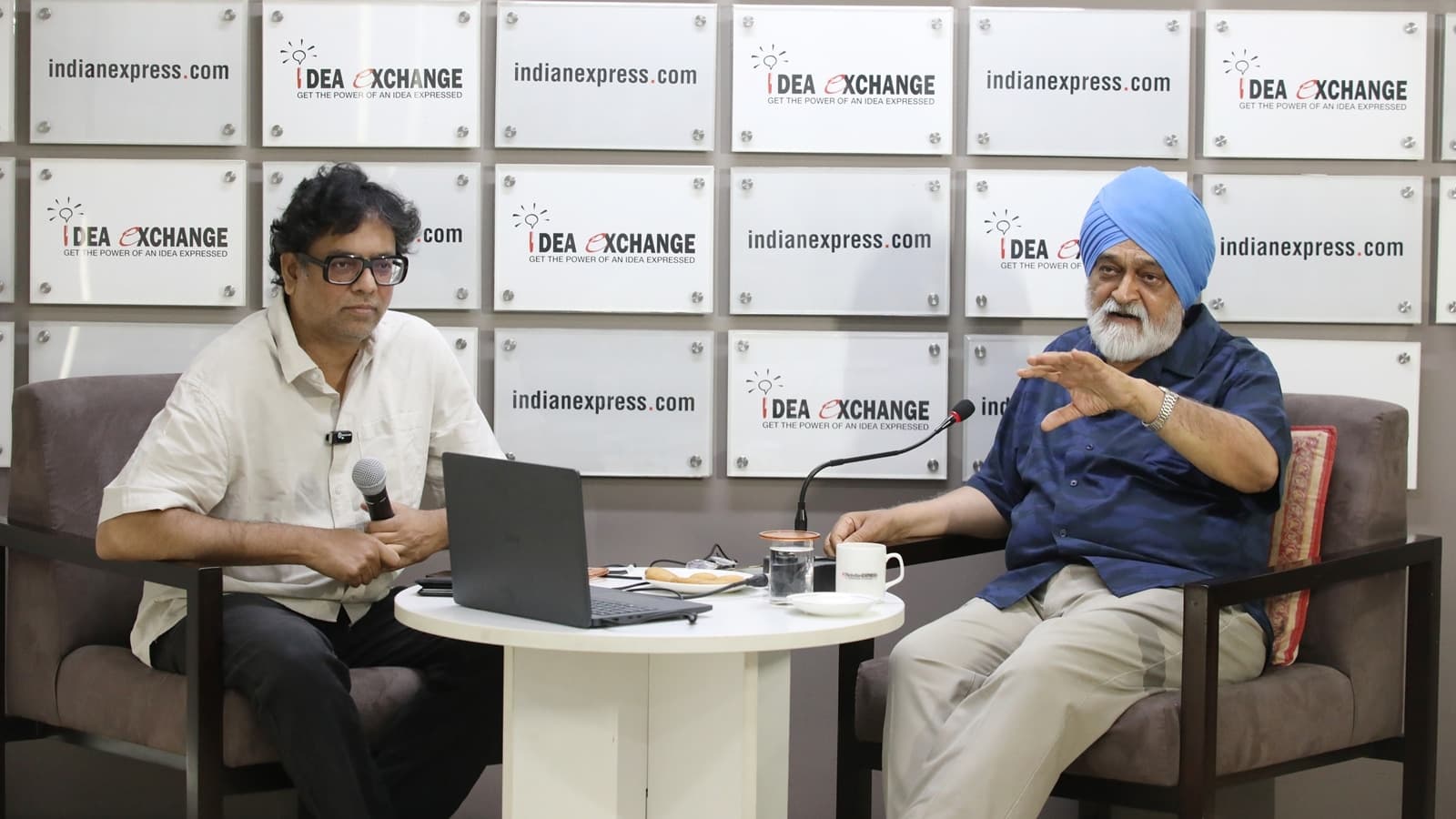
Montek Singh Ahluwalia highlights key economic challenges for India, emphasizing the need for a strategic approach to balance payments and investment.
Indian Express