
Image: Science Daily
Discover the surprising link between gum disease bacterium and breast cancer, revealing how oral health may influence cancer risk and progression.
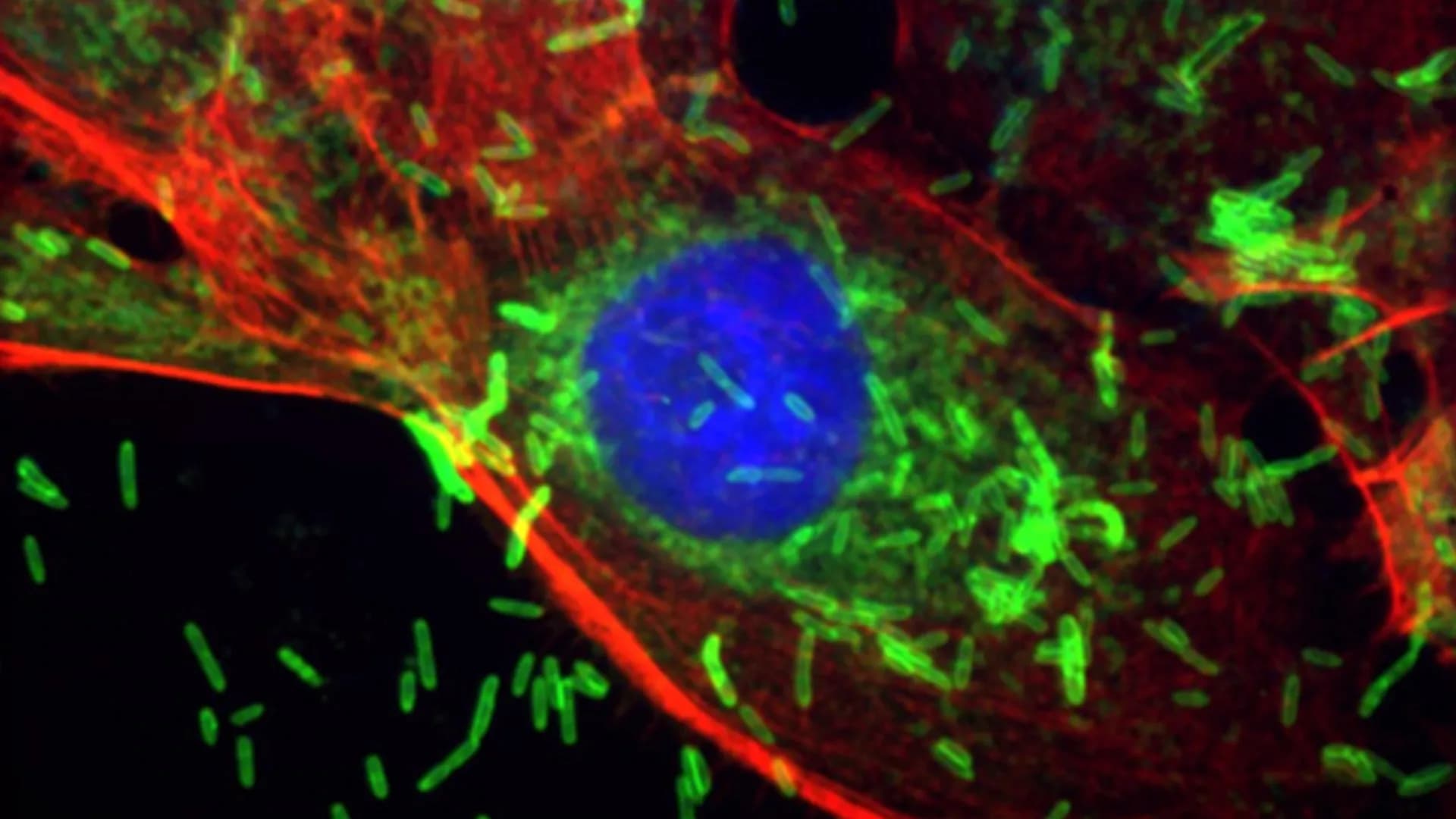
GlipzoRecent research from the Johns Hopkins Kimmel Cancer Center and the Bloomberg~Kimmel Institute for Cancer Immunotherapy has unveiled a startling connection between oral health and breast cancer. A bacterium commonly found in cases of gum disease, known as Fusobacterium nucleatum, has been shown to potentially initiate breast cancer, accelerate tumor growth, and influence its spread. This discovery was published in the journal Cell Communication and Signaling.
This bacterium, which has been previously linked to colorectal and other forms of cancer, appears to enter the bloodstream and localize in breast tissue. Once there, it triggers inflammation and early cellular changes associated with cancer development. Animal studies mimicking human breast cancer revealed that the presence of F. nucleatum not only sped up tumor growth but also facilitated the metastasis of cancer cells from the breast to the lungs.
“The key takeaway is that this oral microbe can reside in breast tissue, highlighting a connection between this pathogen and breast cancer,” explained Dr. Sharma, lead researcher on the study. The investigation stemmed from numerous smaller studies involving thousands of patients, which indicated a correlation between periodontal disease and breast cancer.
The research team conducted experiments utilizing mouse models and human breast cancer cells to delve deeper into how F. nucleatum affects breast tissue. When introduced directly into breast ducts, the bacterium induced metaplastic and hyperplastic lesions—noncancerous alterations where cells grow excessively or transform into different types. These cellular changes were consistently linked to inflammation, DNA damage, and increased proliferation of cells. Furthermore, when the bacterium infiltrated the bloodstream, it significantly enhanced the growth and spread of pre-existing tumors.
A critical biological process was identified that underlies these effects. Exposure to F. nucleatum resulted in cellular DNA damage, activating repair mechanisms that are inherently error-prone. One of these mechanisms, known as nonhomologous end joining, rapidly reconnects broken DNA strands but can lead to mutations. Even minimal exposure to the bacterium resulted in heightened levels of a protein called PKcs, which is associated with increased cancer cell mobility, invasion capabilities, stem-like properties, and resistance to chemotherapy.
The study also revealed that certain breast cells are particularly vulnerable to the effects of F. nucleatum. Epithelial cells—the cells lining the breast ducts—and breast cancer cells with BRCA1 mutations demonstrated heightened susceptibility to the bacterium. These BRCA1-mutant cells exhibited elevated levels of a surface sugar called Gal-GalNAc, which facilitates bacterial adhesion and cellular entry. As a result, these cells absorbed more F. nucleatum and retained it through multiple generations, amplifying DNA damage and promoting cancerous effects.
“Our findings reveal a link between oral microbes and breast cancer risk and progression, especially in genetically susceptible individuals,” Dr. Sharma stated. “Multiple risk factors interact, with F. nucleatum acting as an environmental influencer that may work in tandem with inherited BRCA1 mutations to enhance breast cancer and its aggressiveness.”
The researchers stress the need for further exploration regarding how these findings could influence patient care. Future studies will focus on whether maintaining good oral hygiene can play a role in mitigating breast cancer risk. The potential for prevention through oral health is a promising avenue that could benefit those at higher risk of developing breast cancer.
In addition to Dr. Sharma, the research team comprised Sheetal Parida, Deeptashree Nandi, Deepak Verma, Mingyang Yi, Ashutosh Yendi, Jessica Queen, Kathleen Gabrielson, and Cynthia Sears.
This research was supported by various organizations, including the Breast Cancer Research Foundation and grants from the Congressionally Directed Medical Research Programs Department of Defense Breast Cancer Research Program.
As this groundbreaking study sheds light on the intricate relationship between oral health and breast cancer, the scientific community is poised to further investigate these connections. Understanding how oral bacteria contribute to cancer risk could lead to innovative preventive strategies and treatment options.
Key areas of future research include: - Conducting larger clinical studies to confirm these findings in diverse populations. - Exploring the role of oral hygiene practices in breast cancer prevention. - Investigating whether interventions aimed at reducing F. nucleatum levels can impact breast cancer outcomes.
The implications of this research are profound. With breast cancer remaining a leading cause of cancer-related deaths among women, identifying modifiable risk factors such as oral health could be pivotal in reducing incidence rates and improving patient survival.
As the scientific community delves deeper into the connections between oral health and cancer, patients and healthcare providers alike should stay informed about the potential impacts of oral hygiene on overall health and cancer risk.

Shocking findings from Nottingham's maternity unit reveal a toxic culture and alarming neglect. What can be done to improve care? Discover the details.
BBC Health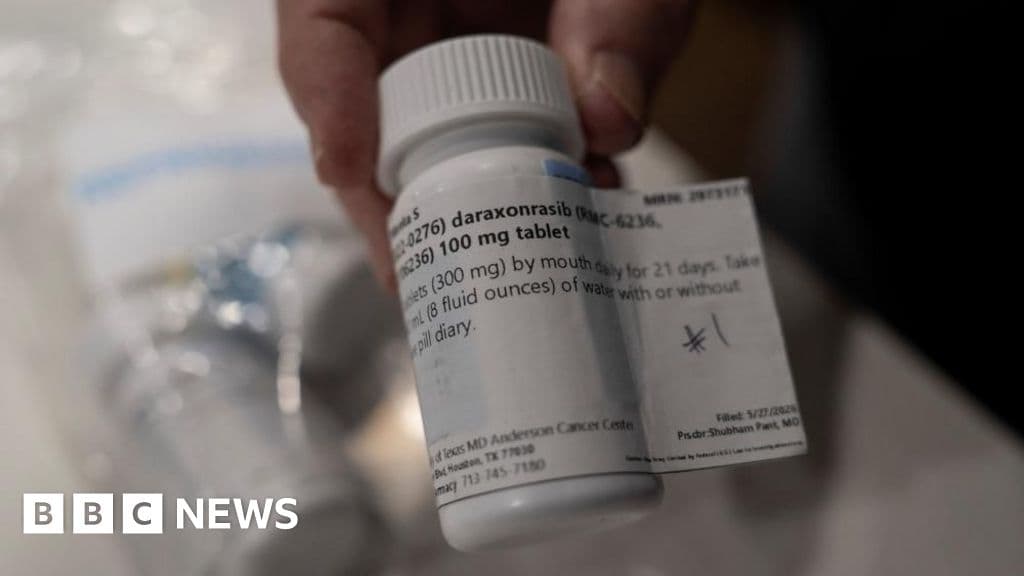
Discover how daraxonrasib, a new pill, is nearly doubling survival rates for pancreatic cancer patients, offering hope in a challenging battle against this deadly disease.
BBC Health
Waste companies propose a £5 deposit on vapes to encourage proper disposal and curb littering as the environmental impact of vapes increases.
BBC Business