
Image: The Hindu
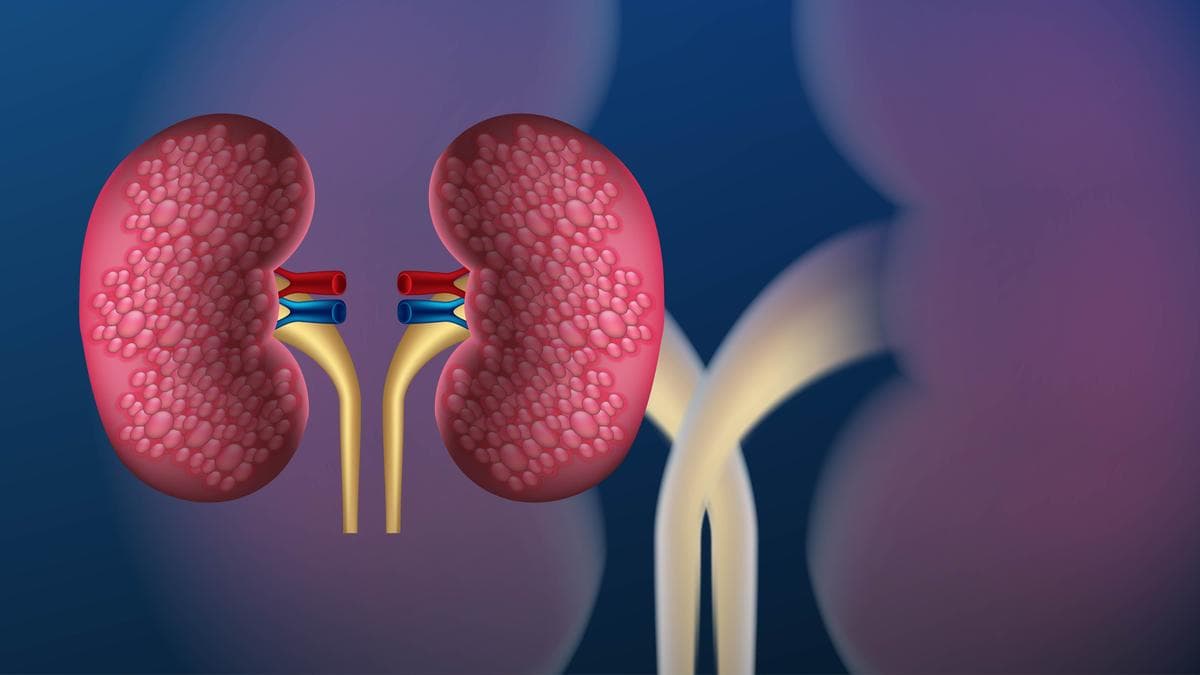
A shocking kidney trafficking case in Chennai has triggered a major CB-CID investigation, exposing a network of exploitation and raising urgent legal questions.
GlipzoIn a harrowing case that highlights the dark underbelly of organ trafficking in India, Mallika, a resident of Tondiarpet, Chennai, found herself embroiled in a scandal that would expose a vast network of deceit and exploitation. The events, which began in 2007, have recently drawn the attention of the Crime Branch CID (CB-CID), sparking a critical investigation into the illegal trade of human organs.
The initial response from the police led to the case being handed over to the CB-CID. However, the investigation faced significant hurdles due to the legal framework governing human organ trade. The Transplantation of Human Organs Act, 1994 mandates that only designated authorities can investigate such crimes, limiting the CB-CID's jurisdiction. Despite this complication, the urgency of the case prompted the CB-CID to pursue the matter under the Indian Penal Code, focusing on allegations of cheating and forgery.
The law was designed to prevent commercial dealings in human organs and protect the disadvantaged from exploitation by unscrupulous brokers and medical professionals. This duality—legal limitations versus moral imperatives—posed a significant challenge for law enforcement.
The traffickers created fake identities using forged ration cards, allowing them to bypass scrutiny. They instructed Mallika and her fellow victim that the surgery would not weaken them physically. After a cursory health check in Chennai, the victims were sent to a corporate hospital in Madurai for the procedure.
Despite the numerous inconsistencies in the documentation presented to the hospital's authorization committee, the fraud went undetected, and both victims underwent surgery. Once the operation was completed, however, the promised payments were drastically reduced, leaving Mallika and her counterpart with only ₹30,000 each.
This incident serves as a critical reminder of the systemic issues facing many in India, where poverty can drive desperate choices. Mallika’s plight has opened up discussions about the need for stricter enforcement of laws protecting individuals from such exploitation and the importance of public awareness regarding the dangers of organ trafficking.
This case serves as a crucial wake-up call, highlighting the need for concerted efforts to combat organ trafficking and protect the most vulnerable in society. As law enforcement continues its investigation, the hope is that justice will not only be served for Mallika but will also pave the way for systemic changes that safeguard individuals from exploitation in the future.

Shocking findings from Nottingham's maternity unit reveal a toxic culture and alarming neglect. What can be done to improve care? Discover the details.
BBC Health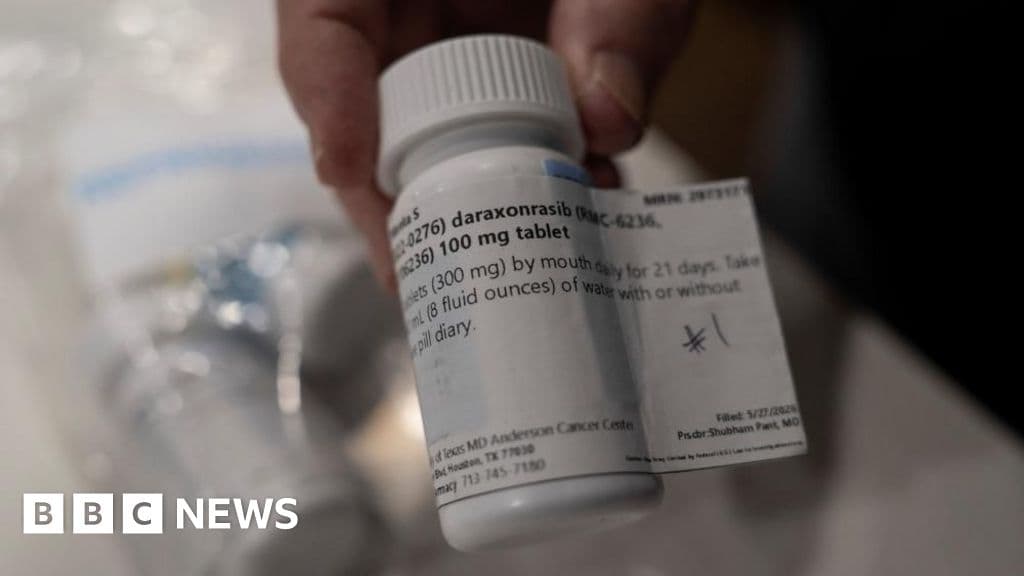
Discover how daraxonrasib, a new pill, is nearly doubling survival rates for pancreatic cancer patients, offering hope in a challenging battle against this deadly disease.
BBC Health
Waste companies propose a £5 deposit on vapes to encourage proper disposal and curb littering as the environmental impact of vapes increases.
BBC Business