
Image: BBC World
Iran's military strikes on US bases have caused an estimated $800 million in damages. Discover the implications of this escalating conflict.
GlipzoIn a startling revelation, recent analyses indicate that Iranian military strikes on US bases in the Middle East have inflicted approximately $800 million (£600 million) in damages within the first two weeks of an escalating conflict. This assessment, conducted by the Center for Strategic & International Studies (CSIS) and reported by the BBC, underscores the significant financial toll of the ongoing hostilities, raising questions about the broader implications for US military operations in the region.
The bulk of the damage occurred during Iran's initial retaliatory strikes, which were launched in response to coordinated military actions by the US and Israel. While the full extent of the damage remains unclear, the reported figure of $800 million is substantially higher than earlier estimates, providing a clearer picture of the conflict's steep costs.
Mark Cancian, a CSIS senior adviser and co-author of the report, highlighted the underreporting of damages to US military bases. "The damage to US bases in the region has been underreported," Cancian stated, emphasizing that the true financial impact may not be fully recognized until further information is made available.
In light of the ongoing military engagements, the Department of Defense directed inquiries to US Central Command. However, officials from Central Command declined to provide comments on the damage assessments.
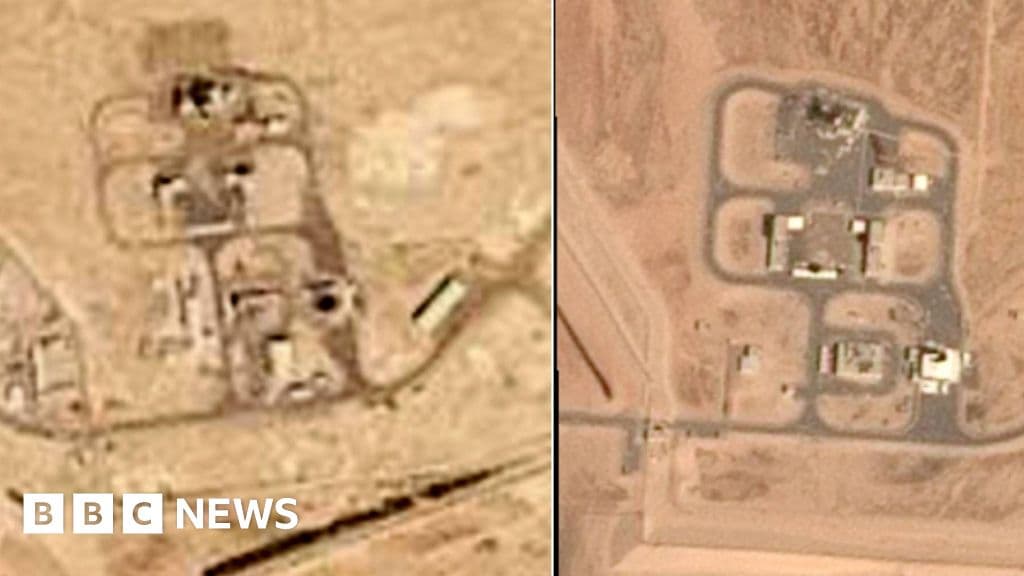
Iran's military strikes specifically targeted critical US infrastructure, including air-defense and satellite-communication systems across various locations in the Middle East, such as Jordan and the United Arab Emirates. Among the most notable damages is the strike on a US radar for the THAAD missile defense system at a base in Jordan, with a replacement cost estimated at around $485 million. This radar system plays a vital role in intercepting long-range ballistic missiles, making it a strategic asset for US military operations.
Additionally, $310 million in damages has been estimated for various buildings, facilities, and other infrastructures on US bases utilized by American forces throughout the region.
Analysis of satellite imagery reveals that Iran has targeted at least three air bases multiple times, suggesting a strategic focus on crippling specific US military assets. The bases affected include Ali Al-Salim in Kuwait, Al-Udeid in Qatar, and Prince Sultan in Saudi Arabia, with damage appearing during various phases of the conflict, as documented by BBC Verify.
Notably, reports indicate that Russia has been sharing intelligence with Tehran regarding US military operations, potentially enhancing Iran's targeting capabilities.
The conflict has also resulted in the tragic loss of 13 US military service members since former President Donald Trump commenced the attacks on Iran on February 28. The Human Rights Activists News Agency (Hrana) estimates the overall death toll from the conflict at nearly 3,200, including approximately 1,400 civilian casualties.
Former President Trump has expressed confidence in achieving his strategic goals, which include dismantling Iran's nuclear capabilities, degrading its conventional military strength, and curtailing the regime's support for regional proxy groups. "We're doing extremely well in Iran," Trump stated during a recent event at the White House.
Despite these claims, the war has created significant turmoil within the global economy, particularly with the Strait of Hormuz facing near-closure and uncertainty regarding the conflict's duration and potential ground troop deployments by the US. The situation remains fluid, with heightened tensions affecting international oil markets and global trade routes.
Analyzing satellite imagery to assess the full extent of damage has proven challenging due to restrictions imposed by major US-based providers on the release of critical intelligence. However, patterns have emerged from Iran's retaliatory actions, notably targeting radar and satellite systems crucial for modern military operations.
Damaging strikes have been documented at facilities such as Camp Arifjan in Kuwait and Prince Sultan Air Base in Saudi Arabia, where significant damage to radar components has been observed. Smoke rising from affected areas has been captured in satellite imagery, indicating the severity of the strikes.
As the conflict continues, the US military’s strategic posture in the Middle East will be under scrutiny. The escalating costs of the war, both in terms of financial damage and human life, highlight the urgent need for diplomatic engagement and conflict resolution. Observers are watching closely to see how the US will respond to these developments, particularly in terms of military strategy and international alliances.
The situation remains precarious as stakeholders weigh their options in a rapidly changing geopolitical landscape. The potential for further military action, coupled with ongoing economic repercussions, underscores the critical nature of this conflict and its implications for regional stability and global security.
In conclusion, the unfolding events warrant careful monitoring, as the ramifications of these military engagements could reverberate far beyond the immediate region.

Tensions soar as the US and Iran engage in air strikes near the Strait of Hormuz, raising concerns over global oil supply and regional stability.
BBC World
Trump's international interventions face serious stalemates. What will this mean for U.S. foreign policy? Explore the critical challenges ahead.
Indian Express
Tehran denies resignation of President Masoud Pezeshkian amid claims of IRGC influence. What does this mean for Iran's political stability? Click to learn more!
Indian Express