
Image: BBC Health
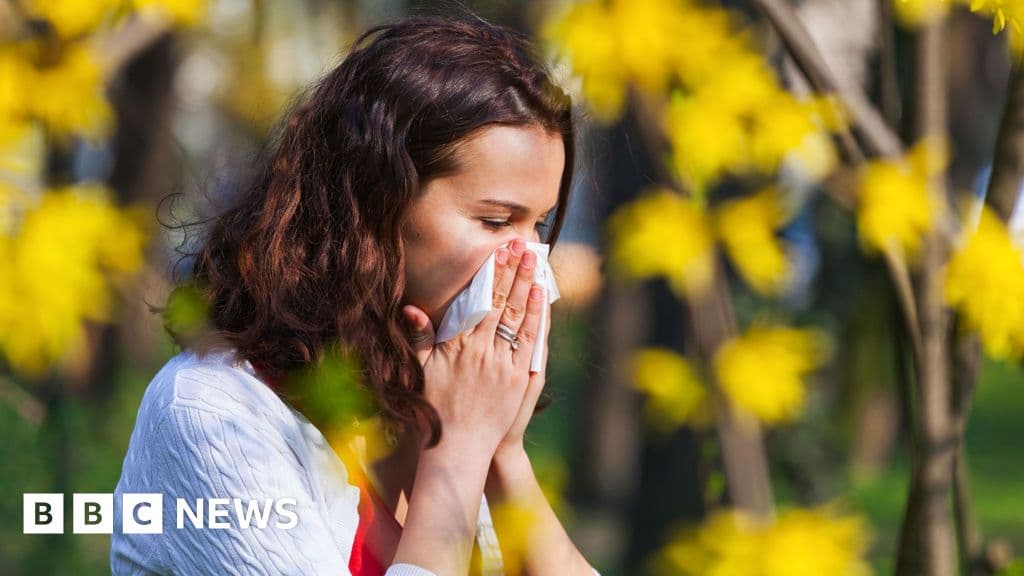
Recent studies show hay fever symptoms last longer due to climate change. Discover coping strategies and what this means for millions of sufferers.
GlipzoFor those plagued by hay fever, new research reveals a troubling trend: symptoms now last up to two weeks longer than they did in the 1990s. This alarming finding comes from a comprehensive analysis conducted by a team of 65 scientists worldwide, published in the prestigious Lancet Public Health journal. As climate change continues to reshape our environment, the pollen season is extending, leaving millions to grapple with the consequences.
The study highlights how warmer temperatures are altering the blooming cycles of certain plants, particularly three trees common across Europe: birch, alder, and olive. The data indicates that pollination for these trees now commences one to two weeks earlier when comparing the years 2015 to 2024 with 1991 to 2000. According to Professor Joacim Rocklov from the University of Heidelberg, this shift suggests a widespread impact on pollen availability, which might also intensify hay fever symptoms in the process.
The implications of this extended pollen season are significant, affecting countless individuals living with allergies. During the early summer months, pollen levels often peak, contributing to a surge in allergic reactions. Recent warm weather conditions in the UK have exacerbated this situation, creating a “pollen bomb” scenario where birch tree pollen, a notorious hay fever trigger, proliferates.
Anne Biggs, the deputy head of clinical services at Allergy UK, emphasizes the real-world effects many individuals endure due to hay fever.
Furthermore, pollen is not just a nuisance; it poses serious health risks. Dr. Samantha Walker, director of research and innovation at Asthma and Lung UK, warns that pollen can trigger asthma attacks and worsen respiratory conditions. For those allergic to pollen, exposure can inflame airways, potentially leading to life-threatening situations.
While there is currently no definitive cure for hay fever, several strategies can help alleviate symptoms. Allergy expert Professor Stephen Till from Guy's and St Thomas' Hospitals suggests a combination therapy approach for effective management. This method can include:
These medications are generally available over-the-counter, making them accessible for many suffering from hay fever. Ashley Cohen, a pharmacist from Leeds, advises maintaining good hygiene practices, such as:
The NHS supports that around 90% of individuals with hay fever can manage their symptoms effectively with over-the-counter medications. However, if symptoms become overwhelming, seeking help from a general practitioner (GP) is crucial. Unfortunately, there is a noted gap in the knowledge of allergy management among GPs, as pointed out by Professor Adam Fox.
For those with severe hay fever symptoms, immunotherapy might be an option. This treatment involves gradually exposing the body to small amounts of pollen to build tolerance over time. While this can be an effective long-term solution, access to specialist allergy services can be limited, making it a less viable option for many.
As we move forward, it's essential to monitor the evolving effects of climate change on pollen patterns and the subsequent impact on public health. Understanding these changes will be critical for developing effective management strategies for hay fever sufferers.
With climate change poised to continue altering our environment, the extension of the pollen season could become a significant health concern. It’s essential to stay informed about potential changes in pollen patterns and to advocate for better allergy management resources. As research progresses, we can hope for advancements in treatment options and a greater understanding of how to mitigate the impact of prolonged pollen exposure.
In summary, as the seasons change, awareness and proactive management of hay fever will be crucial for millions affected by this condition. Keeping up with the latest research and treatment options will empower individuals to take control of their health amidst these evolving challenges.

Shocking findings from Nottingham's maternity unit reveal a toxic culture and alarming neglect. What can be done to improve care? Discover the details.
BBC Health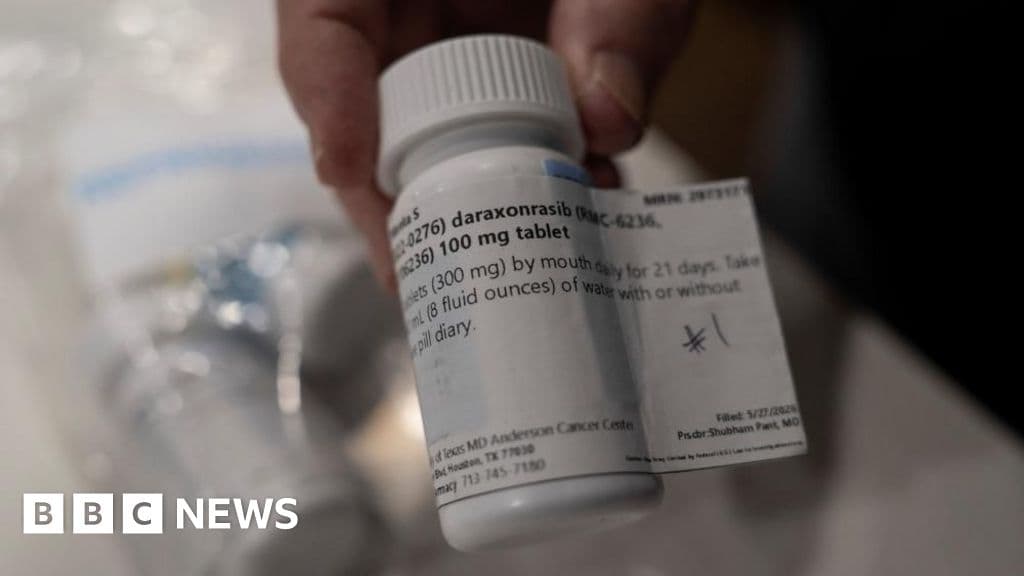
Discover how daraxonrasib, a new pill, is nearly doubling survival rates for pancreatic cancer patients, offering hope in a challenging battle against this deadly disease.
BBC Health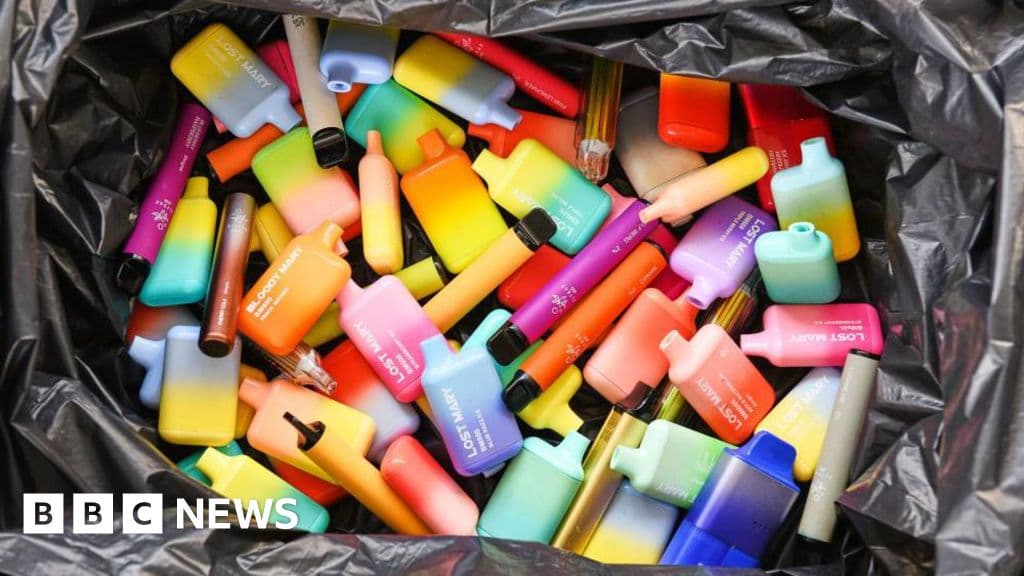
Waste companies propose a £5 deposit on vapes to encourage proper disposal and curb littering as the environmental impact of vapes increases.
BBC Business