
Image: BBC Health
A French passenger shows hantavirus symptoms after returning from a cruise, sparking urgent health measures and multiple evacuations across Europe.
GlipzoIn a developing health crisis, a French passenger returning from the MV Hondius, a cruise ship recently hit by a hantavirus outbreak, has exhibited symptoms of the disease. This alarming revelation was confirmed by Sébastien Lecornu, France's Prime Minister, during a press briefing. The passenger began showing symptoms while on a chartered flight from Tenerife to Paris, prompting health authorities to take immediate action.
The situation escalated as all five French citizens evacuated from the ship were placed in strict isolation until further evaluations can be conducted. This precaution comes in the wake of a tragic event where three passengers have died after traveling on the Hondius, two of whom have been confirmed to have contracted the virus.
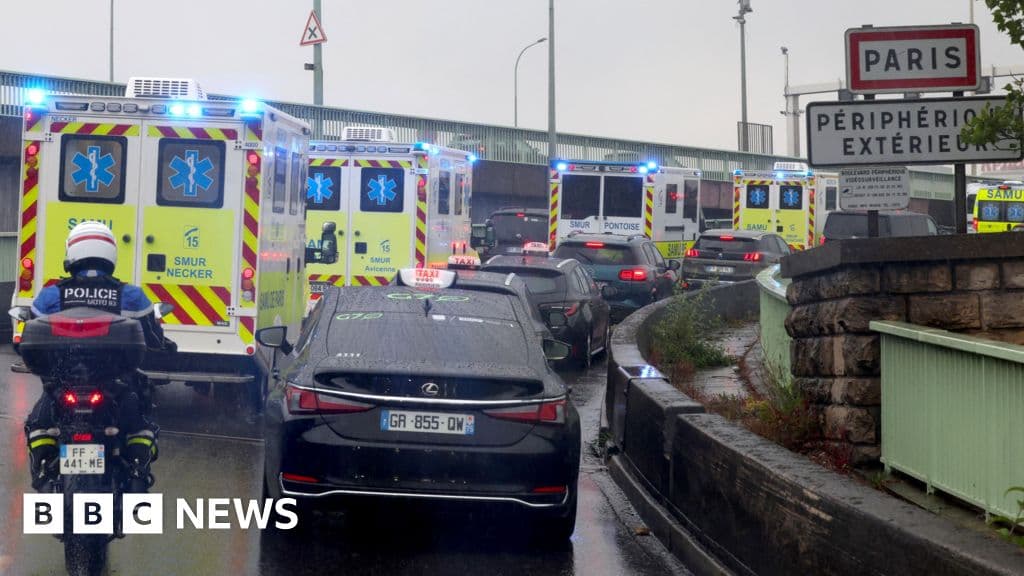
On Sunday, the French nationals were part of a larger group of over 90 tourists being repatriated from the Dutch vessel, which had been anchored off the Canary Islands. Upon arrival at Le Bourget Airport, they were met by officials clad in personal protective equipment (PPE), who swiftly transported them to Bichat Hospital in Paris. Here, they will undergo a 72-hour quarantine and thorough medical assessments before being required to self-isolate for 45 days.
In Spain, the situation is similarly critical, as 14 Spanish nationals were flown from Tenerife to Madrid and are now facing mandatory quarantine at a military facility. Meanwhile, British nationals have returned to Manchester without reported symptoms, although they are under observation by the UK Health Security Agency (UKHSA).
Additional evacuation efforts are underway for Turkish, US, and Irish citizens, with flights scheduled to bring them home. A plane carrying 26 passengers and crew members, including eight Dutch nationals, has already successfully landed in the Netherlands.
In total, 18 Americans and one British national have been included in the group returning to the US, as confirmed by Spanish Health Minister Mónica García. By the end of Sunday, health officials estimate that over 90 of the 150 passengers and crew from the Hondius will have been successfully evacuated. A flight for Australian citizens is planned for Monday, indicating the urgency of the situation.
The Hondius had dropped anchor in the port of Granadilla earlier on Sunday, where medical teams boarded to initiate the careful evacuation process, a strategy coordinated by the Spanish government and the World Health Organization (WHO). Passengers aboard the ship were seen wearing white medical face masks as they wandered the deck, awaiting their turn to disembark.
Despite the serious nature of the outbreak, some passengers displayed a sense of relief and optimism, waving and giving thumbs-up signs to the media as they were transported to the airport. However, local officials, including the Canary Islands' regional president, expressed concerns about the potential for the virus to spread to Tenerife.
Hantaviruses are typically transmitted by rodents, with the Andes strain being particularly concerning in this instance. The WHO has indicated that some passengers likely contracted the virus while traveling in South America. Symptoms of hantavirus infection can manifest as: - Fever - Extreme fatigue - Muscle aches - Stomach pain - Vomiting - Diarrhea - Shortness of breath
The first reported passenger death linked to the outbreak occurred on April 11, followed by another on May 2. A 69-year-old Dutch woman, who disembarked in St Helena on April 24, tragically passed away in South Africa two days later. Additionally, two British men with confirmed cases are currently receiving treatment in the Netherlands and South Africa, while a third British national is being treated for a suspected case on the remote island of Tristan da Cunha.
As the situation evolves, British nationals returning to the UK will be taken to an isolation facility for up to 72 hours. Medical teams will conduct assessments to determine if they can safely self-isolate at home or if further measures are necessary. The rapid response to this outbreak underscores the global health community's commitment to controlling the spread of infectious diseases.
This outbreak highlights the interconnectedness of global public health and the importance of rapid response protocols in the face of emerging infectious diseases. As the situation continues to develop, it is critical for health agencies worldwide to monitor the situation closely and ensure that effective containment measures are in place. The implications of this outbreak could resonate far beyond the immediate crisis, affecting travel, tourism, and international health policies moving forward.
In the coming days and weeks, we will need to pay close attention to further updates from health officials regarding case numbers, treatment protocols, and preventative measures as nations grapple with the reality of this hantavirus outbreak.
Shocking findings from Nottingham's maternity unit reveal a toxic culture and alarming neglect. What can be done to improve care? Discover the details.
BBC Health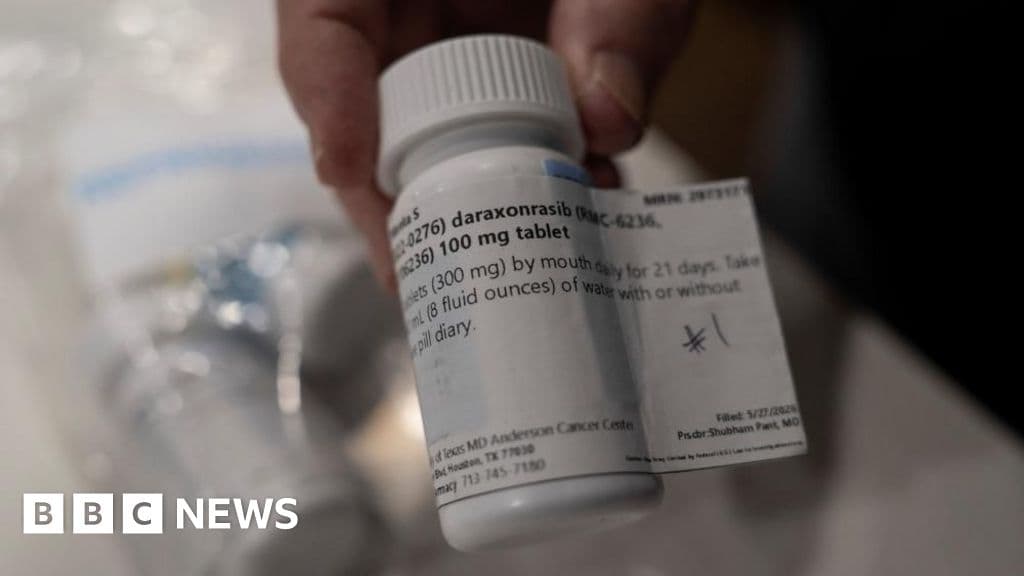
Discover how daraxonrasib, a new pill, is nearly doubling survival rates for pancreatic cancer patients, offering hope in a challenging battle against this deadly disease.
BBC Health
Waste companies propose a £5 deposit on vapes to encourage proper disposal and curb littering as the environmental impact of vapes increases.
BBC Business