
Image: BBC Business
Graduates boo Eric Schmidt's AI speech at the University of Arizona, reflecting growing fears about automation's impact on jobs and education.
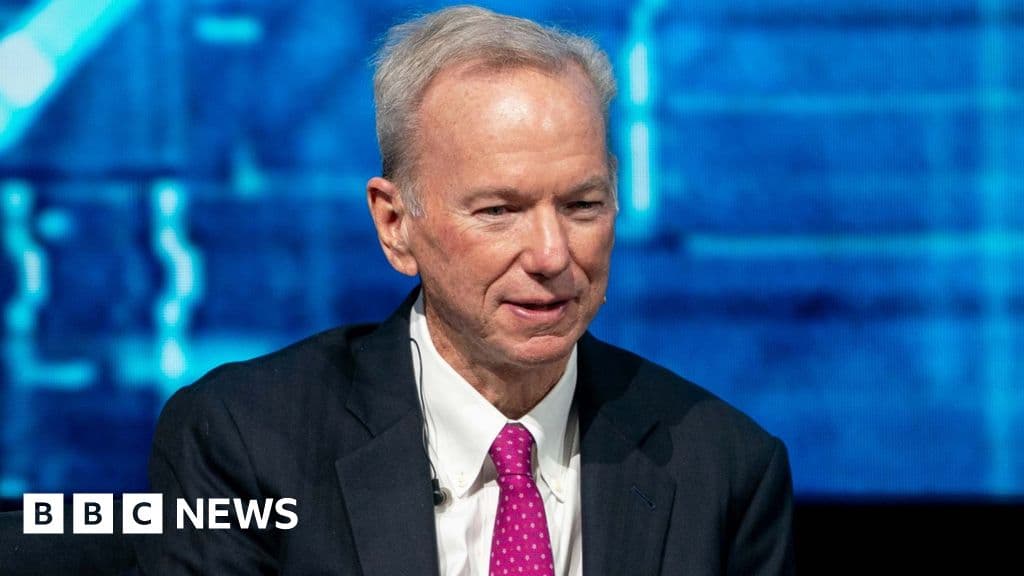
GlipzoIn a dramatic turn of events, Eric Schmidt, the former CEO of Google, experienced a wave of boos during his address at the University of Arizona graduation ceremony on May 12, 2023. Schmidt's speech centered on the rapid evolution of artificial intelligence (AI) and its implications for the future workforce. His remarks, which drew comparisons between today’s AI advancements and the computer revolution of the 1980s, were met with audible disapproval from the graduating class, highlighting the growing anxiety surrounding AI's impact on job prospects and educational values.
“I know what many of you are feeling about that. I can hear you,” Schmidt acknowledged, as the crowd voiced their discontent. This backlash illuminates a broader trend on college campuses where discussions about AI are increasingly met with skepticism and hostility.
As the landscape of work continues to change, a recent poll indicates that many students perceive AI as both a threat to their professional futures and a barrier to intellectual growth. This sentiment is shaping their academic choices and career aspirations, raising vital questions about the direction of higher education.
In his address, Schmidt recognized the validity of their fears, stating that their concerns about AI’s impact on employment are “rational.” However, he urged graduates to embrace the technology rather than resist it, emphasizing that “AI will shape the world.” His call to action was clear: students must consider how they can influence the development and ethical use of AI technologies.
“The future is not yet finished. It is now your turn to shape it,” Schmidt asserted, reminding graduates that they hold the power to steer the course of AI technology.
Schmidt's experience is not an isolated incident. Earlier in May, Gloria Caulfield, a prominent real estate executive, faced similar resistance at the University of Central Florida when discussing AI's role in driving the next industrial revolution. As she spoke, she was interrupted by boos from the audience, indicating a palpable unease with the topic.
Scott Borchetta, CEO of Big Machine Records, also encountered jeers during his commencement address at Middle Tennessee State University when he suggested that graduates should simply “deal with” the rise of AI, framing it as a mere tool. This pattern of backlash highlights a significant divide between industry leaders advocating for technological adoption and students who are wary of its implications.
The tension surrounding AI has sparked a reevaluation among students regarding their fields of study. According to a report from the Lumina Foundation, many students are shifting away from traditional entry-level technology roles and statistical analysis. Instead, they are gravitating toward disciplines that emphasize critical thinking, communication, and human-centric skills. This shift reflects a desire to pursue careers that are less likely to be automated and more aligned with human interaction.
A Pew Research Center survey reveals that 50% of American adults express greater concern than excitement regarding the increasing integration of AI into everyday life. Only 10% of respondents feel more excited than concerned, suggesting a widespread unease about the rapid pace of technological change and its potential ramifications.
The growing anxiety surrounding AI’s influence on job prospects raises crucial questions about the future of work and education. As technology continues to advance, it is imperative for educational institutions, policymakers, and industry leaders to engage in constructive discussions about the ethical implications of AI, its potential to displace jobs, and the skills needed in an evolving job market.
As we look to the future, it is crucial for all stakeholders to foster an environment of open dialogue regarding AI. Educational institutions must adapt their curricula to prepare students for a future where AI plays a central role. At the same time, industry leaders should work collaboratively with educators to ensure that emerging technologies serve to enhance human potential rather than diminish it.
Ultimately, as the world grapples with the complexities of AI, the challenge lies in finding a balance that embraces technological progress while safeguarding the future of work and education. The voices of students will undoubtedly play a pivotal role in shaping this dialogue as they advocate for a future that prioritizes human values in the age of AI.
Amritsar student questions age-based ranking, prompting Punjab CM to reform PSEB policies. A significant change towards merit-based recognition is underway.
Indian Express
AP EAMCET 2026 results are out! Discover how to check your scorecard and navigate the upcoming counselling process for college admissions.
Indian Express
CBSE's new OSM system faces backlash as students struggle with re-evaluation. Will their futures be jeopardized by technical flaws?
Indian Express