

Image: Science Daily
Discover how stopping Ozempic and similar drugs impacts weight. New research reveals surprising results that challenge previous assumptions on weight regain.
GlipzoAs the popularity of injectable GLP-1 medications like semaglutide (Ozempic) and tirzepatide continues to rise, many patients and healthcare professionals are left wondering: What happens when individuals stop using these drugs? Recent research from the Cleveland Clinic sheds light on this critical question, revealing surprising insights that diverge from previous clinical trial results.
A comprehensive analysis involving nearly 8,000 patients indicates that discontinuing drugs such as semaglutide and tirzepatide does not necessarily lead to significant weight regain in real-world settings. This study, one of the largest of its kind, suggests that many patients either resume their medication or transition to alternative weight management strategies, significantly limiting potential weight gain.
The findings, published in the esteemed journal Diabetes, Obesity and Metabolism, provide valuable context to earlier randomized clinical trials, which reported that patients typically regained more than 50% of their lost weight within a year of stopping these medications. However, the new data from Cleveland Clinic presents a different narrative, suggesting that outcomes may vary in everyday clinical practice where patients enjoy greater flexibility in managing their treatment plans.
Hamlet Gasoyan, DS, Ph.D., MPH, who led the research at Cleveland Clinic's Center for Value-Based Care Research, emphasized the importance of these findings. "Our real-world data show that many patients who stop semaglutide or tirzepatide restart the medication or transition to another obesity treatment, which may explain why they regain less weight than patients in randomized trials," Dr. Gasoyan stated.
The retrospective cohort study focused on 7,938 adults diagnosed with overweight or obesity across Ohio and Florida. All participants began treatment with either semaglutide or tirzepatide for obesity or type 2 diabetes and subsequently ceased medication within a timeframe of three to twelve months. Researchers meticulously tracked the patients' subsequent treatment options and monitored changes in their weight over time.
While the majority of participants reported significant weight loss during their treatment, the outcomes varied significantly among individuals. This variability raises important questions about the factors influencing weight management after discontinuation.
The study also explored the reasons behind patients discontinuing their GLP-1 therapies. Previous research indicated that the two primary reasons are: - Cost or lack of insurance coverage - Side effects associated with the medications
Among these, financial barriers emerged as the most frequently cited issue. Interestingly, patients using the medications for type 2 diabetes were more likely to restart their treatments compared to those utilizing them strictly for obesity. This trend appears to correlate with more consistent insurance coverage for diabetes-related prescriptions, highlighting the impact of healthcare access on treatment continuity.
After stopping their initial GLP-1 medications, many patients sought out other approaches to manage their weight. The study found that a significant number explored alternative weight management strategies, underscoring the importance of continued support for individuals navigating their obesity treatment journeys.
Dr. Gasoyan remarked, "Many patients do not give up on their obesity treatment journey, even if they need to stop their initial medication. In our future work, we will examine the comparative effectiveness of alternative treatment options for obesity in patients who discontinue semaglutide or tirzepatide, to help patients and their clinicians make informed decisions."
The implications of this research are profound. Understanding that many patients successfully manage their weight after discontinuing GLP-1 medications challenges the narrative that stopping these drugs inevitably leads to weight regain. It emphasizes the critical need for ongoing, individualized care tailored to the specific needs of people managing obesity.
Healthcare providers must recognize that the journey toward effective weight management doesn't end with medication. Instead, creating a comprehensive support system that includes alternative treatment options and lifestyle interventions is vital for long-term success.
As researchers continue to explore the effectiveness of various treatments for obesity, it will be essential to watch for emerging strategies that can further empower patients in their weight management efforts. The evolving landscape of obesity treatment underscores the significance of patient-centered care that adapts to individual needs and circumstances.
In conclusion, this new study from Cleveland Clinic not only sheds light on the real-world implications of discontinuing GLP-1 medications but also paves the way for future research aimed at enhancing patient outcomes in the fight against obesity. As we look ahead, continued investigation into alternative treatment approaches will be critical in helping patients achieve and maintain their weight loss goals effectively.
Shocking findings from Nottingham's maternity unit reveal a toxic culture and alarming neglect. What can be done to improve care? Discover the details.
BBC Health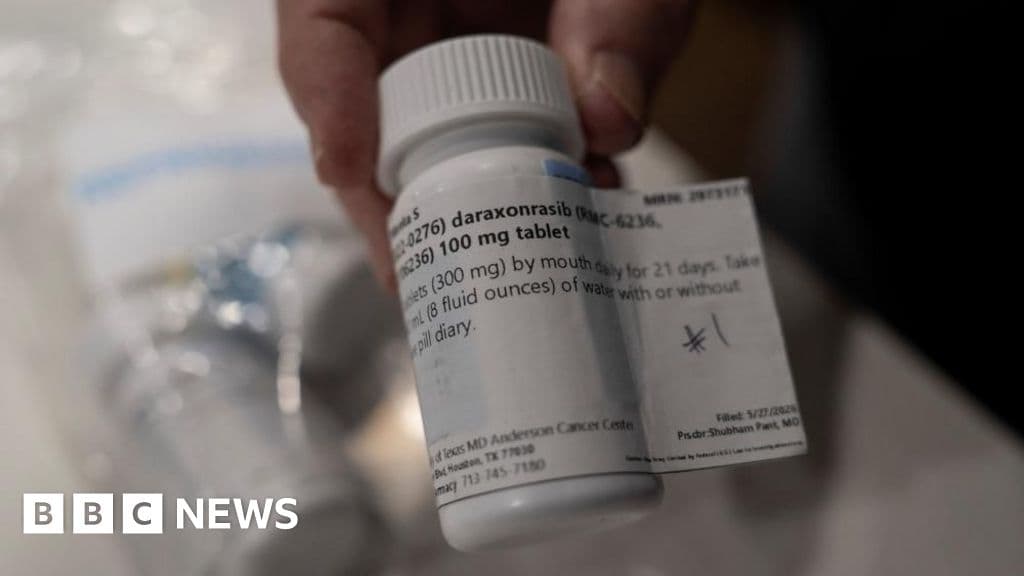
Discover how daraxonrasib, a new pill, is nearly doubling survival rates for pancreatic cancer patients, offering hope in a challenging battle against this deadly disease.
BBC Health
Waste companies propose a £5 deposit on vapes to encourage proper disposal and curb littering as the environmental impact of vapes increases.
BBC Business