
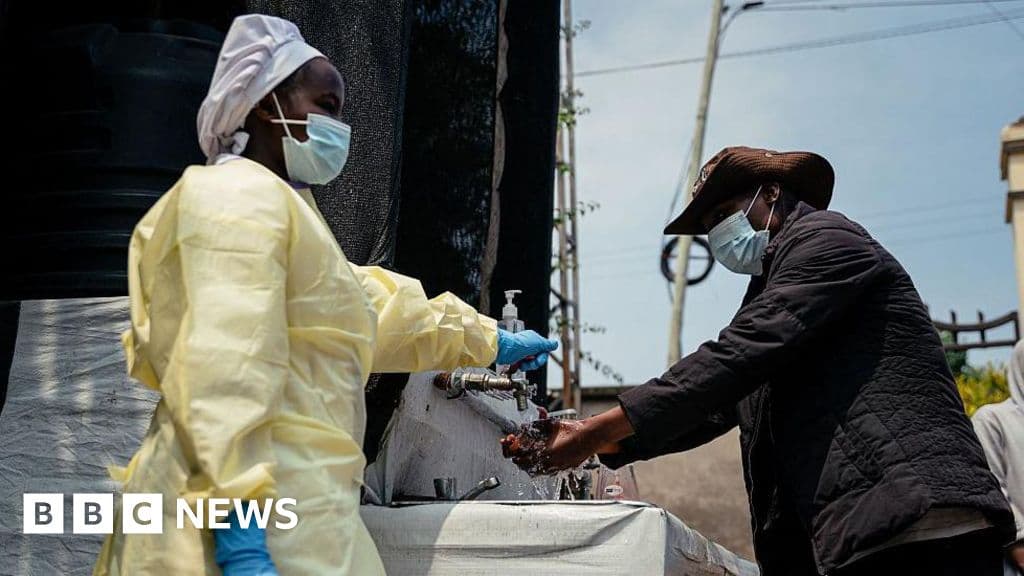
Image: BBC World
An alarming Ebola outbreak in DR Congo has led to over 100 deaths. What measures are being taken to combat this health crisis? Read more.
GlipzoIn a harrowing development, the Democratic Republic of Congo (DR Congo) is grappling with a severe Ebola outbreak, which has resulted in at least 100 fatalities and over 390 suspected cases. Jean Kaseya, the head of the Africa Centres for Disease Control and Prevention, disclosed these alarming figures in an interview with the BBC.
Kaseya emphasized the urgency of adhering to public health measures, especially during funerals of those who succumbed to the virus. With no approved treatments or vaccines available, he cautioned that the situation could escalate if precautions are not taken seriously.
Additionally, the U.S. Centers for Disease Control and Prevention (CDC) has reported two confirmed cases in Uganda, including one death. This cross-border spread raises concerns about a wider outbreak in the region.
The outbreak has prompted the World Health Organization (WHO) to classify the situation as a public health emergency of international concern. The current strain, known as the Bundibugyo virus, has raised alarms not only in DR Congo but also beyond its borders.
Among those affected is an American doctor working in DR Congo, who has been confirmed to have contracted the virus. The medical missionary organization involved, along with the CDC, confirmed that this individual will be evacuated to Germany for treatment. Sources indicate that at least six other Americans may have been exposed during this outbreak.
The CDC is actively facilitating the safe withdrawal of these Americans and is reportedly coordinating transport to a quarantine facility, potentially at a U.S. military base in Germany. However, details regarding the exact number of affected individuals remain scarce, as the agency has opted not to disclose specifics during recent press conferences.
In light of the outbreak, the U.S. government has issued a Level Four travel advisory, its highest alert level, strongly advising against travel to DR Congo. The CDC has reassured the public that the risk to the United States remains relatively low but is implementing rigorous preventive measures to keep the virus at bay. These measures include: - Enhanced monitoring of travelers from affected regions. - Entry restrictions for non-U.S. passport holders who have been in Uganda, DR Congo, or South Sudan within the last 21 days. - Increased cooperation with airlines for contact tracing of passengers. - Strengthened testing and hospital readiness in anticipation of potential cases.
This current outbreak is reminiscent of the devastating Ebola epidemic that occurred from 2014 to 2016, which resulted in over 28,600 infections and claimed the lives of 11,325 individuals across several countries, including Guinea, Sierra Leone, and even the United States and United Kingdom. The scale of that epidemic underscored the need for robust public health infrastructure and rapid response strategies.
Kaseya highlighted the critical need for community awareness, particularly regarding funeral practices, which have historically been a significant factor in the spread of the virus. “We don’t want people infected because of funerals,” Kaseya stated, urging communities to adopt safer practices to prevent further transmission.
The WHO has called for cross-border screenings between DR Congo and Uganda to mitigate the risk of the virus spreading. Neighboring countries, like Rwanda, have announced plans to tighten border screenings as a precautionary measure. Nigeria has also indicated that it is closely monitoring the situation, emphasizing the importance of preparedness in the face of potential regional outbreaks.
As the situation develops, health officials are warning that this could evolve into a much larger outbreak than currently reported, stressing the need for immediate action and international cooperation.
Looking forward, the international community must remain vigilant in monitoring this crisis. The CDC and WHO are expected to maintain their focus on outbreak containment and public education. Here are some crucial points to consider: - The need for global cooperation in vaccine development and research on effective treatments. - Continuous surveillance in affected and at-risk regions to prevent further spread. - Engagement with local communities to ensure understanding of safe practices during funerals and daily life.
In conclusion, as the DR Congo faces this critical health emergency, the global response will be pivotal in controlling the outbreak and safeguarding public health. Continued attention to the evolving situation will be essential, as health officials strive to prevent the resurgence of a crisis similar to the devastating Ebola outbreaks of the past.

Shocking findings from Nottingham's maternity unit reveal a toxic culture and alarming neglect. What can be done to improve care? Discover the details.
BBC Health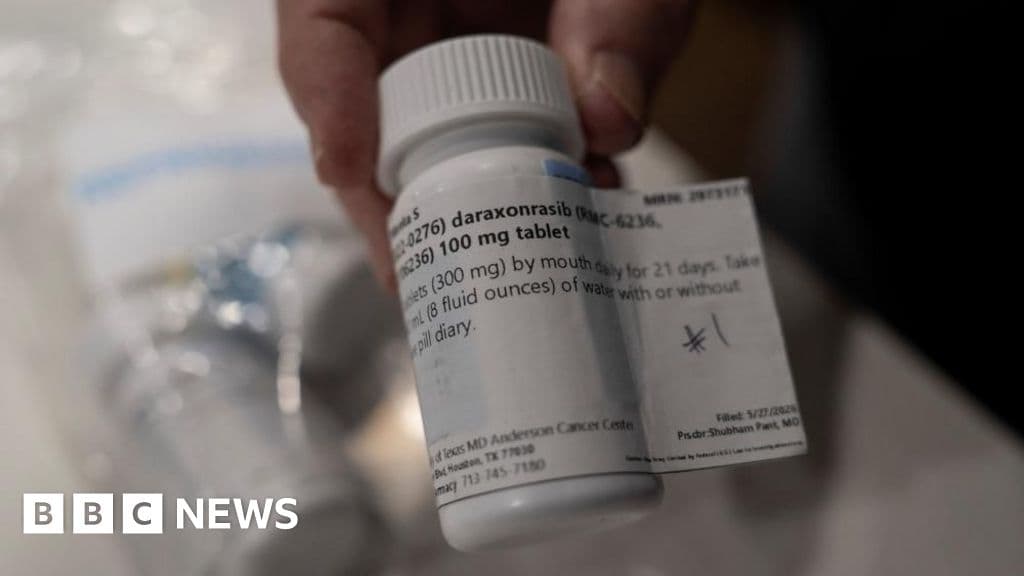
Discover how daraxonrasib, a new pill, is nearly doubling survival rates for pancreatic cancer patients, offering hope in a challenging battle against this deadly disease.
BBC Health
Waste companies propose a £5 deposit on vapes to encourage proper disposal and curb littering as the environmental impact of vapes increases.
BBC Business