Discover how Y chromosome loss in aging men is linked to serious health risks, including heart disease and cancer. What does this mean for your health?
Understanding Y Chromosome Loss in Aging Men
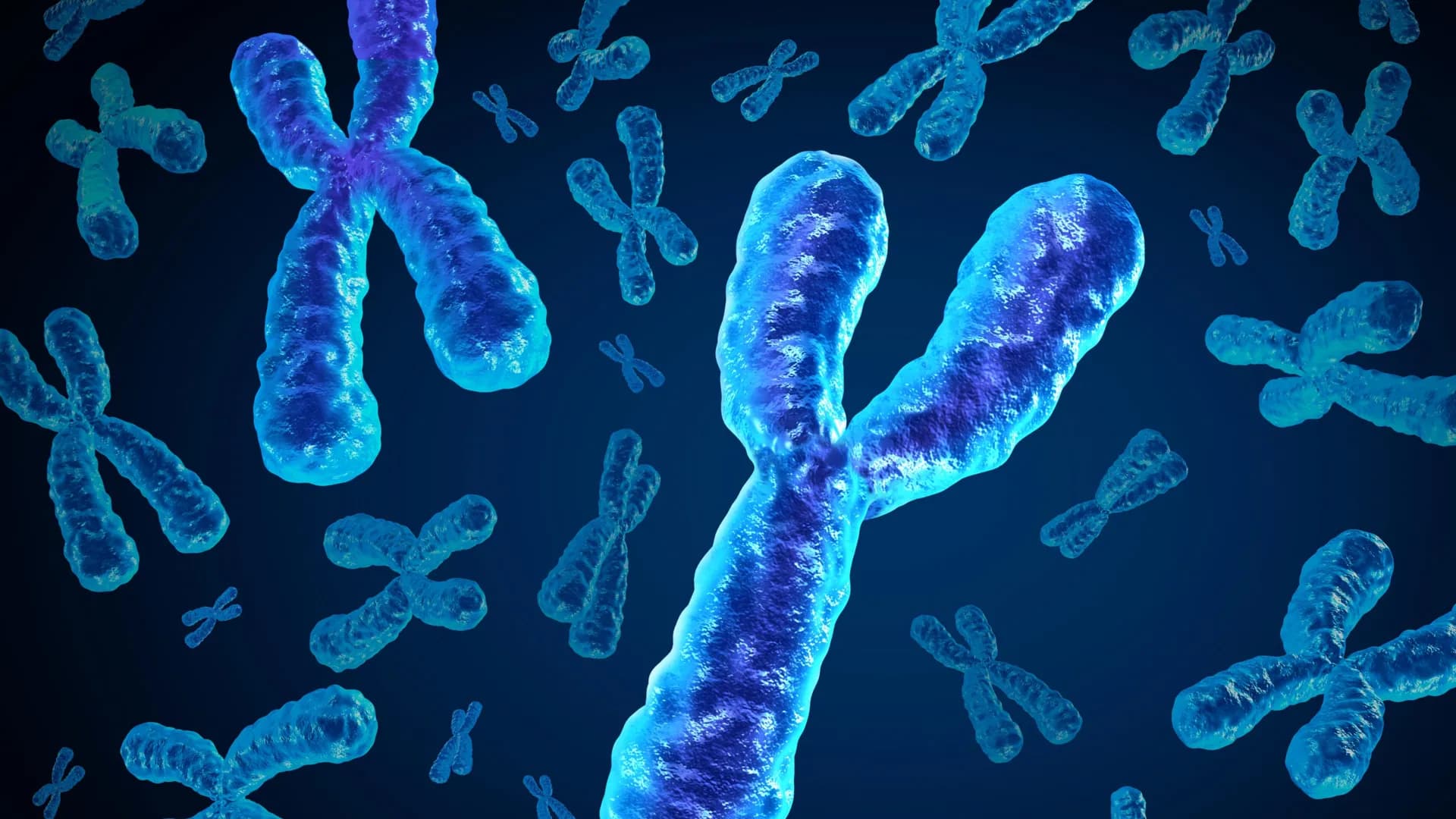
As men age, an intriguing and concerning phenomenon occurs: the gradual loss of the **Y chromosome** in their cells. Initially, scientists believed this change would have minimal health implications due to the Y chromosome's limited number of genes, mainly linked to male development. However, recent research is challenging that notion, indicating that this chromosomal loss is not just a benign process but may be connected to serious health risks and a potentially shorter lifespan.
Researchers have found that the prevalence of Y chromosome loss increases significantly with age, raising questions about its impact on men's overall health. Approximately 40% of men in their 60s exhibit some degree of Y chromosome loss, and this figure climbs to 57% by the time they reach 90. Factors such as smoking and exposure to carcinogens can exacerbate this condition, making it increasingly important to understand its implications.
Mosaicism: The Duality of Cell Composition
The loss of the Y chromosome does not occur uniformly across all cells in the body. Instead, it leads to a state known as **mosaicism**, where a mix of cells exists—some retaining the Y chromosome while others do not. Once a cell loses the Y chromosome, all of its subsequent copies will also lack it. Laboratory studies have indicated that these Y-deficient cells may exhibit accelerated growth compared to their normal counterparts, potentially giving them a competitive edge in tissues and even in tumors.
The Y chromosome is particularly susceptible during cell division. During this process, it can be inadvertently excluded from the newly formed cells and left behind in a small membrane-bound structure that is eventually discarded. This vulnerability makes tissues with rapid cell division more prone to accumulating Y chromosome loss, underscoring its significance in cellular health.
The Unique Role of the Y Chromosome
Surprisingly, the human **Y chromosome** is quite distinct. It contains only **51 protein-coding genes**, significantly fewer than the thousands found on other chromosomes. While it plays crucial roles in determining male sex and supporting sperm production, it was historically believed to have limited functions beyond these aspects. In various laboratory settings, cells have been shown to survive even after losing the Y chromosome, leading to the misconception that its loss is inconsequential.
Interestingly, the Y chromosome has been undergoing a gradual reduction for approximately 150 million years in mammals, and in certain species, it has completely vanished and been replaced by alternative genetic structures. This evolutionary history contributed to the earlier belief that losing the Y chromosome later in life was trivial. However, emerging evidence tells a different story.
Health Risks Associated with Y Chromosome Loss
Recent findings have established a strong correlation between Y chromosome loss and several serious health conditions. Researchers have linked this chromosomal loss to an array of diseases, including:
- **Cardiovascular Disease**: Men exhibiting higher levels of Y loss in kidney cells are at an increased risk of kidney disease. Larger population studies have confirmed that older men with more Y-deficient cells have a higher likelihood of experiencing heart attacks.
- **Neurodegenerative Disorders**: The connection between Y chromosome loss and diseases like **Alzheimer's** has been substantiated, with studies indicating that individuals with Y loss face worse outcomes.
- **Cancer**: This chromosomal deficiency is frequently observed in various cancers and is associated with poorer survival rates among patients. Cancer cells often display Y chromosome loss alongside other genetic abnormalities.
Additionally, research has indicated that men with Y chromosome loss may experience worse outcomes from infections like COVID-19, potentially explaining higher mortality rates among men during the pandemic. The implications of these findings are profound, suggesting that the absence of the Y chromosome may have far-reaching consequences for men's health as they age.
Is Y Chromosome Loss a Cause or a Consequence?
One of the critical questions surrounding Y chromosome loss is whether it directly causes health issues or if it merely coincides with other underlying conditions. In certain instances, illnesses or the need for tissue repair can trigger increased cell division, subsequently heightening the risk of losing the Y chromosome.
Genetic predispositions also appear to influence the likelihood of Y chromosome loss. Approximately one-third of the variability in Y chromosome loss can be attributed to genetic factors, involving around 150 genes linked to cell cycle regulation and cancer susceptibility. However, experimental research has suggested a more direct link: studies involving mice revealed that those receiving Y-deficient blood cells developed more age-related ailments, including diminished heart function and eventual heart failure.
The Potential Role of Y Chromosome Loss in Cancer
Evidence is mounting that Y chromosome loss could significantly impact cancer progression. In particular, it may facilitate tumor growth and aggressiveness, highlighting the need for further investigation into how this loss interacts with other genetic factors in cancer biology. Understanding these relationships could lead to new therapeutic strategies aimed at mitigating the health risks associated with Y chromosome loss.
What Lies Ahead?
As research continues to delve deeper into the intricacies of Y chromosome loss, the focus will likely shift toward understanding its role in aging and disease progression. Key areas of interest include:
- **Developing screening methods**: Identifying men at higher risk for conditions linked to Y chromosome loss could lead to targeted interventions.
- **Investigating genetic influences**: Further research into the genetic factors contributing to Y chromosome loss may uncover new avenues for treatment.
- **Exploring therapeutic options**: Understanding how Y chromosome loss impacts cancer behavior could pave the way for novel cancer therapies.
In conclusion, the implications of Y chromosome loss in aging men extend far beyond mere genetics. As research unfolds, it becomes increasingly clear that this chromosomal change may be a significant factor in various health challenges, urging the need for awareness and potential interventions to enhance men's health as they age.