
Image: Indian Express
Discover how smoking could lead to a shocking diabetes diagnosis and what it means for your health. Learn the critical connection now.
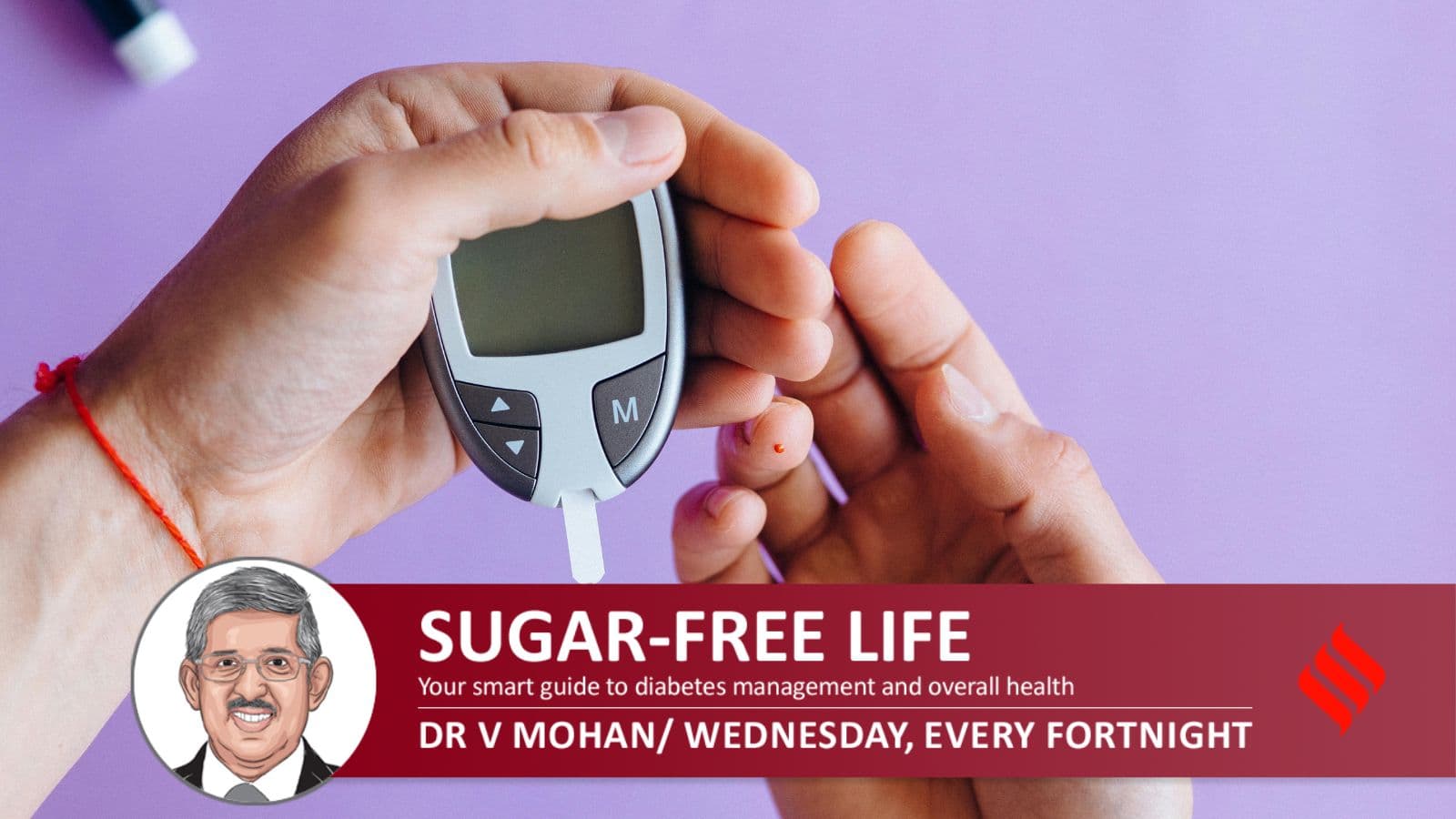
GlipzoIn a startling turn of events, Ramesh, a 45-year-old resident of Chennai, discovered an unexpected health crisis after years of living with what he believed was a manageable lifestyle. Having smoked for over 15 years and considering himself relatively healthy, Ramesh's life took a significant detour when he was diagnosed with uncontrolled Type 2 diabetes. This revelation came during a routine health screening at his workplace, which revealed alarmingly high blood sugar levels, leaving him shocked and questioning how his smoking habit could have contributed to such a severe condition.
While many are aware of the dangers of smoking, including risks of lung disease and heart complications, fewer recognize its insidious role in metabolic disorders like diabetes. Ramesh's story serves as a crucial reminder of the often-overlooked relationship between smoking and diabetes, a connection supported by growing evidence that highlights the need for greater awareness.
The implications of Ramesh's diagnosis extend beyond his personal experience. Research indicates that smoking can significantly accelerate insulin resistance, a primary factor in the development of Type 2 diabetes. When nicotine enters the body, it disrupts the process of insulin use, preventing glucose from effectively reaching the cells that need it for energy. This disruption forces the pancreas to produce more insulin over time, leading to elevated blood sugar levels and, ultimately, diabetes.
Furthermore, smoking has been linked to chronic inflammation, which damages blood vessels and exacerbates metabolic disorders. This inflammatory response creates a cycle that promotes the development of diabetes, making it a pressing health issue that deserves attention.
The ramifications of smoking extend well beyond initial diagnosis. For those already diagnosed with diabetes, smoking complicates disease management significantly. Research shows that smokers face greater challenges in maintaining stable blood sugar levels, even with medication. The narrowing of blood vessels due to smoking further exacerbates the cardiovascular issues commonly associated with diabetes, increasing the likelihood of serious complications like heart attacks and strokes.
Additionally, poor circulation—a common consequence of smoking—heightens the risk of foot ulcers and infections, which can be life-threatening for those with diabetes. In clinical settings, the outcomes for diabetic smokers are noticeably poorer than for their non-smoking counterparts, necessitating more intensive treatment and monitoring.
The early signs of diabetes—such as fatigue, excessive thirst, and frequent urination—can easily be mistaken for other issues like stress or aging. Consequently, many individuals do not seek medical advice until their condition has worsened, as was the case for Ramesh.
The relationship between smoking and diabetes may be alarming, but it is not without hope. Individuals like Ramesh can still take significant steps towards improving their health. Quitting smoking is the most impactful change one can make to reduce the risk of developing diabetes or managing it more effectively if diagnosed.
Here are some actionable steps individuals can take: - Seek Support: Joining smoking cessation programs can provide the necessary resources and encouragement to quit. - Regular Screenings: Routine health check-ups can help catch early signs of diabetes and other related conditions. - Adopt a Healthy Lifestyle: Incorporate regular physical activity and a balanced diet to enhance overall metabolic health. - Stay Informed: Educate oneself about the risks of smoking and its connection to chronic diseases, empowering individuals to make healthier choices.
As we move forward, it is crucial that health professionals and public health campaigns address the often-ignored relationship between smoking and diabetes. Greater awareness can lead to preventive measures, early diagnosis, and healthier lifestyle choices among populations at risk. Ramesh’s story exemplifies the pressing need for education about smoking's hidden dangers, particularly regarding metabolic health.
As more data emerges, we should expect to see shifts in how smoking is portrayed in public health messaging, emphasizing not only the respiratory dangers but also the critical links to diabetes and other metabolic disorders. This holistic approach could significantly impact public health outcomes, helping individuals lead longer, healthier lives free from the complications associated with smoking and diabetes.

Shocking findings from Nottingham's maternity unit reveal a toxic culture and alarming neglect. What can be done to improve care? Discover the details.
BBC Health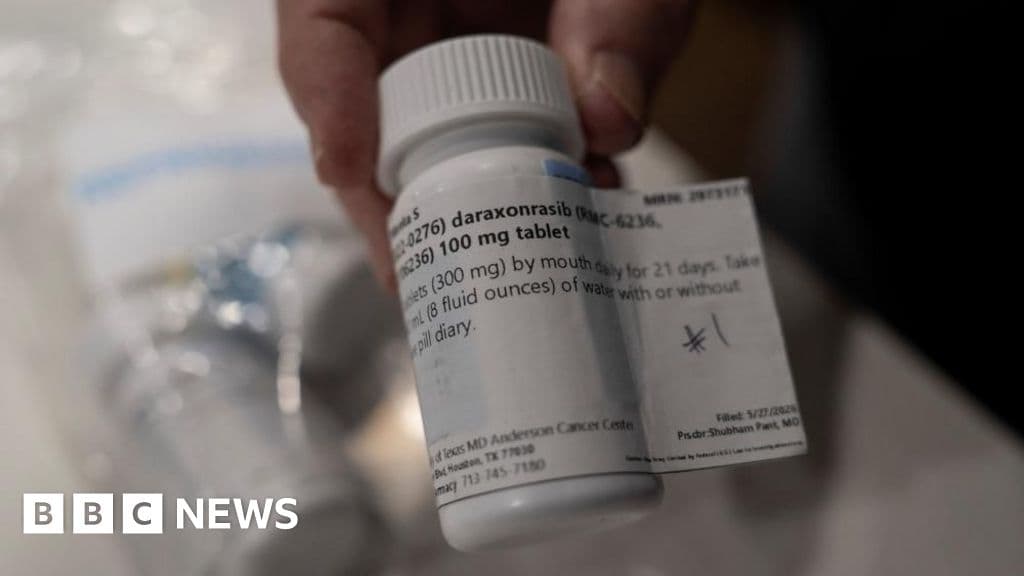
Discover how daraxonrasib, a new pill, is nearly doubling survival rates for pancreatic cancer patients, offering hope in a challenging battle against this deadly disease.
BBC Health
Waste companies propose a £5 deposit on vapes to encourage proper disposal and curb littering as the environmental impact of vapes increases.
BBC Business