

Image: BBC Health
UK's healthy life expectancy has fallen by two years, highlighting health disparities and economic implications. What does this mean for the future?
GlipzoA recent report has brought to light a troubling trend in the UK: healthy life expectancy (HLE) has decreased by nearly two years over the last decade, now standing at just below 61 years for both men and women. This alarming decline positions the UK among only five of the wealthiest 21 nations experiencing a decrease in HLE, with the UK's drop being the second steepest.
The analysis, commissioned by the Health Foundation, signals a critical moment for policymakers, highlighting significant economic implications associated with deteriorating health conditions. Factors such as poverty, inadequate housing, and unhealthy lifestyles—including rising obesity rates—are identified as key contributors, further exacerbated by the fallout from the Covid pandemic.
The data, which compares statistics from 2012-2014 to those from 2022-2024, underscores the stark contrast in health outcomes based on socioeconomic status. Individuals residing in the wealthiest 10% of areas can expect to enjoy approximately 20 more years of good health than their counterparts in the poorest regions.
Interestingly, London is the only region to report an improvement in HLE during this period, highlighting a significant gap between urban and rural health outcomes. In fact, more than 90% of areas in the UK now report HLE figures that fall below the state pension age of 66 or 67, with 10% of regions showing HLE under 55 years.
The implications of this decline extend beyond individual suffering; they reflect a larger economic challenge. The report emphasizes that poor health is a significant driver behind a growing number of individuals being unable to work. This aligns with other statistics indicating high rates of unemployment due to health-related issues.
According to Andrew Mooney, principal data analyst at the Health Foundation, the UK’s rising obesity levels—the highest in Western Europe—coupled with increasing rates of mental health issues, particularly among the youth, are creating a pressing economic burden.
Mooney stated, “This situation is locking young people out of education, employment, and training opportunities, which compounds the problem.”
When comparing the UK’s HLE on a global scale, the situation appears even more dire. As per data from the World Health Organization, the UK ranks 20th out of 21 among its peers in Western Europe, North America, and Oceania, with only the United States reporting lower healthy life expectancy figures.
This data points towards an urgent need for action, as the Health Foundation urges policymakers to recognize the alarming decline in public health as a wake-up call. The overall life expectancy, however, has remained relatively stable, which raises questions about the sustainability of health systems if healthy life years continue to dwindle.
Dr. Layla McCay, policy director at the NHS Alliance, echoed the report’s findings, emphasizing that health inequalities are profoundly affecting communities, particularly those in deprived areas. She noted, “Too many individuals are spending more years in poor health, and the solution must prioritize prevention.”
To address these disparities, McCay advocates for a focus on: - Tackling the wider determinants of health. - Strengthening community-based health care. - Improving access to support services closer to home.
The decline in healthy life expectancy in the UK is not just a statistic; it reflects deeper societal issues that require immediate and sustained attention. As health disparities widen, the effects ripple through the economy, workforce, and the very fabric of communities.
What’s next? Policymakers must prioritize health equity and invest in preventive measures to reverse this trend. As discussions around public health evolve, it will be crucial to monitor the effectiveness of interventions aimed at improving HLE among all socioeconomic groups. The future of the nation’s health hangs in the balance, and proactive measures could pave the way for a healthier, more equitable society.
As the UK grapples with the implications of this alarming trend, the focus must shift towards actionable solutions that address the root causes of declining health. The Health Foundation's report serves as a critical reminder that the health of a nation is a shared responsibility that requires collective effort and commitment.
In the coming months, stakeholders will need to watch for policy changes that reflect these urgent needs, as well as the community responses aimed at fostering a healthier population for generations to come.

Shocking findings from Nottingham's maternity unit reveal a toxic culture and alarming neglect. What can be done to improve care? Discover the details.
BBC Health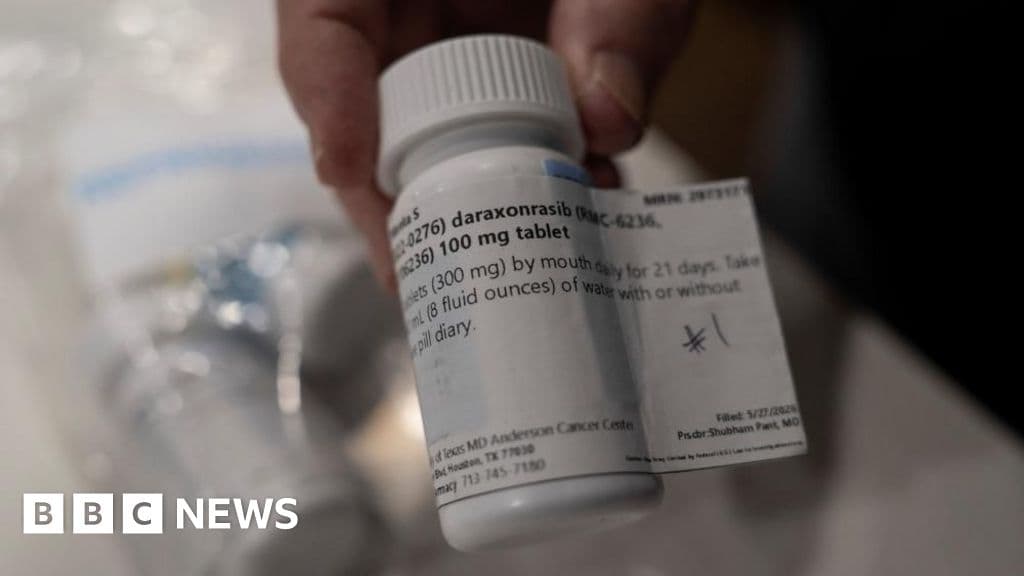
Discover how daraxonrasib, a new pill, is nearly doubling survival rates for pancreatic cancer patients, offering hope in a challenging battle against this deadly disease.
BBC Health
Waste companies propose a £5 deposit on vapes to encourage proper disposal and curb littering as the environmental impact of vapes increases.
BBC Business