
Image: BBC World
Nine police officers in India receive death sentences for the brutal custody deaths of a father and son, sparking nationwide outrage and calls for reform.
GlipzoIn a landmark ruling that has reverberated across India, nine police officers have received death sentences for their involvement in the brutal deaths of a father and son during their custody in 2020. The shocking verdict was handed down in a Tamil Nadu court, emphasizing the dire need for accountability within law enforcement agencies in the country.
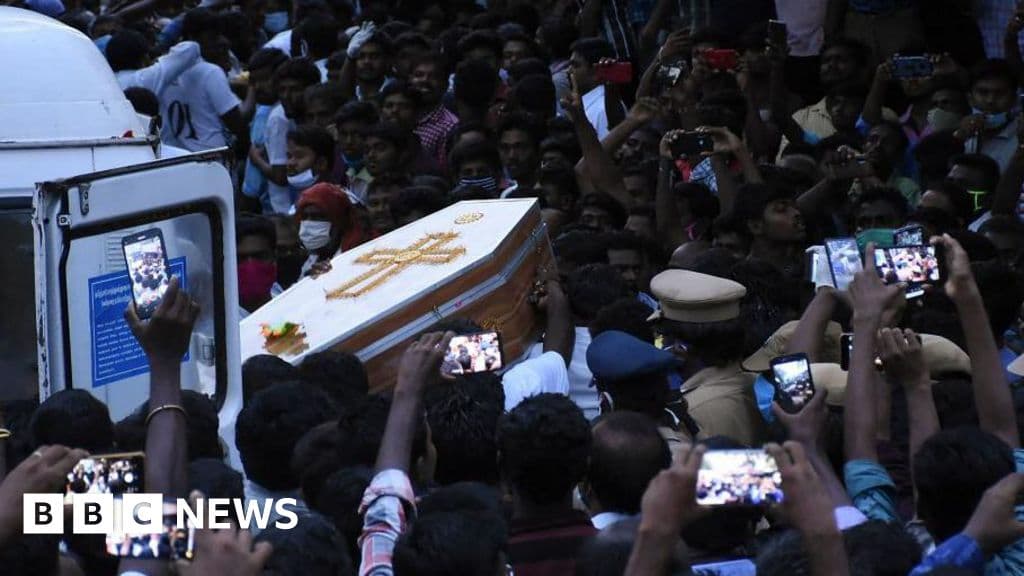
P. Jeyaraj, 58, and his son Benicks, 38, were detained by police for allegedly violating lockdown regulations by keeping their mobile phone store open amid the Covid-19 pandemic. The appalling events unfolded just days after their arrest, leading to their untimely deaths in custody—a stark reminder of the issues plaguing India's police system.
The court revealed the chilling details surrounding the deaths of Jeyaraj and Benicks, stating that the two were subjected to severe physical abuse, including being stripped and brutally beaten in front of one another. The presiding judge characterized the officers' actions as a blatant abuse of power, indicating that the assailants acted with the intent to kill.
> "They attacked unarmed people. They should not be forgiven," stated the judge during sentencing.
The case has sparked outrage across the nation, with many citizens and activists calling for systemic reforms to prevent such atrocities from recurring in the future.
The deaths of Jeyaraj and Benicks have not only highlighted the specific brutality of this incident but have also shed light on a larger epidemic of police violence in India. Human rights organizations have documented that hundreds of individuals die while in police custody each year, often as a result of torture and abuse designed to extract confessions.
This horrific trend has led to increased scrutiny and calls for reform, both from domestic and international communities. Earlier this year, several United Nations experts urged India to undertake significant changes to its policing practices, advocating for alignment with international human rights standards.
The case has ignited public outrage and protests throughout Tamil Nadu, with opposition leaders and citizens demanding justice for Jeyaraj and Benicks. Prominent figures, including opposition leader Rahul Gandhi and Indian cricketer Shikhar Dhawan, took to social media to express their anger and call for accountability.
The widespread protests reflect a growing frustration with police brutality and the lack of accountability within the system, especially during a time when the pandemic has exacerbated societal tensions and inequalities.
Following their conviction for murder, the nine officers are entitled to appeal their sentences. This aspect of the judicial process is crucial, as it will determine whether justice truly prevails or if the systemic issues within law enforcement will continue to obstruct accountability.
The judge emphasized during sentencing that the officers' educational backgrounds should not mitigate their culpability, stating, "They should not be given lesser sentences based on their age or family background." This statement underscores the expectation that all individuals, regardless of their status, should be held to the same standards of justice.
This case represents more than just the sentencing of nine police officers; it is emblematic of a broader struggle against systemic injustice and abuse within India's law enforcement. The ruling serves as a potential turning point in the fight for human rights and accountability, reinforcing the need for law enforcement reform throughout the nation.
As public awareness of police brutality continues to grow, this incident may catalyze a larger movement demanding changes in policing practices and human rights protections across India.
In the coming months, observers will be keen to see how the appeals process unfolds for the convicted officers. Additionally, there is likely to be increased pressure on the Indian government to address the systemic issues within policing that allow for such abuses to occur.
With heightened scrutiny from both domestic and international communities, this case could potentially lead to significant changes in police practices, fostering a more accountable and transparent law enforcement system. As the public continues to demand justice, the spotlight will remain firmly on the Indian legal system and its commitment to safeguarding human rights for all citizens.

Tensions soar as the US and Iran engage in air strikes near the Strait of Hormuz, raising concerns over global oil supply and regional stability.
BBC World
Trump's international interventions face serious stalemates. What will this mean for U.S. foreign policy? Explore the critical challenges ahead.
Indian Express
Tehran denies resignation of President Masoud Pezeshkian amid claims of IRGC influence. What does this mean for Iran's political stability? Click to learn more!
Indian Express