
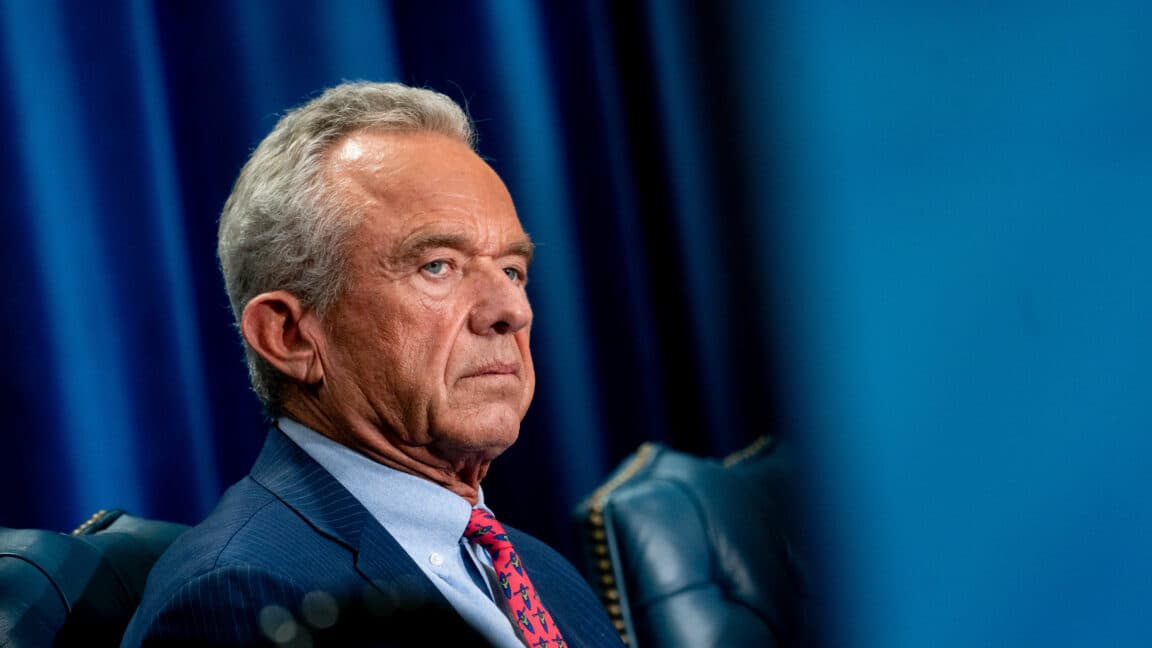
Image: Ars Technica
RFK Jr.'s radical overhaul of health advisory panels raises concerns for public health. Discover the implications of his actions and what’s next.
GlipzoIn a startling move that has sent shockwaves through the public health community, Robert F. Kennedy Jr., known for his long-standing opposition to vaccines, has dismantled a significant portion of the expert advisory panels at the Department of Health and Human Services (HHS). This unprecedented action has raised serious concerns about the future of health policy in the United States, particularly around vaccination guidelines and biomedical research.
In June, Kennedy took drastic measures by dismissing all 17 members of the CDC’s Advisory Committee on Immunization Practices (ACIP), a crucial body that shapes federal vaccination policy, influences insurance coverage, and determines state school vaccination requirements. His replacements predominantly consisted of individuals who share his anti-vaccine stance, raising alarms about potential biases in public health guidance. These newly appointed members held disorganized meetings, voting without scientific evidence to modify vaccine policies aligning with Kennedy's controversial views.
The blatant overhaul of ACIP did not go unnoticed. A federal judge recently intervened, issuing a temporary ban on the newly installed ACIP members and halting the anti-vaccine revisions they enacted. This legal action shines a light on the broader implications of Kennedy’s decisions, which are not confined to ACIP alone. A new report from Public Citizen reveals that under Kennedy’s leadership, a staggering 27 percent of HHS's 273 advisory committees have been terminated, totaling 75 panels.
The majority of these cuts occurred at the National Institutes of Health (NIH), where 49 advisory committees responsible for assessing scientific grant applications have been eliminated. According to a study by Johns Hopkins, the NIH has seen a 74 percent decrease in competitive or new award grants compared to previous years. This decline raises questions about the future of biomedical research and funding in the U.S.
The fallout from Kennedy’s actions extends far beyond ACIP. Significant committees that have been terminated include: - NIH Center for Scientific Review Advisory Council: Established in 1988, this council guided NIH leaders on fund allocation, although it did not evaluate grant applications directly. - CDC Advisory Committees: Alongside ACIP, nine other committees focused on critical public health issues were disbanded. - FDA Advisory Committees: Four committees, including those specializing in arthritis and medical imaging, were also cut.
Kennedy’s approach has sparked outrage, with experts warning that the cumulative effect of these terminations could severely undermine the health infrastructure in the United States.
The ramifications of Kennedy’s actions are profound. Advisory committees play a vital role in shaping health policy, ensuring that decisions are backed by scientific evidence and diverse expert opinions. The termination of panels focused on vital areas such as childhood vaccinations, Alzheimer’s disease, and health equity raises significant concerns about the future direction of health initiatives.
In January, HHS appointed 21 new members to the Interagency Autism Coordinating Committee, a panel dedicated to monitoring autism research. Alarmingly, at least eight of these appointees adhere to the discredited belief that vaccines cause autism, further amplifying fears of misinformation in public health communications. As a response, autism researchers and advocates have proactively formed a competing advisory group to counteract the anticipated spread of inaccurate information from the federal committee.
Kennedy's actions have prompted widespread criticism from health experts and advocates, who argue that undermining advisory committees threatens the integrity of biomedical research and public health policy. Michael Abrams, a senior researcher at Public Citizen, emphasized the gravity of the situation, stating, “All Americans, including patients, lawmakers, and scientists, have every right to be incensed at the damage Trump has done to federal health advisory committees.”
The dismantling of these expert panels is not just an administrative issue; it poses a direct threat to public health and safety. With fewer experts guiding health policies, the potential for scientifically unsupported decisions increases, which could lead to detrimental health outcomes for millions of Americans. The elimination of diverse viewpoints jeopardizes the comprehensive evaluation of health initiatives and research funding.
Looking ahead, the future of U.S. health policy hangs in the balance. As the legal battles over Kennedy’s changes unfold, the public and health community await the outcomes of ongoing investigations and court rulings. There’s a pressing need for advocacy and action to restore the integrity of federal health advisory committees and ensure they operate based on scientific evidence rather than political agendas.
The stakes are high, and stakeholders at all levels must remain vigilant. As the situation evolves, it will be critical to monitor how these changes affect public health initiatives and the overall quality of healthcare in the United States. The coming months will likely reveal whether Kennedy’s approach will lead to long-lasting damage or if a recalibration of expert guidance can restore balance to public health policy.
Shocking findings from Nottingham's maternity unit reveal a toxic culture and alarming neglect. What can be done to improve care? Discover the details.
BBC Health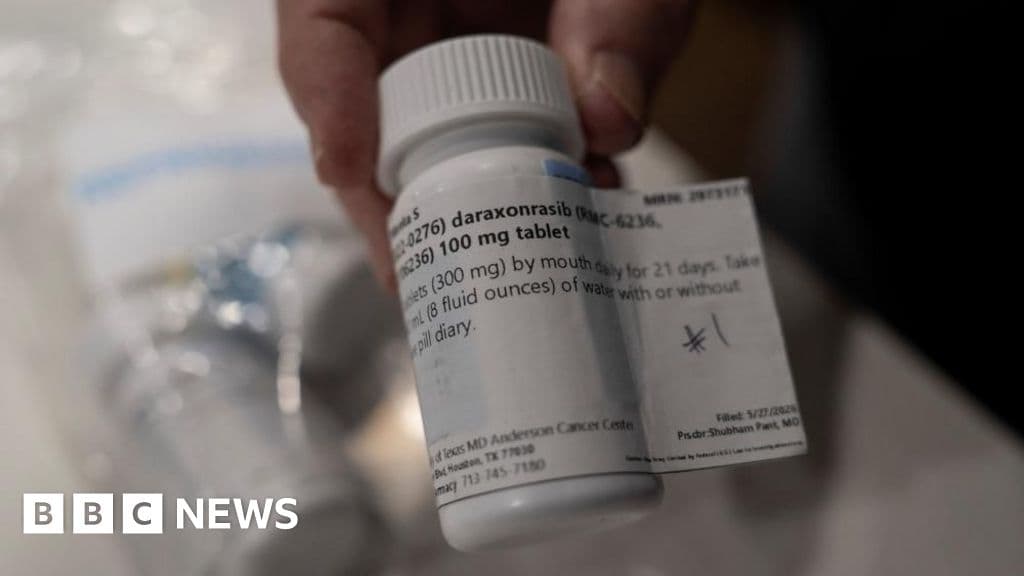
Discover how daraxonrasib, a new pill, is nearly doubling survival rates for pancreatic cancer patients, offering hope in a challenging battle against this deadly disease.
BBC Health
Waste companies propose a £5 deposit on vapes to encourage proper disposal and curb littering as the environmental impact of vapes increases.
BBC Business