
Image: BBC World
A shocking HIV outbreak in Taunsa, Pakistan, linked to unsafe syringe practices at a local hospital, raises urgent questions about healthcare safety.
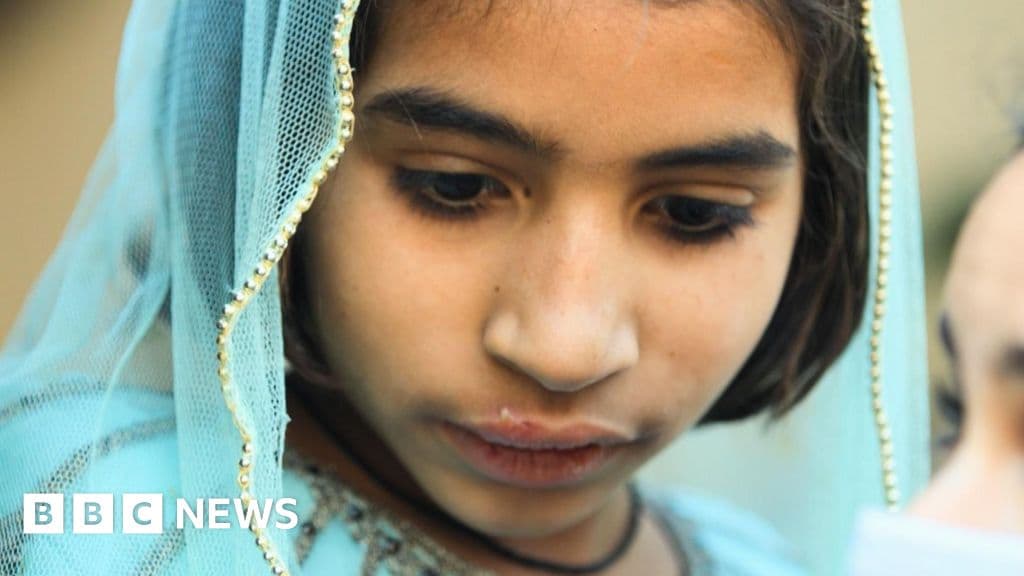
GlipzoIn Taunsa, a city in the Punjab province of Pakistan, a heartbreaking health crisis has emerged as a result of unsafe medical practices. Between November 2024 and October 2025, 331 children have tested positive for HIV, with many families believing that contaminated needles used during routine medical treatments at the THQ Taunsa Hospital are to blame. The tragic case of Mohammed Amin, who was just eight years old when he succumbed to the virus, highlights the dire situation. His mother, Sughra, recalls the emotional turmoil of watching her son suffer in pain, insisting on sleeping outside in the rain to alleviate his fevers.
As the story unfolds, it becomes evident that Amin's younger sister, Asma, also contracted HIV shortly after her brother. Their family’s plight is a stark reminder of how negligence in healthcare can have catastrophic consequences. The alarming connection between the hospital and the outbreak was first identified by a local doctor in late 2024, who noted a troubling increase in HIV cases among children treated there.
In March 2025, local authorities took action by suspending the hospital's medical superintendent in response to the outbreak. However, a recent investigation by BBC Eye has revealed that unsafe injection practices continued for months after the crackdown. Conducting 32 hours of undercover filming at the THQ Taunsa, investigators documented multiple instances of syringes being reused on multi-dose vials, posing a serious risk of contamination.
Over the course of the investigation, staff were observed injecting patients without sterile gloves 66 times. This lack of adherence to basic hygiene protocols raises serious concerns about infection control in the hospital. Dr. Altaf Ahmed, a leading microbiologist in Pakistan, emphasized the dangers of such practices, stating, "Even if they have attached a new needle, the back part... has the virus in it, so it will transfer even with a new needle."
The emotional toll of this outbreak can be felt deeply in the community. Families are devastated by the loss of their children and the stigma attached to an HIV diagnosis. Dr. Gul Qaisrani, one of the first to identify the surge in HIV cases, recalls hearing from parents about the reuse of syringes at THQ Taunsa. One mother reported that her daughter was injected with the same syringe as a cousin who was HIV-positive, highlighting the reckless disregard for patient safety.
The data collected from the Punjab provincial Aids screening program indicates that in more than half of the cases, transmission was attributed to contaminated needles. This raises grave concerns about the healthcare system’s capacity to protect vulnerable populations, especially children. The fact that out of a sample of 97 HIV-positive children, only four mothers tested positive for the virus underscores that mother-to-child transmission is not the primary concern in this outbreak.
Despite the overwhelming evidence presented in the undercover investigation, Dr. Qasim Buzdar, the new medical superintendent of the hospital, dismissed the footage as possibly staged and insisted that the hospital was safe for children. This refusal to acknowledge the serious health risks suggests a troubling lack of accountability within the institution.
As the investigation continues to gain attention, the implications for public health and safety in Pakistan are significant. The Punjab government has vowed to improve healthcare standards, but the effectiveness of these promises remains to be seen. Families affected by this outbreak are left with questions about their children’s futures and the safety of medical treatments in their community.
This outbreak serves as a critical reminder of the need for stringent healthcare practices, particularly in facilities that cater to vulnerable populations. As communities demand justice and accountability, the focus will shift to ensuring that such negligent practices are eradicated. The public outcry could lead to systemic changes in healthcare protocols, improved training for medical staff, and heightened awareness about infection control.
Going forward, it will be essential to monitor how local authorities respond to this crisis. Will there be meaningful reforms to prevent future outbreaks? The situation in Taunsa is a call to action for health officials across the country to prioritize patient safety and implement rigorous standards in medical facilities. Families and advocates will be watching closely as the aftermath of this tragedy unfolds, hoping for a commitment to change that prioritizes the health and safety of children.
This situation is not just about the numbers; it represents the lives of children and families devastated by a preventable health crisis. The attention brought by the undercover investigation shines a light on the urgent need for reform in Pakistan's healthcare system, emphasizing the importance of safe medical practices that protect the most vulnerable.

Shocking findings from Nottingham's maternity unit reveal a toxic culture and alarming neglect. What can be done to improve care? Discover the details.
BBC Health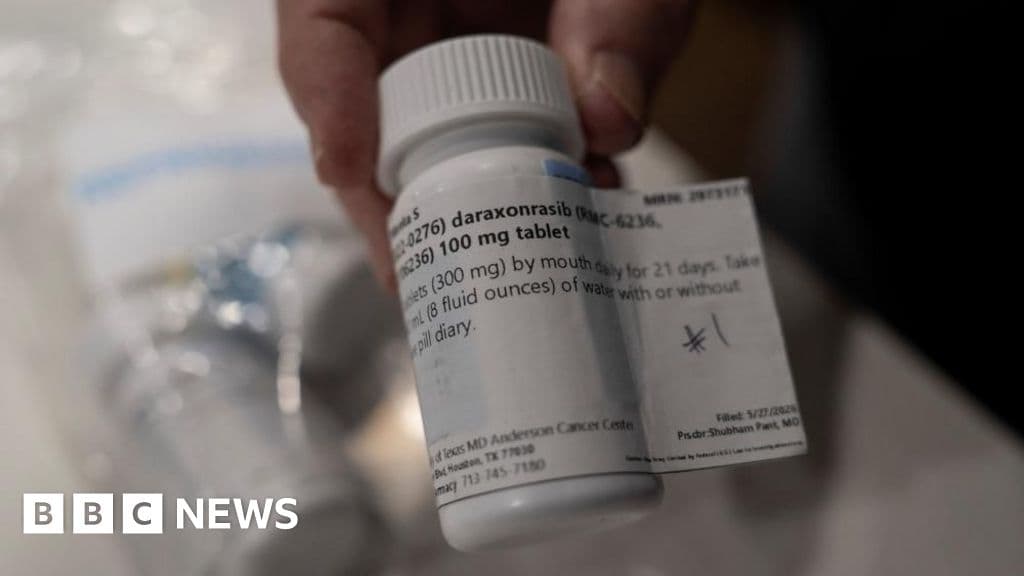
Discover how daraxonrasib, a new pill, is nearly doubling survival rates for pancreatic cancer patients, offering hope in a challenging battle against this deadly disease.
BBC Health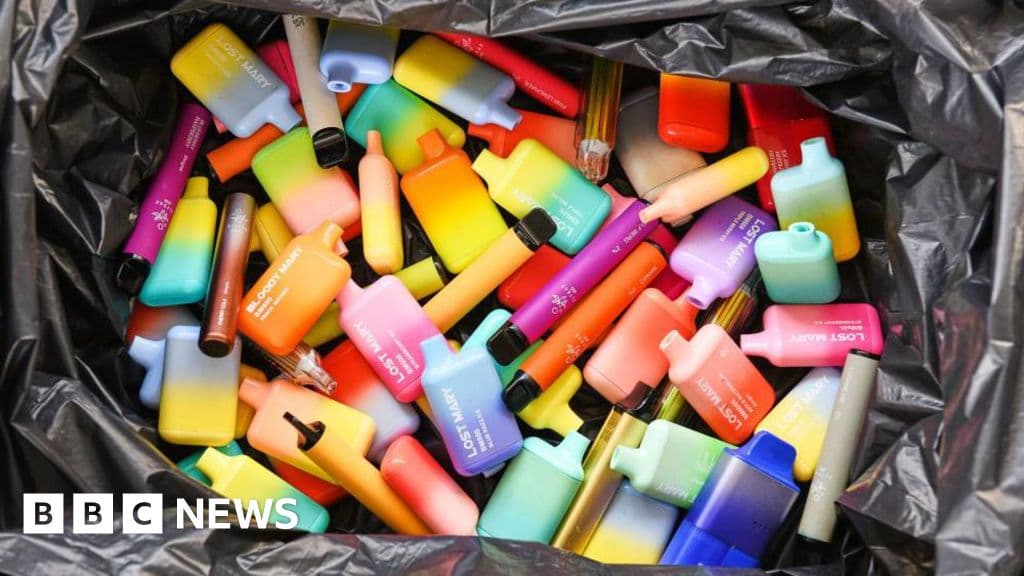
Waste companies propose a £5 deposit on vapes to encourage proper disposal and curb littering as the environmental impact of vapes increases.
BBC Business