
Image: Indian Express
Discover the shocking story of a Maharashtra woman who donated her eggs 37 times, exposing the risks of repeated egg retrieval and the ethics of egg donation.
GlipzoA recent shocking revelation from Maharashtra has brought to light a case of a woman from Ulhasnagar who has purportedly donated her eggs a staggering 37 times. This discovery comes amid an investigation into a widespread egg-harvesting racket that has raised serious concerns about the health risks associated with repeated egg retrieval. As authorities delve deeper into this case, many are questioning the implications for women who find themselves in vulnerable financial situations, leading them to participate in such risky medical procedures.
The woman’s case is particularly alarming, as it reportedly exceeds India's legal limit for egg donation, which permits just one donation per lifetime under the Assisted Reproductive Technology (Regulation) Act, 2021. Investigators claim that women, often in precarious financial states, were lured into this network, sometimes receiving minimal compensation for procedures that carry significant medical risks. This situation shines a light on the ethical concerns surrounding egg donation practices in India and the need for stringent regulations to protect women.
Dr. Prashant Bhamare, the Head of Obstetrics and Gynaecology at Fortis Hiranandani Hospital in Navi Mumbai, emphasizes that the frequency of egg donations in this case is not only unusual but also troubling. "Repeated cycles could increase the risk of ovarian cysts, hormonal imbalances, and, in rare cases, early menopause. The physical stress from frequent anesthesia and procedures is also a concern," he warns.
Egg donation is far more complicated than blood donation. It involves a rigorous process of hormonal treatment, ovarian stimulation, and invasive procedures. During a typical menstrual cycle, a woman’s body naturally releases one egg monthly. However, during egg donation, fertility hormones are administered over 10 to 14 days to stimulate the ovaries to produce multiple eggs simultaneously. This intense hormonal stimulation disrupts the body’s natural rhythm, leading to various health complications if done repeatedly.
In a natural cycle, the ovaries operate at a normal physiological pace, releasing one matured egg each month. In contrast, the egg donation process artificially accelerates this cycle, pushing the ovaries to produce numerous eggs. This elevated hormonal activity can lead to significant stress on the reproductive system, particularly when performed without proper medical oversight.
Some potential complications from repeated egg donation include: - Ovarian enlargement - Pelvic pain - Menstrual irregularities - Metabolic stress
The concern is that the female body is not designed to handle such aggressive and frequent ovarian stimulation. Each cycle artificially elevates hormone levels, compelling the ovaries to mature multiple eggs at once, which can have long-term implications for a woman's reproductive health.
Despite the limited research available on the long-term effects of excessive egg donation, some fertility experts express concerns about the potential for diminished ovarian reserve—referring to the number and quality of eggs left in the ovaries. Repeated procedures without adequate recovery time could adversely affect a woman’s reproductive health.
Additionally, there’s a growing fear that excessive cycles may lead to premature ovarian aging or early menopause. While definitive evidence is scarce, the implications are serious enough for medical professionals to urge caution.
One of the gravest risks associated with egg donation is Ovarian Hyperstimulation Syndrome (OHSS). This condition occurs when the ovaries react severely to fertility hormones, leading to painful swelling, fluid-filled cysts, and in extreme cases, complications that can become life-threatening.
In cases of OHSS, the ovaries can swell significantly, and fluid may accumulate in the abdomen and chest, leading to symptoms such as: - Severe abdominal pain - Nausea and vomiting - Breathing difficulties
If left untreated, severe OHSS can result in dehydration, blood clotting complications, kidney issues, and fluid buildup around the lungs. In rare instances, it may even lead to ovarian rupture. While mild OHSS is relatively common and often resolves without intervention, the risk of severe complications underscores the need for careful monitoring during the egg donation process.
This case serves as a critical reminder of the potential dangers faced by women who engage in egg donation, especially those from economically disadvantaged backgrounds. It raises ethical questions about the practices of egg donation and the need for robust regulatory frameworks to protect women’s health. As investigations continue, it is crucial to ensure that women are educated about the risks involved in egg donation and that they have access to safe medical practices.
As the investigation progresses, several key factors will be monitored: - Policy Changes: Will there be stricter regulations on egg donation practices? - Public Awareness: How will this case influence public perception of egg donation? - Health Monitoring: Will there be increased scrutiny on the health ramifications for women involved in egg donation?
The outcome of this case could lead to significant changes in how egg donation is perceived and regulated in India, potentially safeguarding the health of future donors and ensuring ethical practices within the fertility industry.

Shocking findings from Nottingham's maternity unit reveal a toxic culture and alarming neglect. What can be done to improve care? Discover the details.
BBC Health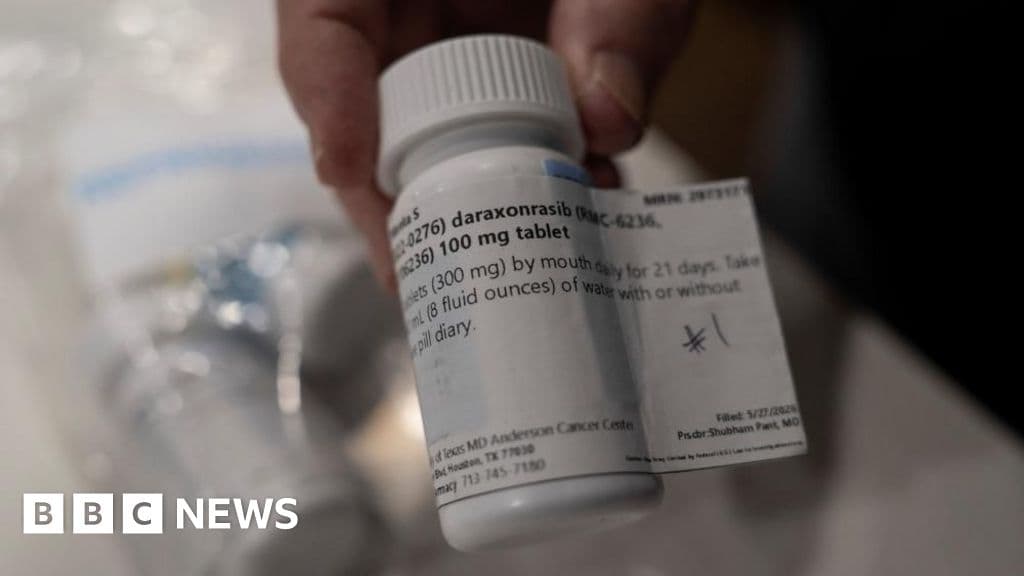
Discover how daraxonrasib, a new pill, is nearly doubling survival rates for pancreatic cancer patients, offering hope in a challenging battle against this deadly disease.
BBC Health
Waste companies propose a £5 deposit on vapes to encourage proper disposal and curb littering as the environmental impact of vapes increases.
BBC Business