
Image: BBC Health
A young woman reflects on her harrowing decision to refuse a blood transfusion at age 11 due to her Jehovah's Witness upbringing, revealing ongoing concerns.
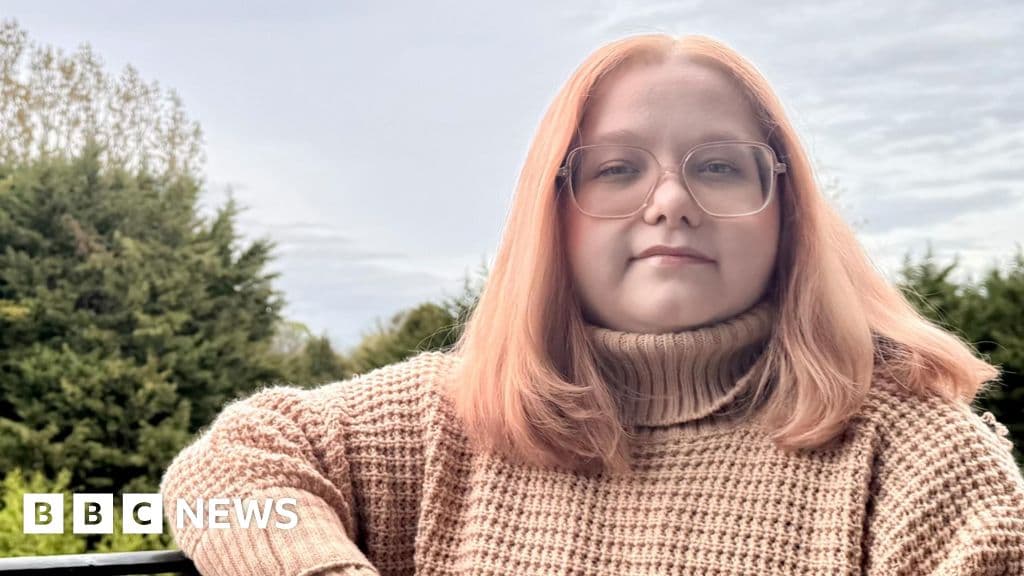
GlipzoAt just 11 years old, Beatrice Jones faced a terrifying health crisis that would forever alter her life. When doctors informed her that a blood transfusion was critical due to her severe anemia, she was engulfed in a sense of dread. The young girl, raised as a Jehovah's Witness, was indoctrinated with the belief that accepting blood could lead to dire spiritual consequences. This moment, as she recalls, was akin to feeling her "whole world suddenly collapsed."
The teachings of the Jehovah's Witnesses, a Christian-based denomination known for its door-to-door evangelism, strictly prohibit blood transfusions in almost all situations. This doctrine is rooted in their interpretation of biblical texts, which they believe dictate that blood must not be consumed or transferred. With an estimated 144,000 active members in the UK and around nine million worldwide, the organization has a profound influence on its followers' lives, often leading to severe personal dilemmas like Jones's.
In March 2023, the Jehovah's Witnesses updated their long-standing stance on blood transfusions, allowing members to undergo autologous donation. This process permits individuals to have their blood drawn, stored, and then reinfused back into their bodies when needed. However, the new guidelines still prohibit members from receiving blood donations from others. This change, while seen as a step forward by some, has drawn criticism from former members who argue that it still jeopardizes lives.
Critics of the new policy assert that the organization is not genuinely prioritizing the health of its members but rather upholding a restrictive doctrine that can lead to fatal outcomes. Andrew Basoo, a spokesperson for Jehovah's Witnesses, responded to these claims by emphasizing that followers make informed medical decisions based on their understanding of the Bible and the advice of healthcare professionals.
Reflecting on her experience nearly two decades later, Jones, now 29 and working in insurance, reveals the emotional turmoil she faced. "When the doctor said I needed a transfusion, I was terrified," she recalled. The pressure to adhere to her faith’s teachings was overwhelming. She felt a debilitating fear of what accepting a transfusion might mean for her eternal life and familial bonds.
"I hid in my room and cried because I didn't know if I would be strong enough to refuse blood, knowing it could possibly save my life," she said, revealing the deep conflict between her health needs and her religious beliefs. This internal struggle exemplifies the challenges faced by many who find themselves at the intersection of personal health and stringent religious doctrine.
The Jehovah's Witnesses' stance on blood transfusions is rooted in a literal interpretation of biblical scripture. Key verses from the Old and New Testaments are cited, particularly Leviticus 17:10-11, which warns against the consumption of blood. The religion's guidelines are clear: accepting blood can lead to dissociation, a severe form of excommunication that can isolate individuals from their families and communities.
Jones’s decision to reject the transfusion was shaped by this intense pressure. "Would I lose my family? Would I lose my chance of entering the promised paradise?" These questions haunted her, illustrating the profound psychological impact of such a decision. Despite the doctor's concerns, she chose alternative treatments and ultimately survived, but the memories of that pivotal moment remain vivid and painful.
In light of the recent policy update, Jones expressed her outrage, stating that it was “diabolical.” She felt anger when she learned about the changes, believing they fail to address the underlying issues of fear and control that define the organization’s teachings. "How dare you?" she exclaimed, reflecting on the suffering experienced by many who have faced similar dilemmas.
The implications of this policy shift are significant. While some may view it as an improvement, others see it as a façade that still places members in perilous positions regarding their health. The debate continues about the morality of enforcing such doctrines in the face of life-threatening medical needs.
As the Jehovah's Witnesses navigate these complex issues, the future remains uncertain for many of its members. Will the organization evolve further in its understanding of medical needs, or will it maintain its stringent rules? The ongoing discussions about faith and healthcare are critical as more individuals like Jones come forward to share their experiences.
As society grapples with the intersection of faith and medical ethics, the stories of individuals like Beatrice Jones will be vital in shaping the conversation surrounding the rights of patients and the responsibilities of religious organizations in health-related matters.
Jones’s story serves as a poignant reminder of the complexities involved in such life-altering decisions and the need for compassionate dialogue in the face of unwavering beliefs.
Shocking findings from Nottingham's maternity unit reveal a toxic culture and alarming neglect. What can be done to improve care? Discover the details.
BBC Health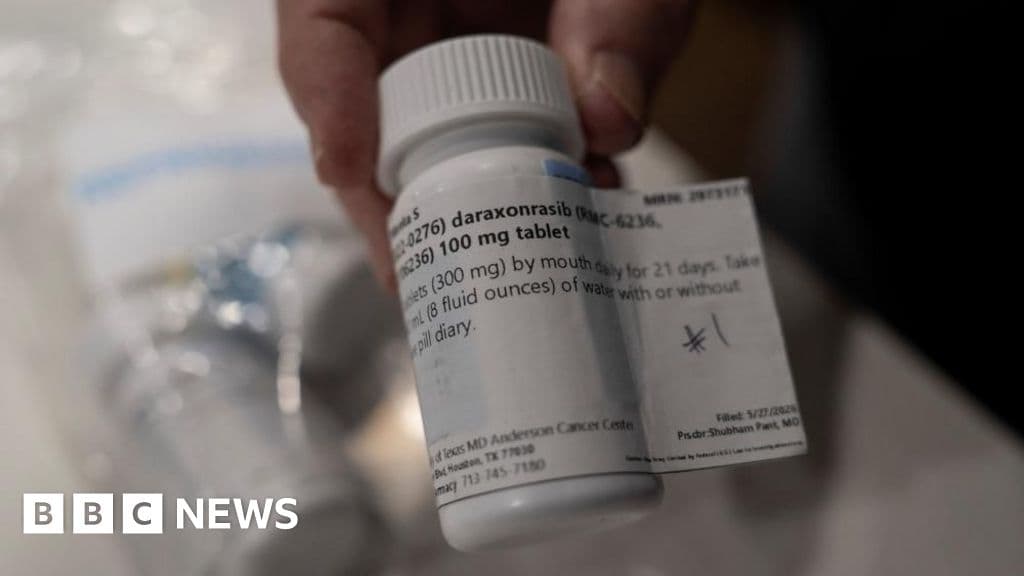
Discover how daraxonrasib, a new pill, is nearly doubling survival rates for pancreatic cancer patients, offering hope in a challenging battle against this deadly disease.
BBC Health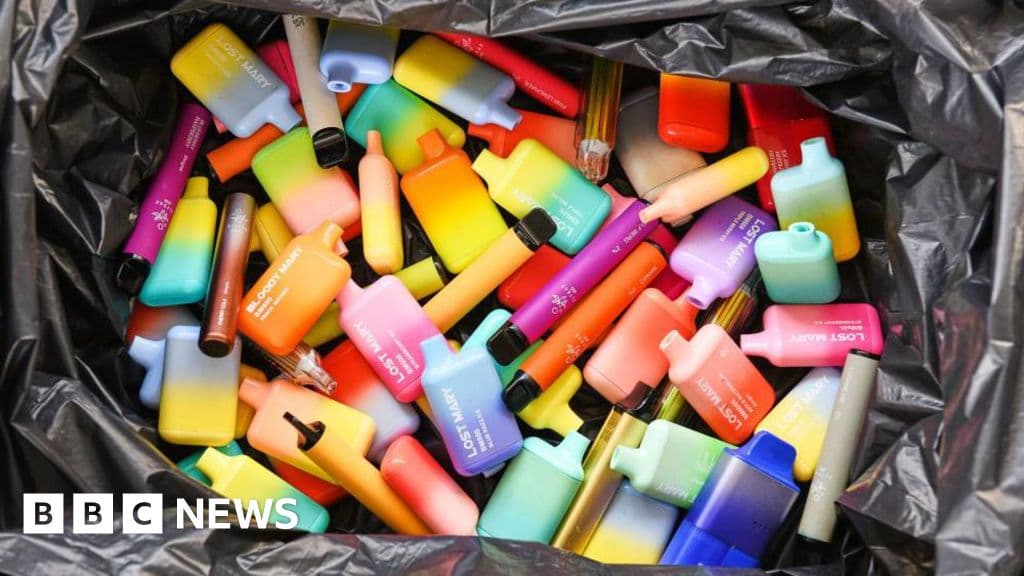
Waste companies propose a £5 deposit on vapes to encourage proper disposal and curb littering as the environmental impact of vapes increases.
BBC Business