
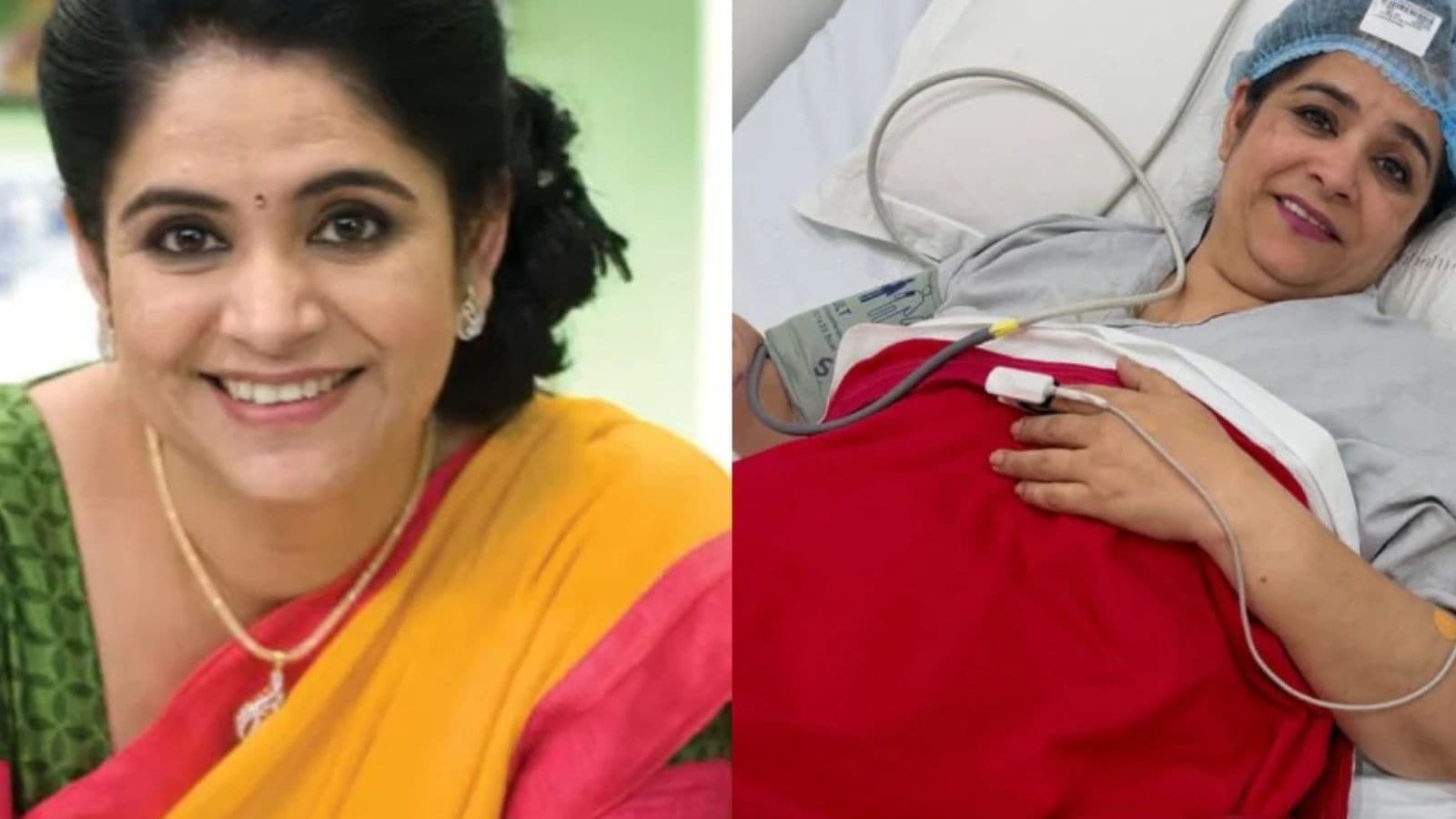
Image: Indian Express
Discover how Pankaj Bhadouria's breast cancer diagnosis sheds light on rising risks for urban Indian women. Learn about lifestyle factors contributing to this trend.
GlipzoThe recent announcement by celebrity chef Pankaj Bhadouria regarding her breast cancer diagnosis has sparked significant discussion, especially among urban Indian women navigating the complex demands of careers and family life. This revelation is not merely a personal health story but underscores a larger trend affecting women's health in India, particularly those in their 40s and 50s. The increasing prevalence of breast cancer in younger demographics is more than alarming; it points to a critical intersection of lifestyle factors that require immediate attention.
According to Dr. Kanchan Kaur, a senior director at Medanta, Gurugram, there has been a marked shift in cancer statistics over the past decade. A decade ago, cervical cancer was the most common cancer among women in India. Today, breast cancer has taken the lead, particularly in urban and affluent populations. Dr. Kaur explains that this change is driven by multiple lifestyle factors rather than a single cause, making it a multifactorial issue.
The alarming aspect of this trend is the age profile of breast cancer patients. While women in Western countries typically face this disease in their 50s and 60s, Indian women are now experiencing it in their 40s and 50s. Shockingly, nearly 16–20% of breast cancer cases in India are diagnosed in younger women, whose dense breast tissue complicates the diagnostic process. As Dr. Kaur notes, routine mammograms are not generally recommended for women under 40, as the dense tissue makes early detection more challenging. This age discrepancy highlights a critical need for increased awareness and early intervention among working women.
For working women aged 40 to 55, numerous risk factors converge during this decade of their lives. Some of the significant contributors to increased breast cancer risk among urban women include:
Dr. Kaur emphasizes that late childbearing has a direct connection to breast cancer risk. Women who have children later in life, have fewer pregnancies, or do not breastfeed for extended periods face prolonged exposure to hormones that can stimulate abnormal cellular growth. This shift in reproductive patterns is largely influenced by professional pressures, delayed marriages, and lifestyle changes among middle- and upper-income women in urban settings.
Obesity stands out as a significant risk factor, particularly after menopause. With the decline in ovarian hormone production, excess fat tissue becomes a source of estrogen, which can encourage tumor growth. Furthermore, the modern sedentary lifestyle exacerbates this issue. Prolonged sitting, commuting stress, and heavy screen time all contribute to poor metabolic health and weight gain, which in turn can lead to hormonal imbalances.
Regular physical activity is crucial in mitigating these risks. Studies indicate that engaging in consistent exercise can lower breast cancer risk by regulating hormones, reducing inflammation, and enhancing immune surveillance. However, as urban dietary habits shift towards high-calorie processed foods, the struggle against obesity becomes even more challenging, leading to a cycle of chronic inflammation and metabolic dysfunction.
Stress is another critical factor in the modern lifestyle equation. Chronic stress can elevate cortisol levels, which disrupts sleep quality and alters immune responses. This can lead to unhealthy behaviors such as overeating, inactivity, smoking, or increased alcohol consumption, all of which can increase cancer risk over time.
Among the various lifestyle factors, sleep disruption has been identified as particularly detrimental. Poor sleep can disrupt the body’s circadian rhythm, which is essential for regulating hormones, metabolism, and cellular repair processes. The consequences of inadequate sleep are magnified by late-night screen exposure, which suppresses melatonin production and can further exacerbate health issues.
The rising incidence of breast cancer, particularly among urban women in their 40s and 50s, is a public health concern that cannot be ignored. As women juggle career demands, caregiving roles, and personal health, understanding the multifaceted risks associated with modern lifestyles is critical.
As the dialogue surrounding breast cancer continues to evolve, it is essential for both healthcare providers and women to stay informed about the lifestyle factors contributing to this alarming trend. Moving forward, healthcare initiatives must focus on early detection, lifestyle modification, and education to empower women to make informed choices about their health.
In conclusion, the battle against breast cancer requires a collective effort to address the underlying lifestyle factors that contribute to its rise in urban Indian women. By fostering awareness and encouraging healthier habits, there is hope for reducing the incidence of this disease and improving the quality of life for women across the country.

Shocking findings from Nottingham's maternity unit reveal a toxic culture and alarming neglect. What can be done to improve care? Discover the details.
BBC Health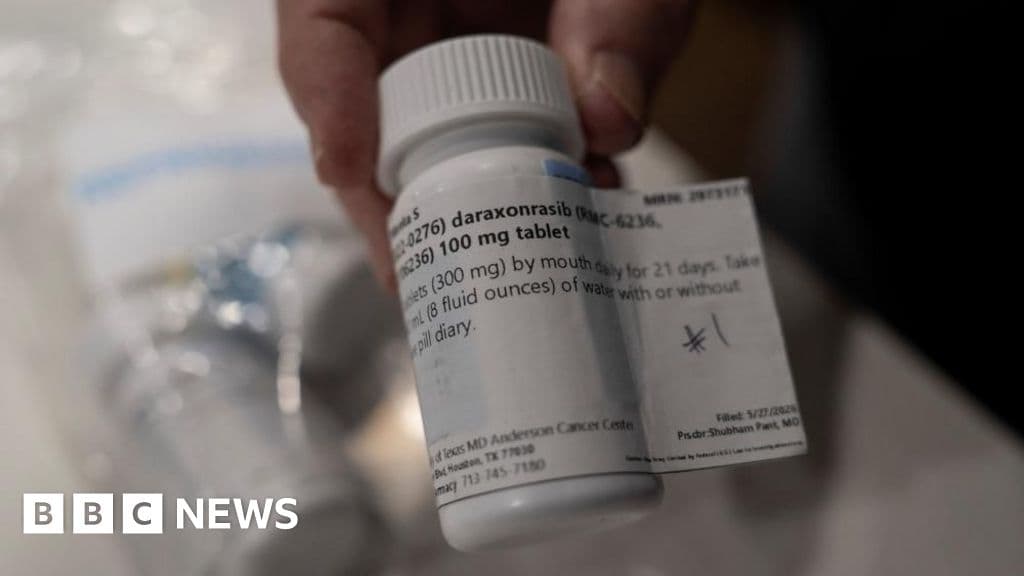
Discover how daraxonrasib, a new pill, is nearly doubling survival rates for pancreatic cancer patients, offering hope in a challenging battle against this deadly disease.
BBC Health
Waste companies propose a £5 deposit on vapes to encourage proper disposal and curb littering as the environmental impact of vapes increases.
BBC Business