
Image: Ars Technica
Discover the hidden dangers of the JC virus, a brain-eating virus affecting millions. Learn how chronic kidney disease may activate it and what that means for your health.
GlipzoImagine a virus that silently infects up to 90 percent of people worldwide, lying dormant in your body until it suddenly awakens and wreaks havoc on your brain. This alarming scenario is not just a plot of fiction; it’s the reality of the JC virus, also known as John Cunningham virus (JCV), which researchers have recently linked to a condition called progressive multifocal leukoencephalopathy (PML). While this virus typically remains asymptomatic in most individuals, recent findings indicate that certain health conditions could trigger its deadly potential, prompting serious questions about its prevalence and impact.
The JC virus was first identified in 1971 from a patient named John Cunningham, who sadly became the namesake of this virus. Transmitted through the fecal-oral route, the JC virus can be detected in the urine and stool of infected individuals. Most people are believed to contract the virus during childhood, with blood surveys suggesting that between 50% to 90% of adults have been exposed at some point in their lives.
The initial infection with the JC virus generally occurs without any noticeable symptoms, often in the tonsils or gastrointestinal tract. At this stage, the virus establishes a lifelong but silent infection in the body. For the vast majority, this means living with the virus without any adverse effects. However, in a small minority of cases, the virus can undergo a transformation into a more virulent form capable of causing PML.
When the JC virus activates, it invades the brain and attacks oligodendrocytes, the cells responsible for forming the protective myelin sheaths around nerve cells. This leads to severe demyelination, causing significant neurological dysfunction and damage. Diagnosing PML involves identifying characteristic brain lesions through imaging and detecting JC virus DNA in cerebrospinal fluid. Symptoms of PML can mirror other neurological conditions, such as strokes or multiple sclerosis, leading to speech difficulties, visual impairments, motor dysfunction, and even seizures.
Initially recognized in 1958, PML was deemed an extremely rare affliction until its emergence in patients suffering from HIV/AIDS during the 1980s. At that time, 2-5% of individuals with HIV developed PML, marking it as an AIDS-defining condition. The prognosis was grim, with the disease often resulting in death. However, the introduction of highly active antiretroviral therapy (HAART) in 1996 significantly reduced PML cases and improved survival rates, although many survivors are left with debilitating long-term effects.
Traditionally, PML has been associated with severe immune suppression. The JC virus is thought to become pathogenic when the immune system’s ability to surveil and combat viral threats is compromised. Restoration of immune function through treatments like HAART can prevent the onset of PML, but the disease can also manifest in patients receiving immunosuppressive medications for conditions like multiple sclerosis or autoimmune diseases. Globally, PML is estimated to occur in approximately 2 out of 100,000 individuals.
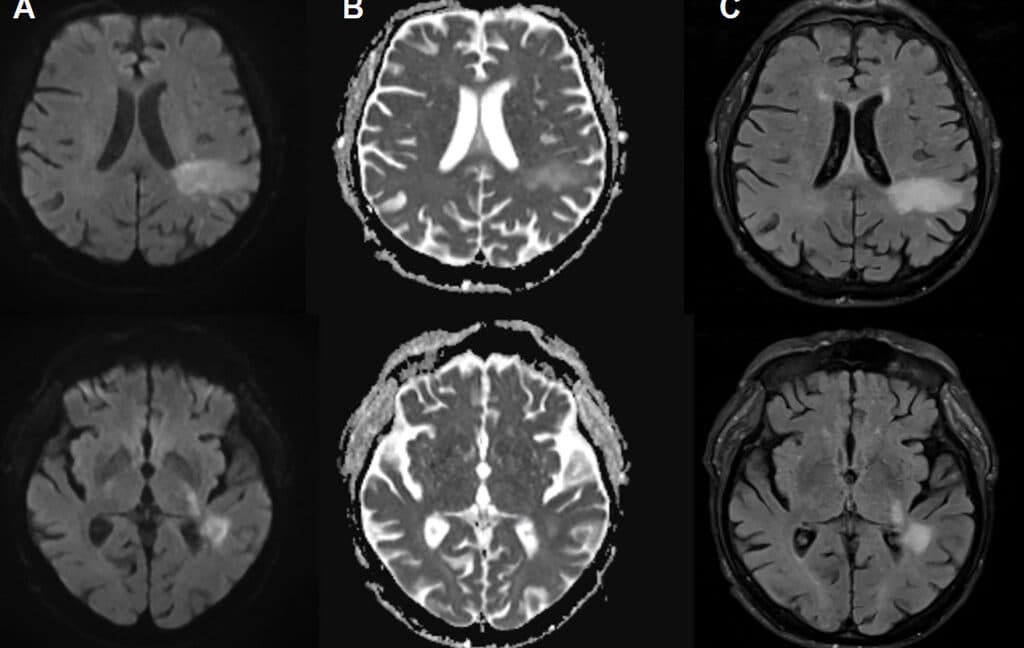
In a recent study published in the Annals of Internal Medicine, researchers from New York presented a case that challenges the traditional understanding of PML. The patient, a 72-year-old man suffering from stage-5 chronic kidney disease (CKD), was admitted to the hospital for neurological issues. CKD affects about 10 percent of adults worldwide and can lead to a buildup of toxins that impair immune function, chronic inflammation, and reduced viral surveillance. Remarkably, this patient exhibited PML despite the absence of profound immune suppression typically associated with the disease.
The findings from this case could have significant implications for how we view the JC virus and PML. It raises critical questions about the role of kidney health and its potential link to the activation of dormant viruses. As CKD becomes increasingly common, understanding the connection between kidney function and viral activation could be vital for early diagnosis and intervention.
The implications of a common virus like the JC virus transforming into a deadly threat due to conditions like CKD cannot be overstated. As medical professionals continue to investigate the triggers for PML, it becomes essential for patients with chronic illnesses, especially those with CKD, to be aware of their potential risk factors. Early detection and treatment could mean the difference between life and death or severe neurological impairment.
Going forward, it will be crucial to monitor further research surrounding the JC virus, particularly in patients with chronic kidney disease and other conditions that may compromise immune function. Health professionals should remain vigilant for signs of PML in at-risk populations and consider proactive screening measures. The medical community must also prioritize educating patients about the JC virus, its potential activation triggers, and the importance of maintaining kidney health.
As our understanding of the JC virus evolves, it’s clear that this seemingly innocuous virus warrants close attention. With significant advances in medical science, the hope is that more effective strategies can be developed to prevent and manage the dangers posed by this brain-eating virus.
The JC virus is a stark reminder of how quickly a common virus can turn into a life-threatening condition. As more studies shed light on its links to chronic health conditions, the focus will need to shift towards enhancing awareness, improving patient outcomes, and developing targeted therapies to combat the risks associated with PML.

Shocking findings from Nottingham's maternity unit reveal a toxic culture and alarming neglect. What can be done to improve care? Discover the details.
BBC Health
Discover how daraxonrasib, a new pill, is nearly doubling survival rates for pancreatic cancer patients, offering hope in a challenging battle against this deadly disease.
BBC Health
Waste companies propose a £5 deposit on vapes to encourage proper disposal and curb littering as the environmental impact of vapes increases.
BBC Business