
Image: BBC Health
An 18-year-old woman with a wheelchair was kicked out of a Manchester nightclub. Discover the implications of this discrimination and the ongoing fight for equality.
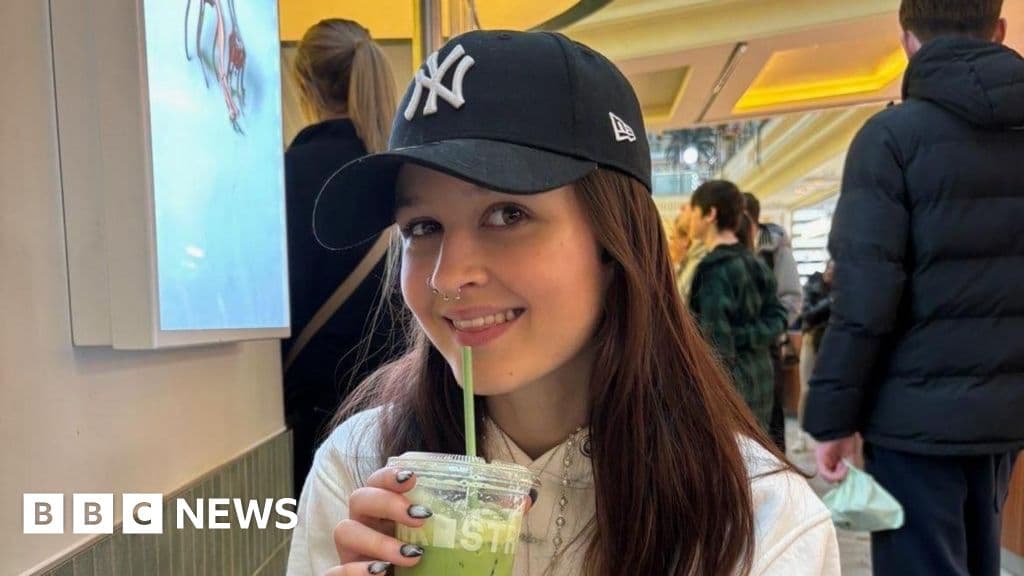
GlipzoAn 18-year-old woman, Maddie Haining from Oldham, experienced a distressing situation at Club Tropicana located in Manchester's Gay Village. On a seemingly normal night out with a friend on Saturday, Maddie was abruptly asked to leave the nightclub just five minutes after they arrived. The reason? Her wheelchair was labeled a safety risk by the bar manager, leading Maddie to express her feelings of humiliation and anger.
Maddie shared her experience on Instagram, stating, "It's not okay to be removed from bars because you are disabled and different from other people. If they can be in there, then why shouldn't we?" Her determination to stand up against discrimination is commendable and shines a light on the ongoing challenges faced by individuals with disabilities in public spaces.
This incident raises vital questions about accessibility and the rights of disabled individuals under the 2010 Equality Act. Maddie, who had previously visited multiple bars that evening without issue, found it shocking that Club Tropicana's staff would not only allow her in but then later claim her presence posed a risk. Initially, security had assisted with her wheelchair entrance, indicating that there were no problems until the bar manager intervened.
While her friend went to order drinks, security approached Maddie with a notice to leave, citing safety concerns. When Maddie requested to speak with the manager, she described him as “horribly rude,” failing to provide a satisfactory explanation for their actions.
Key Highlights of the Incident: - Maddie was asked to leave Club Tropicana just five minutes after entering. - The bar manager claimed her wheelchair posed a safety risk. - Maddie referenced the Equality Act, emphasizing her rights as a disabled patron.
Following Maddie's complaint, the club released a statement asserting that an investigation was underway but refrained from further comments. Meanwhile, Manchester City Council confirmed they are also looking into the matter after being alerted by Maddie.
The statement from Club Tropicana acknowledged they had not been directly contacted by Maddie but were aware of the incident. It is crucial for venues to understand that under the Equality Act, they hold a legal duty to make reasonable adjustments for disabled patrons, which includes providing adequate support like ramps and accessible facilities.
The Equality Act stipulates that venues must not discriminate against individuals based on their disability. This includes: - Ensuring physical access through ramps or elevators. - Providing necessary support during emergencies. - Making adjustments to policies that may unfairly impact disabled patrons.
Failure to adhere to these regulations can lead to accusations of discrimination and potential legal repercussions. Maddie’s case exemplifies the importance of understanding and enforcing these rights in public spaces.
Despite the negative experience, Maddie remained assertive, even showing the bar staff the Equality Act on her phone to reinforce her argument. She stated, "You can't make me leave because I'm in a wheelchair – this is discrimination." However, her pleas were met with resistance, as the manager continued to insist on her removal.
In a statement to BBC Radio Manchester, Maddie expressed her frustration, saying, "The whole thing was really embarrassing. I was in a bar with my friends and kept getting security sent over. It was infuriating as I showed them the law, and they had not taken any of it on board." Her experience is a reminder of the challenges disabled individuals frequently face.
As this situation unfolds, it highlights the need for greater awareness and adherence to equality laws in venues across the UK. Maddie's experience may inspire other disabled individuals to speak out against such injustices, promoting a more inclusive environment in nightlife and other public domains.
Moving forward, it will be essential for both Club Tropicana and local authorities to address Maddie's claims thoroughly. Public response and advocacy from the community will likely shape how the club and similar venues handle accessibility and discrimination issues in the future.
What’s next? Keep an eye on the investigation results from both the club and Manchester City Council, as they will likely set a precedent for how similar cases are handled in the future. Advocates for disability rights will continue to push for change, ensuring that every individual, regardless of their physical abilities, has the right to enjoy public spaces without fear of discrimination.
In conclusion, Maddie's story is not just about a single incident; it symbolizes the ongoing fight for equality and accessibility that many disabled individuals face every day. Her bravery in standing up for her rights serves as a powerful reminder of the need for societal change.

Tensions soar as the US and Iran engage in air strikes near the Strait of Hormuz, raising concerns over global oil supply and regional stability.
BBC World
Trump's international interventions face serious stalemates. What will this mean for U.S. foreign policy? Explore the critical challenges ahead.
Indian Express
Tehran denies resignation of President Masoud Pezeshkian amid claims of IRGC influence. What does this mean for Iran's political stability? Click to learn more!
Indian Express