

Image: Mint (Business)
A shocking incident of milk adulteration in Andhra Pradesh has led to 16 deaths and prompted urgent inquiries and safety measures. Find out more.
GlipzoIn a devastating case of suspected milk adulteration in Andhra Pradesh, 16 individuals have tragically lost their lives, as confirmed by District Medical and Health Officer K. Venkateswara Rao on Sunday. The incident has raised serious concerns about food safety in the region, prompting immediate action from health authorities and law enforcement.
The incident occurred in East Godavari district, where residents began experiencing severe health issues after consuming milk supplied by the Varalakshmi Milk Dairy. Reports indicate that several others are still hospitalized, with three patients receiving critical care in Rajamahendravaram. This alarming situation has underscored the urgent need for thorough investigations and preventive measures to safeguard public health.
A preliminary epidemiological inquiry has strongly linked the health crisis to the consumption of contaminated milk. The milk supply had been distributed to 106 families before the outbreak. Following this revelation, authorities swiftly suspended all milk deliveries from the dairy, recognizing the potential risk to public health.
On February 22, KIMS Hospital reported a surge in elderly patients exhibiting serious symptoms, including anuria (lack of urine output), vomiting, abdominal discomfort, and acute kidney dysfunction requiring dialysis. The affected individuals primarily resided in the Chowdeswaranagar and Swaroopanagar areas of Lalacheruvu, raising alarms among local health officials.
Symptoms presented by the sick residents pointed to acute kidney failure, characterized by dangerously elevated blood urea and serum creatinine levels. This suggested exposure to toxic substances, leading to the establishment of emergency medical camps and enhanced surveillance in the impacted areas.
Officials reported that both children and elderly individuals were affected, with many requiring intensive medical support, including ventilators. Rapid Response Teams, comprising medical specialists and epidemiologists, were deployed to monitor the situation closely and identify any additional symptomatic cases early.
In response to the crisis, police launched an investigation after a complaint from the son of a deceased victim, Tadi Seetharamaiah. A case was registered on February 22 under Section 194 of the BNSS, which pertains to unnatural deaths. Authorities detained the suspected supplier of the contaminated milk as forensic teams began gathering evidence from the dairy's premises.
In addition to the dairy's investigation, teams from the Animal Husbandry Department collected samples of milk, cattle feed, and local water sources for toxicology testing, aiming to pinpoint the source of contamination. Senior health officials from Hyderabad were also brought in to oversee patient treatment and coordinate care across multiple hospitals in the region.
Health officials conducted house-to-house surveys involving over 300 individuals from affected families. Blood samples were collected for testing, with most results returning normal, indicating that the contamination may have been isolated to specific batches of milk supplied by the dairy.
The Food Safety Department took proactive measures by inspecting the dairy unit, collecting samples for microbial and chemical analysis to ensure that similar incidents do not occur in the future. Authorities have indicated that the situation is now under control and further actions will depend on detailed laboratory findings.
This incident has raised critical questions about food safety regulations in India, particularly concerning the dairy industry. In light of this tragedy, the Uttar Pradesh Food Safety and Drug Administration (UPFSDA) has also ramped up anti-adulteration efforts, seizing over 13,000 litres of adulterated oil and 1,000 kg of colored waste in a recent crackdown in Kanpur.
Officials have reiterated the importance of food safety, especially ahead of the festival season, where the demand for safe and quality food products surges. Surprise inspections at cold storage units and dairies are being conducted to ensure compliance with safety standards and to prevent the distribution of adulterated products.
As investigations continue into the milk adulteration case in Andhra Pradesh, residents and authorities alike are left to ponder the future of food safety in the region. The findings from ongoing laboratory tests will be crucial in determining the exact cause of contamination and in formulating strategies to prevent future incidents.
Moving forward, it is essential that both local and national food safety organizations enhance their monitoring and regulatory frameworks to protect consumers. Increased awareness and education regarding food safety practices can empower communities to take action against malpractice in the food supply chain. This incident serves as a stark reminder of the potential dangers posed by food adulteration and the critical need for vigilance in safeguarding public health.

Shocking findings from Nottingham's maternity unit reveal a toxic culture and alarming neglect. What can be done to improve care? Discover the details.
BBC Health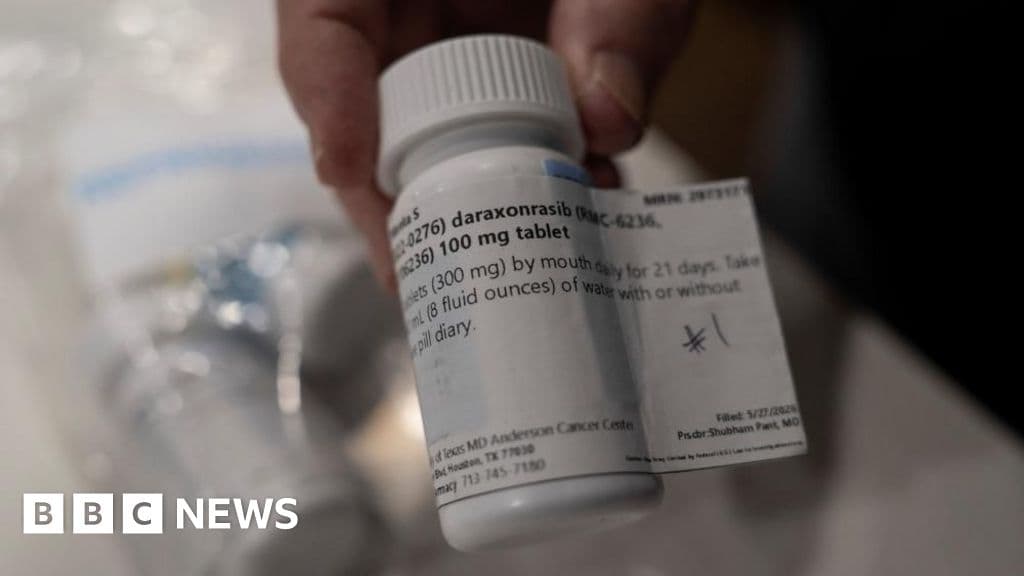
Discover how daraxonrasib, a new pill, is nearly doubling survival rates for pancreatic cancer patients, offering hope in a challenging battle against this deadly disease.
BBC Health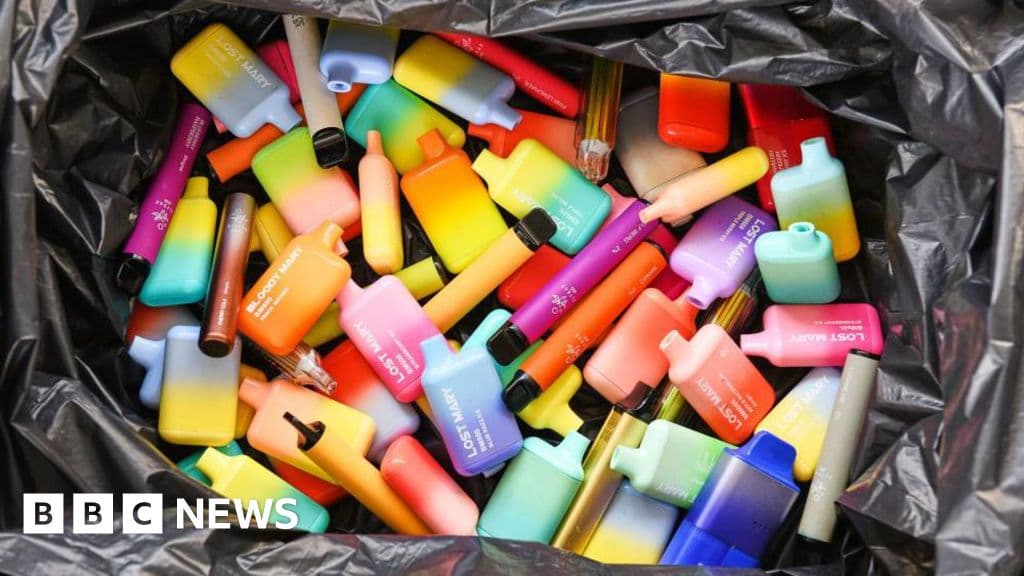
Waste companies propose a £5 deposit on vapes to encourage proper disposal and curb littering as the environmental impact of vapes increases.
BBC Business