
Glipzo
WorldTechnologyBusinessSportsEntertainmentScienceHealthPolitics
Glipzo
WorldTechnologyBusinessSportsEntertainmentScienceHealthPolitics
  1. Home
  2. /
  3. Health
  4. /
  5. Shocking AI Fitness Ads Mislead Users with Unreal Transformations
Shocking AI Fitness Ads Mislead Users with Unreal Transformations

Image: BBC Business

Health
Friday, May 8, 20265 min read

Shocking AI Fitness Ads Mislead Users with Unreal Transformations

A BBC investigation reveals AI-generated fitness ads mislead users with unrealistic body transformation promises. What does this mean for fitness advertising?

Glipzo News Desk|Source: BBC Business
Share
Glipzo

Key Highlights

  • AI fitness ads are misleading users with false promises.
  • Experts warn of unrealistic fitness transformations in weeks.
  • Regulations on AI content in fitness advertising are lacking.
  • Real-life coaching remains irreplaceable in fitness journeys.

In this article

  • AI Fitness Instructors: The New Face of Deceptive Ads In today's digital age, social media is inundated with visually stunning fitness videos that promise astonishing transformations. These clips often feature **AI-generated characters** showcasing perfectly sculpted bodies, alongside dramatic before-and-after images. Users are led to believe that they can achieve similar results in mere weeks by following simple fitness routines.
  • The Rise of AI Content in Fitness Advertising The surge of AI-generated content on social media platforms has been notable in the past few years, especially in the realm of fitness. Videos targeting users with enticing claims of rapid body changes are becoming increasingly prevalent. Many of the flagged advertisements showcased AI characters asserting that they had successfully undergone intense workout programs, often featuring results that experts deem **scientifically implausible** within the timeframes advertised.
  • The Implications of AI Fitness Influencers One of the significant challenges posed by AI fitness characters is their relentless output. Unlike human influencers, these AI models can generate content endlessly, making it nearly impossible for users to filter or opt-out of this material. Prof. Miah describes the current landscape as a “wild west” of regulation, highlighting the potential harm these misleading ads can cause to consumers.
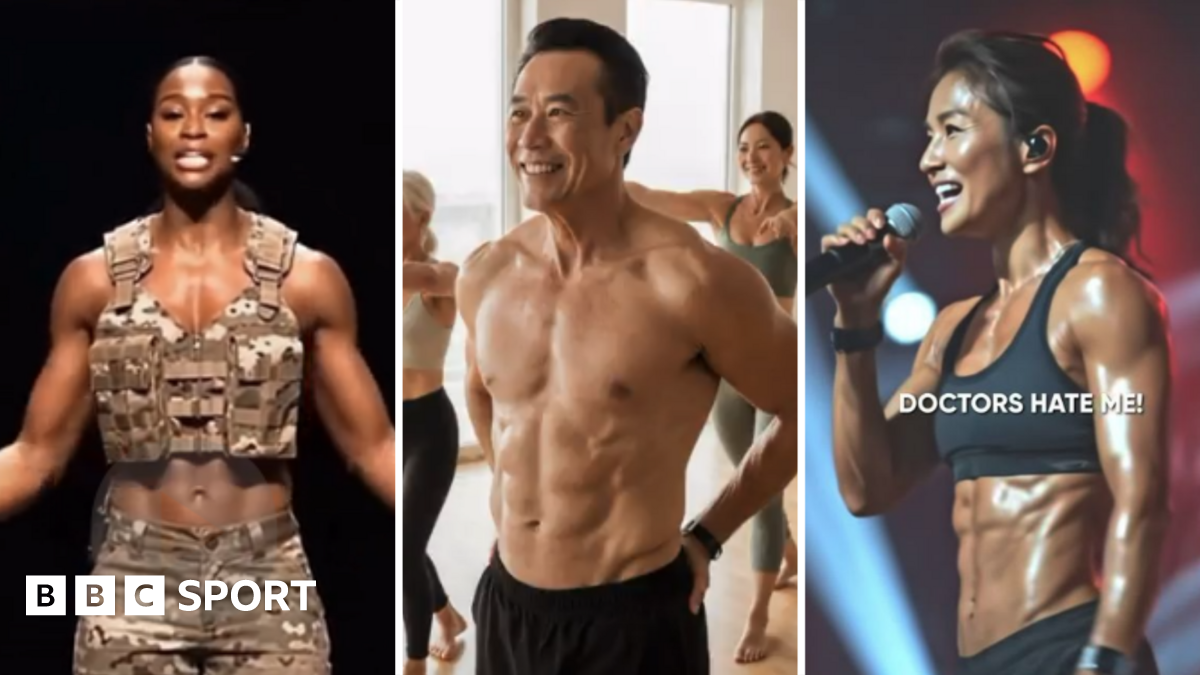
  • Notable Examples of Misleading AI Ads The investigation uncovered numerous AI-generated characters with a strikingly similar message, leading to confusion among viewers. Some prominent examples include: - A **podcast-style** interview featuring a fake instructor claiming that her workout would make women look **20 years younger** in just one month. - An AI-generated army sergeant insisting that traditional gyms are ineffective, while promising **unbelievable** results through military-style workouts in a matter of weeks. - A group of three women portraying body transformations, showcasing before-and-after images that were entirely fabricated. - An AI woman presenting a routine endorsed by a fictional crowd, claiming individuals could lose **40 pounds in 28 days** with her program.
  • Real Fitness Experts Weigh In On the ground in **North Tyneside**, fitness instructor **David Fairlamb** is actively engaging nearly 40 individuals of various ages in a group training session. With **30 years of experience** in the fitness industry, long predating social media and AI, Fairlamb acknowledges the potential benefits of artificial intelligence in fitness but asserts that it cannot replace the value of genuine human coaching.
  • Why This Matters: The Need for Transparency in Fitness Advertising As social media continues to evolve, the implications of misleading AI content in fitness advertising cannot be overstated. Users who engage with fitness-related content are often vulnerable, seeking quick solutions to their health and aesthetic goals. The increasing prevalence of AI-generated fitness influencers not only complicates this landscape but also poses a serious risk to public health.
  • What’s Next? Keeping an Eye on AI Regulation Moving forward, it will be essential to monitor how regulatory bodies respond to the challenges posed by AI in advertising. As the fitness industry adapts to these technological advancements, consumers should remain vigilant, questioning the authenticity of the content they encounter. The conversation surrounding AI in fitness is just beginning, and as it develops, the importance of real-life connections and accountability in fitness coaching will continue to be paramount.

AI Fitness Instructors: The New Face of Deceptive Ads In today's digital age, social media is inundated with visually stunning fitness videos that promise astonishing transformations. These clips often feature **AI-generated characters** showcasing perfectly sculpted bodies, alongside dramatic before-and-after images. Users are led to believe that they can achieve similar results in mere weeks by following simple fitness routines.

But how realistic are these promises? A recent investigation by the BBC has revealed a disturbing trend: many of these ads feature AI characters that violate UK advertising regulations. The investigation highlighted that these promotions often fail to disclose that the individuals depicted do not exist, raising questions about the integrity of fitness advice in the age of artificial intelligence.

The Rise of AI Content in Fitness Advertising The surge of AI-generated content on social media platforms has been notable in the past few years, especially in the realm of fitness. Videos targeting users with enticing claims of rapid body changes are becoming increasingly prevalent. Many of the flagged advertisements showcased AI characters asserting that they had successfully undergone intense workout programs, often featuring results that experts deem **scientifically implausible** within the timeframes advertised.

For instance, some ads boast about the ability to: - Transform your body in just weeks - Appear 20 years younger - Lose up to 40 pounds in a single month

These exaggerated claims can lead to unrealistic expectations among viewers, especially those who are eager for solutions to their fitness and health concerns. According to Prof. Andy Miah, an AI expert from the University of Salford, the phenomenon is widespread, as people are increasingly seeking advice to enhance their well-being and appearance.

The Implications of AI Fitness Influencers One of the significant challenges posed by AI fitness characters is their relentless output. Unlike human influencers, these AI models can generate content endlessly, making it nearly impossible for users to filter or opt-out of this material. Prof. Miah describes the current landscape as a “wild west” of regulation, highlighting the potential harm these misleading ads can cause to consumers.

He emphasizes that these unrealistic claims can instill false hope and cultivate damaging expectations about fitness outcomes. In light of this, the BBC reached out to the companies responsible for several of the misleading ads, but none provided a response.

Notable Examples of Misleading AI Ads The investigation uncovered numerous AI-generated characters with a strikingly similar message, leading to confusion among viewers. Some prominent examples include: - A **podcast-style** interview featuring a fake instructor claiming that her workout would make women look **20 years younger** in just one month. - An AI-generated army sergeant insisting that traditional gyms are ineffective, while promising **unbelievable** results through military-style workouts in a matter of weeks. - A group of three women portraying body transformations, showcasing before-and-after images that were entirely fabricated. - An AI woman presenting a routine endorsed by a fictional crowd, claiming individuals could lose **40 pounds in 28 days** with her program.

Real Fitness Experts Weigh In On the ground in **North Tyneside**, fitness instructor **David Fairlamb** is actively engaging nearly 40 individuals of various ages in a group training session. With **30 years of experience** in the fitness industry, long predating social media and AI, Fairlamb acknowledges the potential benefits of artificial intelligence in fitness but asserts that it cannot replace the value of genuine human coaching.

He expressed deep concern over the misleading nature of AI-generated fitness ads, stating, “It’s so wrong. It’s so misleading. And it’s so worrying for younger kids.” Fairlamb highlights that the claims surrounding 28-day transformations are not representative of real-life fitness journeys, noting, “I’ve been doing this for 30 years, and I’m telling you now - that just doesn’t happen.”

Why This Matters: The Need for Transparency in Fitness Advertising As social media continues to evolve, the implications of misleading AI content in fitness advertising cannot be overstated. Users who engage with fitness-related content are often vulnerable, seeking quick solutions to their health and aesthetic goals. The increasing prevalence of AI-generated fitness influencers not only complicates this landscape but also poses a serious risk to public health.

As the fitness community grapples with these challenges, it is crucial for both regulators and consumers to demand greater transparency and authenticity in fitness advertising. The rise of AI should not come at the expense of ethical standards and truthful representation in health and wellness promotion.

What’s Next? Keeping an Eye on AI Regulation Moving forward, it will be essential to monitor how regulatory bodies respond to the challenges posed by AI in advertising. As the fitness industry adapts to these technological advancements, consumers should remain vigilant, questioning the authenticity of the content they encounter. The conversation surrounding AI in fitness is just beginning, and as it develops, the importance of real-life connections and accountability in fitness coaching will continue to be paramount.

In conclusion, while AI has the potential to enhance fitness experiences, it’s imperative that we prioritize honesty and integrity to foster a healthier, more informed community of fitness enthusiasts.

Did you find this article useful? Share it!

Share

Related Articles

Shocking Maternity Care Failures at Nottingham NHS Trust Revealed
Health
Jun 1, 2026

Shocking Maternity Care Failures at Nottingham NHS Trust Revealed

Shocking findings from Nottingham's maternity unit reveal a toxic culture and alarming neglect. What can be done to improve care? Discover the details.

BBC Health
Major Breakthrough: Daily Pill Doubles Survival for Pancreatic Cancer
Health
Jun 1, 2026

Major Breakthrough: Daily Pill Doubles Survival for Pancreatic Cancer

Discover how daraxonrasib, a new pill, is nearly doubling survival rates for pancreatic cancer patients, offering hope in a challenging battle against this deadly disease.

BBC Health
Waste Firms Propose £5 Deposit on Vapes to Curb Littering
Health
Jun 1, 2026

Waste Firms Propose £5 Deposit on Vapes to Curb Littering

Waste companies propose a £5 deposit on vapes to encourage proper disposal and curb littering as the environmental impact of vapes increases.

BBC Business

Categories

  • World
  • Technology
  • Business
  • Sports

More

  • Entertainment
  • Science
  • Health
  • Politics

Explore

  • Web Stories
  • About Us
  • Contact

Legal

  • Privacy Policy
  • Terms of Service
  • Disclaimer

© 2026 Glipzo. All rights reserved.