Glipzo
WorldTechnologyBusinessSportsEntertainmentScienceHealthPolitics
Glipzo
WorldTechnologyBusinessSportsEntertainmentScienceHealthPolitics
  1. Home
  2. /
  3. Health
  4. /
  5. Shocking ADHD Study Reveals Sleep-Like Brain Activity
Shocking ADHD Study Reveals Sleep-Like Brain Activity

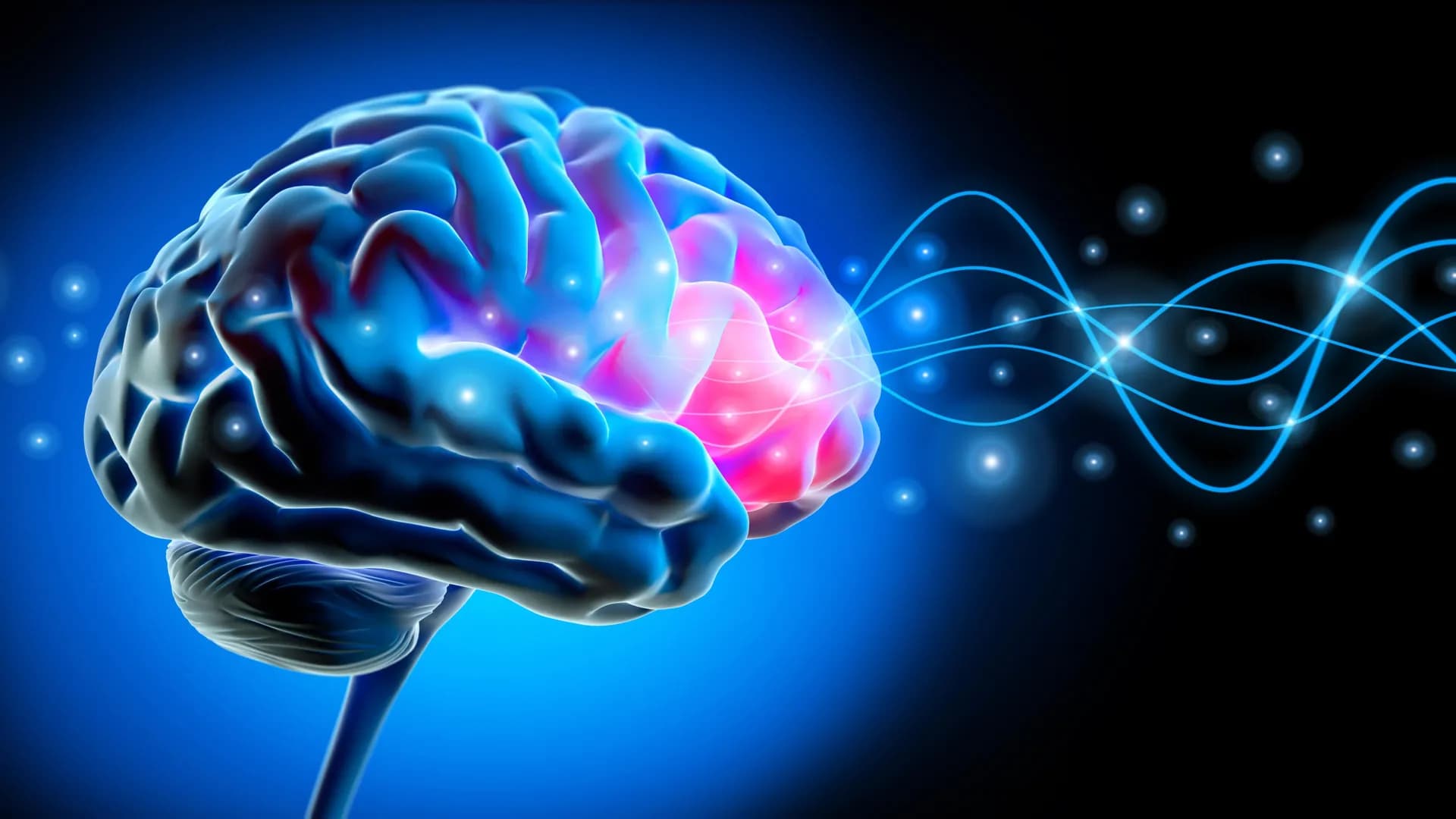
Image: Science Daily

Health
Tuesday, March 17, 20264 min read

Shocking ADHD Study Reveals Sleep-Like Brain Activity

Groundbreaking ADHD study reveals sleep-like brain activity impacts focus. Discover how this could shape future treatments and interventions.

Glipzo News Desk|Source: Science Daily
Share
Glipzo

Key Highlights

  • New study links ADHD to sleep-like brain activity.
  • Increased sleep-like states correlate with attention lapses.
  • Research could lead to innovative ADHD treatments.
  • Understanding ADHD's brain mechanisms is crucial for better outcomes.

In this article

  • New Findings on ADHD and Brain Activity A groundbreaking study published in the Journal of Neuroscience (JNeurosci) has unveiled intriguing insights into how **ADHD** may impact brain function. Researchers led by **Elaine Pinggal** from **Monash University** have discovered that individuals with ADHD exhibit brief bursts of sleep-like brain activity while awake. This phenomenon raises critical questions about the underlying mechanisms of attention difficulties faced by people with ADHD, particularly in adults.
  • Understanding Sleep-Like States in ADHD Pinggal elaborates on the importance of these brief episodes of sleep-like brain activity. She notes that such occurrences are not entirely uncommon during mentally taxing tasks.
  • Implications of the Study The implications of this research are significant. Understanding the link between sleep-like brain activity and attention lapses can pave the way for developing more effective treatment strategies for ADHD. The findings suggest that the increased frequency of sleep-like activity in adults with ADHD may be a critical factor leading to **increased errors**, **slower reaction times**, and a heightened sense of **sleepiness** during tasks.
  • Future Directions for ADHD Treatment Looking forward, researchers are excited about exploring potential treatments aimed at reducing sleep-like brain activity in ADHD patients. Previous studies on neurotypical individuals have indicated that **auditory stimulation during sleep** can enhance slow-wave brain activity, leading to better focus during waking hours.
  • Understanding ADHD ADHD, or **Attention-Deficit/Hyperactivity Disorder**, is a prevalent neurodevelopmental condition affecting both children and adults. It is characterized by persistent patterns of **inattention**, **hyperactivity**, and **impulsivity**, which can disrupt everyday life, including academic performance, workplace productivity, and personal relationships.
  • Why This Research Matters The findings from this study are crucial not only for understanding ADHD but also for developing interventions that can lead to improved outcomes for those affected by the disorder. The connection between sleep-like brain activity and attention challenges offers a new perspective on the cognitive processes underlying ADHD.
  • What to Watch for Next As the scientific community delves deeper into the relationship between sleep-like brain activity and ADHD, several key areas warrant attention: - **Clinical Trials**: Watch for upcoming trials testing auditory stimulation techniques on ADHD patients. - **New Treatments**: Potential development of non-pharmaceutical interventions aimed at reducing sleep-like brain activity. - **Broader Implications**: The broader implications of this research may extend beyond ADHD, potentially influencing our understanding of attention-related disorders as a whole.

New Findings on ADHD and Brain Activity A groundbreaking study published in the Journal of Neuroscience (JNeurosci) has unveiled intriguing insights into how **ADHD** may impact brain function. Researchers led by **Elaine Pinggal** from **Monash University** have discovered that individuals with ADHD exhibit brief bursts of sleep-like brain activity while awake. This phenomenon raises critical questions about the underlying mechanisms of attention difficulties faced by people with ADHD, particularly in adults.

The study involved a comparative analysis between 32 adults diagnosed with ADHD and 31 neurotypical adults. All participants were instructed to engage in tasks requiring sustained attention while their brain activity was closely monitored. The results were compelling, revealing that those with ADHD experienced significantly more instances of sleep-like brain activity, correlating with an increase in attention lapses. This finding underscores the complexity of ADHD and its relationship with focus and attention.

Understanding Sleep-Like States in ADHD Pinggal elaborates on the importance of these brief episodes of sleep-like brain activity. She notes that such occurrences are not entirely uncommon during mentally taxing tasks.

> “Sleep-like brain activity is a normal phenomenon that happens during demanding tasks. Think of going for a long run and getting tired after a while, which makes you pause to take a break. Everyone experiences these brief moments of sleep-like activity. In people with ADHD, however, this activity occurs more frequently, and our research suggests this increased sleep-like activity may be a key brain mechanism that helps explain why these individuals have more difficulty maintaining consistent attention and performance during tasks.”

Implications of the Study The implications of this research are significant. Understanding the link between sleep-like brain activity and attention lapses can pave the way for developing more effective treatment strategies for ADHD. The findings suggest that the increased frequency of sleep-like activity in adults with ADHD may be a critical factor leading to **increased errors**, **slower reaction times**, and a heightened sense of **sleepiness** during tasks.

Future Directions for ADHD Treatment Looking forward, researchers are excited about exploring potential treatments aimed at reducing sleep-like brain activity in ADHD patients. Previous studies on neurotypical individuals have indicated that **auditory stimulation during sleep** can enhance slow-wave brain activity, leading to better focus during waking hours.

Pinggal mentions the possibility of testing whether similar auditory interventions could benefit individuals with ADHD:

> “If effective, it could point to new ways of improving attention and task performance.”

Understanding ADHD ADHD, or **Attention-Deficit/Hyperactivity Disorder**, is a prevalent neurodevelopmental condition affecting both children and adults. It is characterized by persistent patterns of **inattention**, **hyperactivity**, and **impulsivity**, which can disrupt everyday life, including academic performance, workplace productivity, and personal relationships.

Symptoms of ADHD can vary significantly from one individual to another. Some may struggle primarily with inattention, while others may exhibit more hyperactive or impulsive behaviors, or a combination of both. The disorder is linked to differences in brain function and development, particularly in regions associated with attention, self-control, and executive function.

Why This Research Matters The findings from this study are crucial not only for understanding ADHD but also for developing interventions that can lead to improved outcomes for those affected by the disorder. The connection between sleep-like brain activity and attention challenges offers a new perspective on the cognitive processes underlying ADHD.

By identifying the brain mechanisms at play, researchers can work towards innovative therapies that could significantly enhance the quality of life for individuals with ADHD. As this field of research evolves, it is essential to monitor future studies and emerging therapies that may arise from these findings.

What to Watch for Next As the scientific community delves deeper into the relationship between sleep-like brain activity and ADHD, several key areas warrant attention: - **Clinical Trials**: Watch for upcoming trials testing auditory stimulation techniques on ADHD patients. - **New Treatments**: Potential development of non-pharmaceutical interventions aimed at reducing sleep-like brain activity. - **Broader Implications**: The broader implications of this research may extend beyond ADHD, potentially influencing our understanding of attention-related disorders as a whole.

In conclusion, this study marks a significant step in unraveling the complexities of ADHD and offers hope for more effective treatments that can improve focus and reduce the impact of this pervasive condition.

Did you find this article useful? Share it!

Share

Related Articles

Minister Denies Raw Sewage Posters in Belfast Lough Controversy
Health
Apr 15, 2026

Minister Denies Raw Sewage Posters in Belfast Lough Controversy

Posters warning of raw sewage in Belfast Lough mislead public, says minister. Discover the implications and future actions to ensure water safety.

BBC Science
Surprising Benefits of Doctors' Strikes: A Deeper Look
Health
Apr 15, 2026

Surprising Benefits of Doctors' Strikes: A Deeper Look

Doctors' strikes in England reveal surprising benefits for the NHS, leading to faster care but raising questions about sustainability and future workforce training.

BBC Health
Shocking Child HIV Outbreak Linked to Unsafe Hospital Practices
Health
Apr 14, 2026

Shocking Child HIV Outbreak Linked to Unsafe Hospital Practices

A shocking HIV outbreak in Taunsa, Pakistan, linked to unsafe syringe practices at a local hospital, raises urgent questions about healthcare safety.

BBC World

Categories

  • World
  • Technology
  • Business
  • Sports

More

  • Entertainment
  • Science
  • Health
  • Politics

Explore

  • Web Stories
  • About Us
  • Contact

Legal

  • Privacy Policy
  • Terms of Service

© 2026 Glipzo. All rights reserved.