

Image: TechCrunch
Rivian delays its 2027 profit goal due to heavy investments in autonomy. Discover their new partnership with Uber and what lies ahead for the EV maker.
GlipzoIn a surprising turn of events, Rivian has announced it will not achieve its long-anticipated profitability target of 2027. The revelation came on Thursday, revealing the company’s significant expenditures in developing its autonomous vehicle technology. As Rivian ramps up its research and development (R&D) efforts, the financial implications mean the company will not reach positive EBITDA (earnings before interest, taxes, depreciation, and amortization) as soon as expected.
The details were disclosed in a filing that also highlighted Rivian's new collaboration with Uber, aimed at creating robotaxi versions of the anticipated R2 SUV. While Rivian did not provide further comments beyond the filing, the partnership signifies a pivotal moment for the electric vehicle manufacturer.
Historically, Rivian has communicated to its investors that achieving positive EBITDA by 2027 was contingent on the successful launch of the R2 SUV and an increase in its software revenue. However, a confluence of factors has hindered this ambition. These include: - The discontinuation of the federal EV tax credit - Reduced ability to sell regulatory credits to other automakers - Increased costs driven by tariffs from the Trump administration
These challenges have compounded, making it increasingly difficult for Rivian to reach profitability. Analyst Joseph Spak from UBS pointed out in February that he did not expect Rivian to see positive EBITDA for “a number of years.” Cumulatively, the company has reported a staggering total net loss of $27 billion since its founding in 2009, up until the end of 2025.
The primary reason behind Rivian's decision to postpone its profitability target is its heavy investment in autonomous technology. RJ Scaringe, the company’s founder and CEO, has indicated that the focus on research and development for self-driving capabilities is consuming a larger share of the budget than any other operational area.
In its annual filing, Rivian disclosed that it invested $1.7 billion in R&D in 2025, up from $1.6 billion the previous year. This increase is attributed to higher engineering, design, and prototyping costs, along with software expenses specifically aimed at supporting the R2 launch and advancing AI and autonomy initiatives.
Rivian is working on its proprietary “large driving model,” alongside the development of a custom processor and an “autonomy computer” to manage its software. The company aims to introduce eyes-off, hands-off driving features by next year, with aspirations of achieving “personal L4” driving. This classification, defined by the Society of Automotive Engineers, indicates a level of autonomy where vehicles can operate independently in designated areas without human intervention.
These ambitious goals were first discussed during Rivian's inaugural “Autonomy & AI Day” in December, where Scaringe showcased the company’s capabilities and provided test rides of its driver-assistance systems.
The newly announced partnership with Uber marks a significant expansion of Rivian's strategic initiatives. The collaboration includes Uber committing to invest up to $1.25 billion in Rivian, with the potential purchase of up to 50,000 R2 SUVs for its ride-hailing network. Initially, the ride-hailing giant will invest $300 million and order 10,000 R2s, with the bulk of the deal projected to unfold around 2030.
Despite the promising partnership with Uber, Rivian faces numerous financial hurdles. The company is gearing up to construct a brand new factory in Georgia this year, while simultaneously preparing for the production launch of the R2. Rivian has informed investors that it anticipates spending between $1.95 billion and $2.05 billion in the current year alone.
As Rivian pivots its focus towards autonomous vehicle technology, the implications could reshape its financial landscape. The company’s substantial investments may yield long-term benefits, but the short-term outlook remains fraught with uncertainty. Investors and industry observers will be closely monitoring Rivian’s progress in both its R2 SUV launch and its autonomous technology developments.
Looking forward, Rivian's commitment to autonomy could position it as a significant player in the electric vehicle market. However, the road to profitability will likely be long and complex, requiring strategic navigation of both technological advancements and economic challenges. As the company develops its product offerings and partnerships, stakeholders will be eager to see how these efforts translate into financial stability and market success.
In summary, Rivian's decision to delay its profitability target underscores the intense competition and rapid evolution in the electric vehicle sector. The outcomes of its ambitious projects and partnerships will play a critical role in determining the company’s future trajectory in the automotive industry.
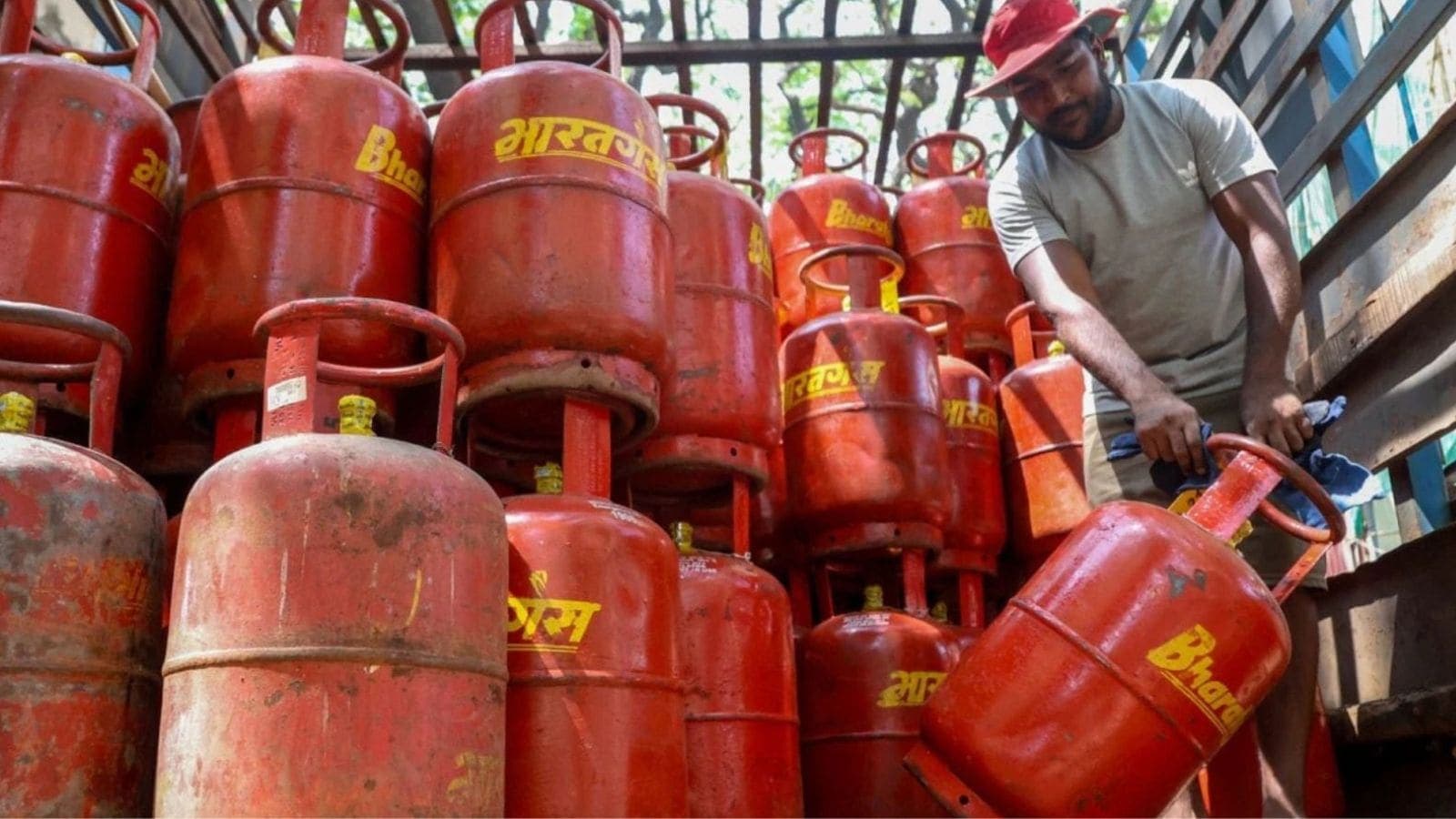
Commercial LPG prices have risen again, with increases of ₹42 in Delhi and ₹53.50 in Kolkata impacting businesses and consumers alike. Find out more.
Indian Express
Discover how a tragic coal mine explosion in Shanxi, China, reveals ongoing safety concerns in the industry amidst a push for green energy.
BBC Business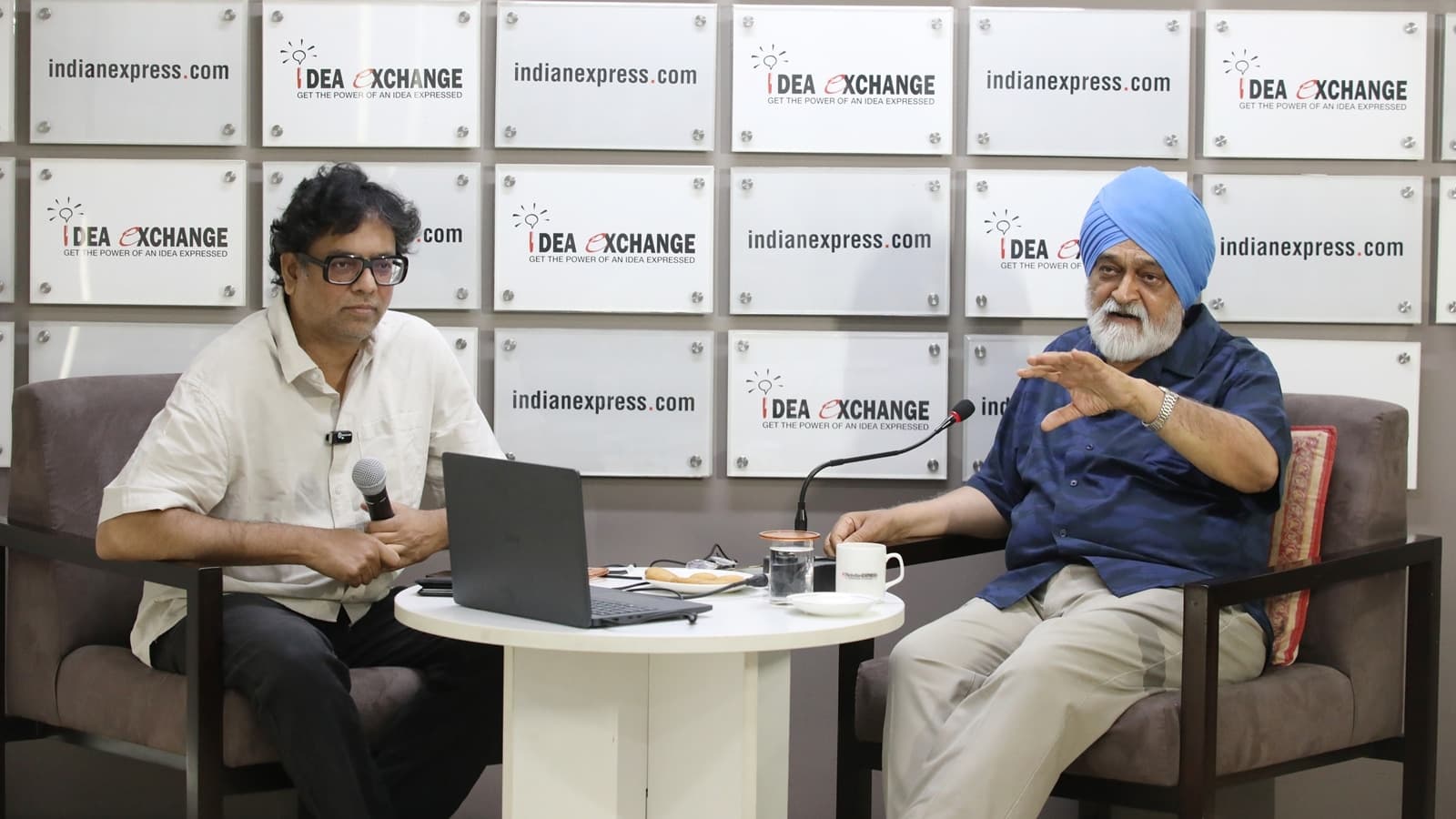
Montek Singh Ahluwalia highlights key economic challenges for India, emphasizing the need for a strategic approach to balance payments and investment.
Indian Express