Glipzo
WorldTechnologyBusinessSportsEntertainmentScienceHealthPolitics
Glipzo
WorldTechnologyBusinessSportsEntertainmentScienceHealthPolitics
  1. Home
  2. /
  3. Business
  4. /
  5. Rising Costs: Summer Bottled Water Prices Hit Indians Hard
Rising Costs: Summer Bottled Water Prices Hit Indians Hard

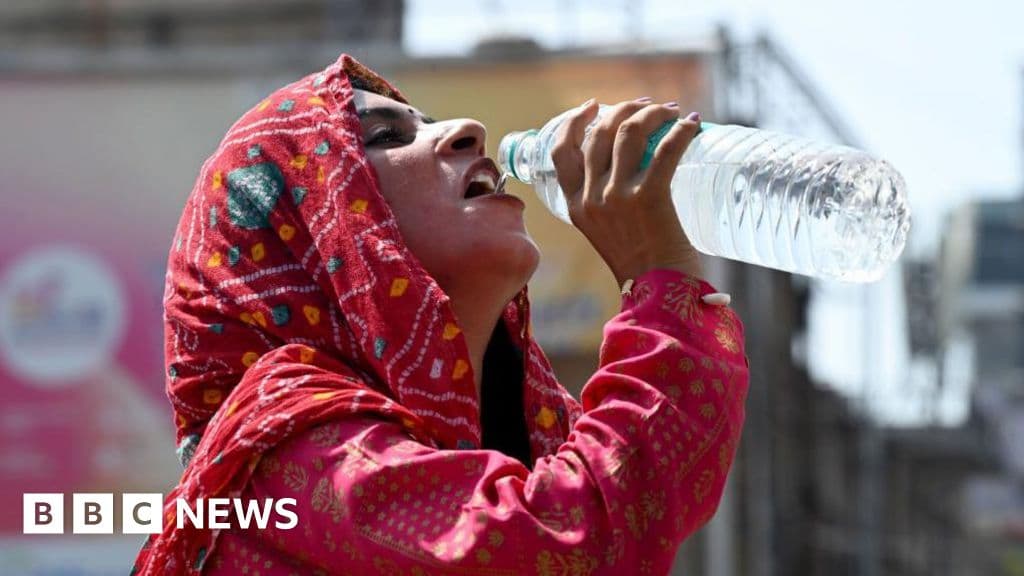
Image: BBC World

Business
Friday, April 3, 20264 min read

Rising Costs: Summer Bottled Water Prices Hit Indians Hard

Rising tensions in Iran are driving up bottled water prices in India, impacting millions as summer approaches. Discover the full story behind this crisis.

Glipzo News Desk|Source: BBC World
Share
Glipzo

Key Highlights

  • Bottled water prices in India surge as summer heats up
  • Iran conflict disrupts global shipping, affecting local markets
  • Manufacturers warn of unsustainable practices amid rising costs
  • Rural households face tougher challenges for clean water access

In this article

  • Bottled Water Price Surge Amidst Geopolitical Tensions As India prepares for an intense summer with temperatures soaring over **45°C**, the ongoing conflict in **Iran** is casting a shadow on the nation's **$6 billion bottled water industry**. Manufacturers are facing significant challenges in securing essential raw materials, prompting price hikes that could affect millions of consumers.
  • The Population's Dependence on Bottled Water According to a recent study by **Data for India**, around **15% of urban households** and **6% of rural households** rely on bottled water for their drinking needs. The reliance on bottled water can be especially burdensome for rural communities, where access to clean drinking water is limited due to factors like **water shortages**, **groundwater contamination**, and **infrastructure deficits**.
  • Rising Production Costs Affecting Multiple Industries **Vijaysinh Dubbal**, president of the **Maharashtra Bottled Water Manufacturers Association**, explains that the escalating price of crude oil is a significant contributor to the rising costs of bottled water, which is predominantly packaged in plastic. Recently, the price of **Brent crude oil** approached **$119** per barrel, one of the highest levels since the onset of the US-Israel war with Iran.
  • Current Consumer Impact and Future Outlook Despite some brands raising prices, many manufacturers and vendors have so far absorbed these additional costs to protect consumers. As a result, the price of a typical one-liter bottle of drinking water remains around **20 rupees**, while five-liter bottles are still selling for **60-70 rupees**. However, Dubbal warns that this practice is unsustainable, stating, "If conditions worsen, customers will inevitably face increased prices."
  • Rising Demand Compounded by Supply Strain The timing of these price hikes could not be worse, as demand for bottled water and non-alcoholic beverages typically spikes during the peak summer months of April and May. **Vaibhav Saraogi**, director of **Chemco Plastic Industries Pvt Ltd**, one of India's major suppliers of PET preforms, indicates that the rising costs will reverberate across the entire packaging industry, affecting not just bottled water but also various sectors that utilize PET packaging, including **beauty products**, **pharmaceuticals**, and **food delivery services**.
  • Why It Matters The implications of rising bottled water prices extend beyond mere consumer discomfort. As access to clean water becomes increasingly strained, the economic burden on low-income families could escalate, further exacerbating health disparities in rural and urban communities. This situation poses a significant challenge for India, where reliable access to safe drinking water remains a critical public health issue.
  • What’s Next? Future Considerations Looking ahead, consumers and businesses alike should prepare for an uncertain summer. If the conflict in Iran continues and supply chain issues persist, it is likely that bottled water prices will further increase, impacting both affordability and access.

Bottled Water Price Surge Amidst Geopolitical Tensions As India prepares for an intense summer with temperatures soaring over **45°C**, the ongoing conflict in **Iran** is casting a shadow on the nation's **$6 billion bottled water industry**. Manufacturers are facing significant challenges in securing essential raw materials, prompting price hikes that could affect millions of consumers.

In March 2023, leading bottled water producer Bisleri announced an 11% price increase, raising the cost of a box containing 12 one-liter bottles by 24 rupees (approximately $0.26). Other brands, including Bailley and Clear Premium Water, have similarly raised their prices, as reported by Reuters.

The Population's Dependence on Bottled Water According to a recent study by **Data for India**, around **15% of urban households** and **6% of rural households** rely on bottled water for their drinking needs. The reliance on bottled water can be especially burdensome for rural communities, where access to clean drinking water is limited due to factors like **water shortages**, **groundwater contamination**, and **infrastructure deficits**.

As summer approaches, the situation is exacerbated by rising temperatures that increase demand for bottled water. The war in Iran has made access to necessary resources even more critical, as about 20% of the world's oil and liquefied natural gas typically transit through the Strait of Hormuz, which is currently under blockade. The disruption to global shipping caused by this conflict has led to soaring fuel prices, further impacting India's economy.

Rising Production Costs Affecting Multiple Industries **Vijaysinh Dubbal**, president of the **Maharashtra Bottled Water Manufacturers Association**, explains that the escalating price of crude oil is a significant contributor to the rising costs of bottled water, which is predominantly packaged in plastic. Recently, the price of **Brent crude oil** approached **$119** per barrel, one of the highest levels since the onset of the US-Israel war with Iran.

Crude oil is a key ingredient in the production of Polyethylene Terephthalate (PET) resin pellets, which are essential for creating plastic bottles. The price of these preforms has surged from 115 rupees to approximately 180 rupees per kilogram, causing distress across the manufacturing sector. Dubbal noted that nearly 20% of bottle manufacturing plants in Maharashtra have temporarily halted operations due to these challenges.

Current Consumer Impact and Future Outlook Despite some brands raising prices, many manufacturers and vendors have so far absorbed these additional costs to protect consumers. As a result, the price of a typical one-liter bottle of drinking water remains around **20 rupees**, while five-liter bottles are still selling for **60-70 rupees**. However, Dubbal warns that this practice is unsustainable, stating, "If conditions worsen, customers will inevitably face increased prices."

Rising Demand Compounded by Supply Strain The timing of these price hikes could not be worse, as demand for bottled water and non-alcoholic beverages typically spikes during the peak summer months of April and May. **Vaibhav Saraogi**, director of **Chemco Plastic Industries Pvt Ltd**, one of India's major suppliers of PET preforms, indicates that the rising costs will reverberate across the entire packaging industry, affecting not just bottled water but also various sectors that utilize PET packaging, including **beauty products**, **pharmaceuticals**, and **food delivery services**.

In addition to bottled water, the Brewers Association of India, which represents multinational companies like Heineken and Carlsberg, has reported a 20% increase in glass bottle prices, prompting requests for beer price increases of 12-15% from state governments, as alcohol pricing varies across regions in India.

Why It Matters The implications of rising bottled water prices extend beyond mere consumer discomfort. As access to clean water becomes increasingly strained, the economic burden on low-income families could escalate, further exacerbating health disparities in rural and urban communities. This situation poses a significant challenge for India, where reliable access to safe drinking water remains a critical public health issue.

The conflict in Iran is an example of how geopolitical tensions can have far-reaching effects on domestic markets, forcing consumers to adjust their budgets amidst rising costs for essential goods.

What’s Next? Future Considerations Looking ahead, consumers and businesses alike should prepare for an uncertain summer. If the conflict in Iran continues and supply chain issues persist, it is likely that bottled water prices will further increase, impacting both affordability and access.

Stakeholders in the bottled water and packaging industries must adapt to these shifts, considering alternative materials or sourcing strategies to mitigate the impacts of rising oil prices. Additionally, policymakers may need to address the underlying infrastructure challenges contributing to water scarcity in India, ensuring that all citizens have access to safe drinking water, regardless of market fluctuations.

In summary, the war in Iran not only threatens international stability but also poses a tangible risk to the daily lives of millions of Indians, highlighting the interconnectedness of global events and local economies.
Did you find this article useful? Share it!

Share

Related Articles

Major Guilty Plea: Evergrande's Founder Admits Fraud Charges
Business
Apr 14, 2026

Major Guilty Plea: Evergrande's Founder Admits Fraud Charges

Evergrande founder Hui Ka Yan pleads guilty to fraud amid the company's collapse, impacting China's property sector. What does this mean for the future?

BBC Business
Sonu Nigam Sells Rs 1.95 Crore Agricultural Land in Raigad
Business
Apr 14, 2026

Sonu Nigam Sells Rs 1.95 Crore Agricultural Land in Raigad

Sonu Nigam's sale of Rs 1.95 crore agricultural land in Raigad reveals growing interest in rural real estate and agri-tourism. Discover the details!

Bollywood Hungama
Oil Prices Fall Amid Renewed US-Iran Peace Negotiations
Business
Apr 14, 2026

Oil Prices Fall Amid Renewed US-Iran Peace Negotiations

Oil prices dip as US-Iran peace talks gain traction. Discover how these developments could impact global energy markets and economic stability.

BBC Business

Categories

  • World
  • Technology
  • Business
  • Sports

More

  • Entertainment
  • Science
  • Health
  • Politics

Explore

  • Web Stories
  • About Us
  • Contact

Legal

  • Privacy Policy
  • Terms of Service

© 2026 Glipzo. All rights reserved.