
Image: Science Daily
New research links successful root canal treatments to improved heart health and blood sugar levels, highlighting the importance of oral health in overall wellness.
GlipzoA recent study from King's College London has unveiled a groundbreaking link between dental health and systemic diseases, particularly heart disease and diabetes. The research emphasizes that successful root canal treatments do more than just save teeth; they might significantly lower inflammation and improve metabolic markers related to blood sugar and cholesterol levels.
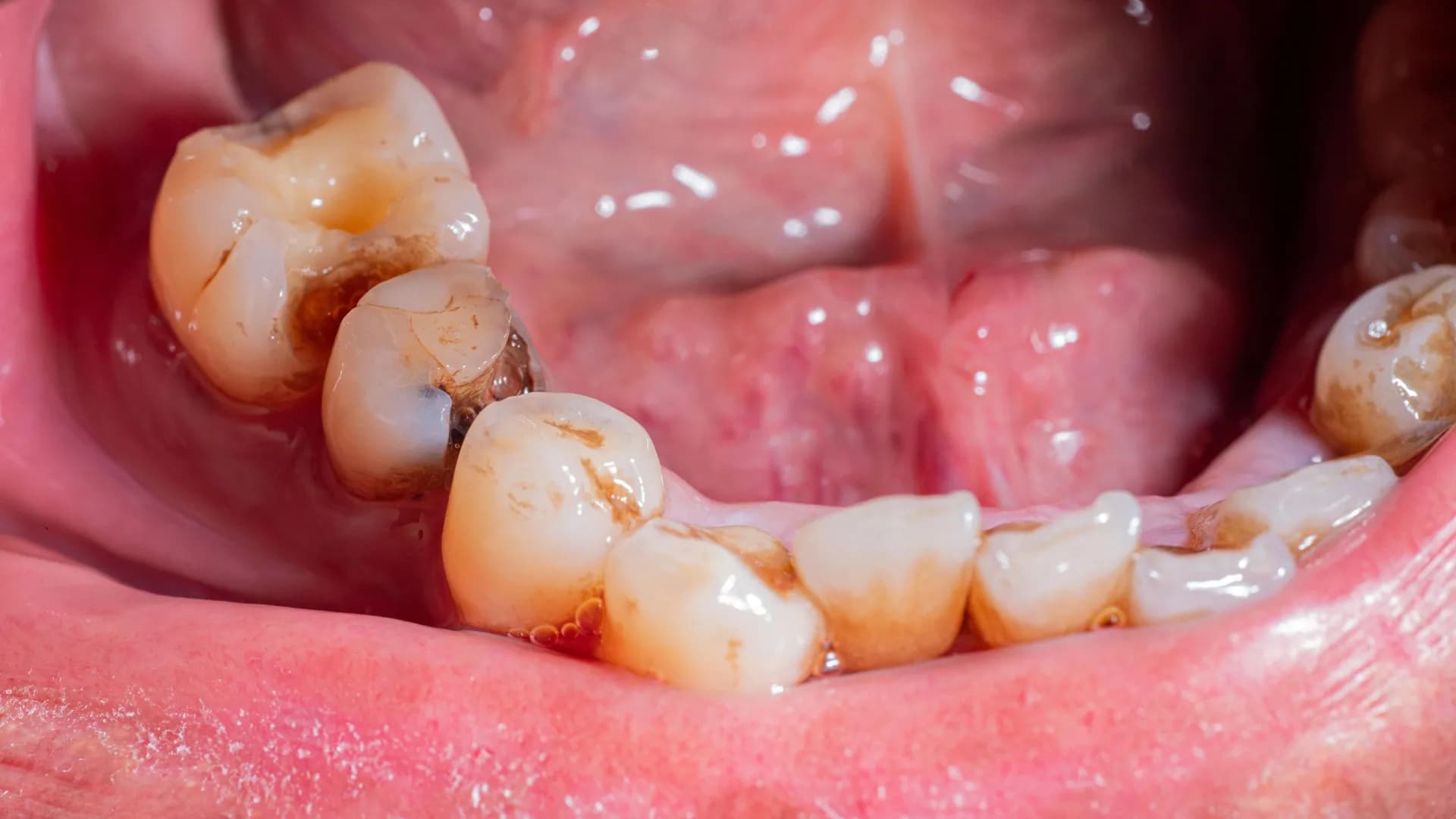
The findings suggest that dental infections, specifically apical periodontitis, can allow harmful bacteria to infiltrate the bloodstream. This infection not only jeopardizes oral health but also poses risks for cardiovascular health and glucose metabolism. Understanding this connection can lead to a more integrated approach in treating patients, highlighting the importance of oral health in overall well-being.
The study involved 65 patients at Guy's and St Thomas' NHS Foundation Trust, who underwent root canal procedures. Over a two-year period, researchers meticulously tracked changes in blood chemistry post-treatment. They aimed to assess how effectively the body processed crucial substances like sugars and fats following the elimination of the infection.
Key findings from the research indicate that treating root canal infections can help reduce inflammation, which is a significant factor in the development of heart disease and diabetes. The bacteria from untreated dental infections can elevate levels of inflammatory markers, leading to chronic health issues. Thus, addressing these dental problems is not just about maintaining a healthy smile; it has broader implications for patients' overall health outcomes.
Utilizing nuclear magnetic resonance (NMR) spectroscopy, the research team analyzed various biomarkers in patients' blood. This technology enabled them to delve into the metabolic changes triggered by successful dental treatments. Key markers that showed improvement included:
Dr. Sadia Niazi, the lead author and Senior Clinical Lecturer in Endodontology, highlighted the significance of these findings. She stated, “Our results illustrate that root canal treatment goes beyond improving oral health; it may significantly lower the risks associated with serious conditions like diabetes and heart disease.”
Dr. Niazi urged the dental community to recognize the far-reaching effects of long-standing dental infections. She emphasized the necessity for early diagnosis and treatment to mitigate the risks of systemic diseases. “It’s time to move beyond the tooth and embrace a truly holistic approach to dental care,” she remarked, advocating for a partnership between dental professionals and general practitioners.
This integrated care model could enhance monitoring for patients, utilizing blood markers to evaluate recovery and potential health risks post-treatment. The study underscores the critical role that dentists can play in managing broader health issues, reinforcing the idea that oral health is an integral component of overall health.
While the research provides promising insights, Dr. Niazi acknowledged that further studies are necessary to confirm these findings on a larger scale. Nonetheless, the implications are significant, suggesting that dentists should be proactive in addressing dental infections not just for oral health but for their potential impact on systemic conditions.
The study, published in the Journal of Translational Medicine, paves the way for future research exploring the connection between oral health and systemic diseases. As the medical community shifts towards a more integrated approach, we can expect to see changes in how dental practices operate, potentially leading to better health outcomes for patients across the board.
Understanding the relationship between dental health and systemic diseases like heart disease and diabetes is crucial. With inflammation being a common denominator in many chronic conditions, addressing oral health can serve as a preventive measure against more serious health issues. This research encourages a holistic view of health, where dental care is recognized as a fundamental pillar in maintaining overall well-being.
As the dialogue around integrated healthcare continues, it is essential for patients to stay informed and proactive about their dental health. The next steps involve broader studies to solidify these findings, and the anticipation of a shift in healthcare paradigms that holistically address the connections between oral and systemic health.
Ultimately, this research opens the door for a more comprehensive understanding of health, highlighting the interconnectedness of various bodily systems and the importance of preventive care.

Shocking findings from Nottingham's maternity unit reveal a toxic culture and alarming neglect. What can be done to improve care? Discover the details.
BBC Health
Discover how daraxonrasib, a new pill, is nearly doubling survival rates for pancreatic cancer patients, offering hope in a challenging battle against this deadly disease.
BBC Health
Waste companies propose a £5 deposit on vapes to encourage proper disposal and curb littering as the environmental impact of vapes increases.
BBC Business