
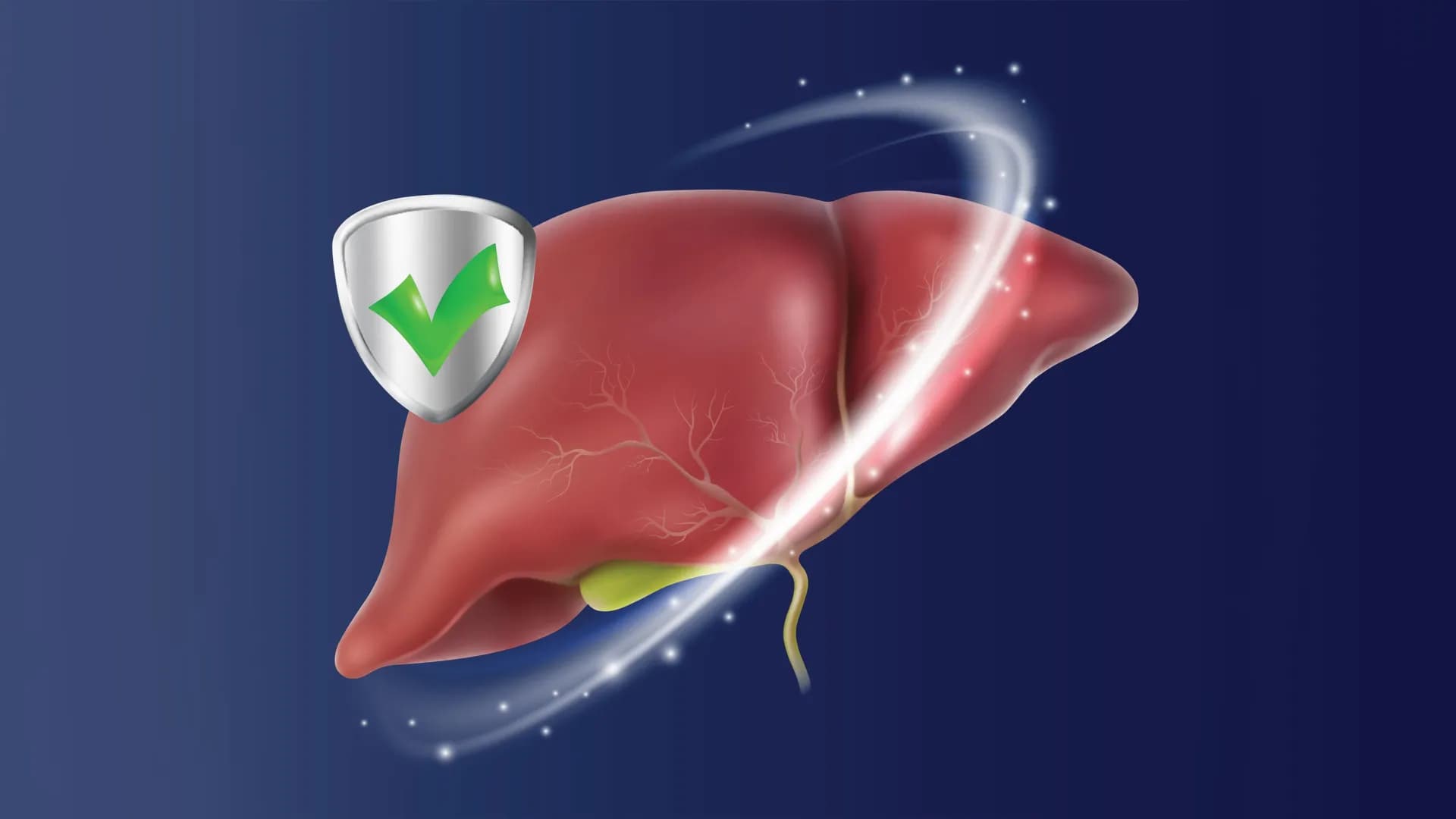
Image: Science Daily
Discover how a new drug from WashU protects the liver after intestinal surgery, potentially transforming patient care and nutrient absorption.
GlipzoWhen patients undergo a radical small bowel resection, a surgical procedure often necessary to remove diseased sections of the small intestine, they face significant health risks, particularly concerning their liver. This surgery, while lifesaving, can lead to long-term complications, including serious liver damage and even liver failure, which may necessitate a transplant. Alarmingly, up to 15% of those who have this surgery develop liver-related issues, and until now, no effective medications existed to prevent these complications.
Researchers at Washington University School of Medicine in St. Louis have recently made significant strides in this field with the development of a novel compound. In experiments conducted on mice, the findings indicate that this new drug not only offers protection to the liver but also enhances the body’s capacity to absorb nutrients post-surgery. Notably, the compound operates exclusively within the gastrointestinal tract, a feature that minimizes potential side effects elsewhere in the body.
Published on March 6 in the esteemed journal Gastroenterology, the study marks a significant advancement in the search for effective therapies for patients facing surgical interventions on the small intestine.
Gwendalyn Randolph, PhD, senior author of the study and a distinguished professor of immunology at WashU, emphasized the importance of this research. “Our goal is to advance a therapeutic drug capable of preserving liver function and mitigating the necessity for liver transplants in people who've undergone small bowel surgery,” she stated. Randolph's words highlight the urgency of finding solutions for this vulnerable patient population.
Following a small bowel resection, patients often develop short bowel syndrome. This condition severely limits the intestine's ability to absorb essential nutrients, leading to malnutrition and requiring long-term intravenous feeding—a process that can strain the liver further. Particularly at risk are premature infants suffering from necrotizing enterocolitis, a severe disease necessitating surgical intervention. These children face a high probability of developing liver disease after surgery, underscoring the critical need for preventive treatments.
The research extends to the interactions between gut bacteria and liver health. The late Brad Warner, MD, a pediatric surgeon and researcher at WashU, previously identified that substances produced by gut bacteria can travel to the liver and induce damage post-surgery. His team's findings in 2021 revealed that high-density lipoprotein (HDL), often referred to as “good” cholesterol, could play a protective role by obstructing these harmful substances from reaching the liver.
Building upon these foundational insights, the researchers explored a class of drugs known as liver X receptor agonists. These drugs are designed to enhance HDL production in the liver and intestines. However, earlier versions had systemic effects that resulted in severe side effects throughout the body. To overcome this limitation, the team developed a “gut-restricted” version that acts only in the intestines, minimizing unwanted effects elsewhere.
Bahaa Elgendy, PhD, an associate professor of anesthesiology at WashU and a co-author of the study, synthesized the compound, designated as WUSTL0717. Remarkably, this compound remains localized in the intestines when administered orally to mice, offering a safe alternative to previous drug options.
In the study, researchers evaluated the effects of WUSTL0717 on mice that underwent small bowel resection. The results were promising: those treated with the drug three weeks post-surgery demonstrated enhanced nutrient absorption and exhibited greater weight gain compared to those that received no treatment. This suggests that WUSTL0717 could play a vital role in mitigating the adverse effects of surgery on nutrition.
The protective qualities of WUSTL0717 extend to liver health as well. The research team found that this compound significantly reduces liver fibrosis—a condition characterized by scar tissue buildup that disrupts normal liver function. Mice treated with WUSTL0717 showed markedly lower levels of collagen, a key component of scar tissue, in comparison to untreated mice or those that underwent a sham procedure.
The implications of this research are profound, particularly for individuals undergoing intestinal surgeries. The development of WUSTL0717 could revolutionize treatment protocols, offering hope for those at risk of liver complications. If further studies confirm these results, it could lead to a new standard of care for patients, significantly decreasing the need for liver transplants and improving overall health outcomes.
As researchers continue to advance their work, several questions remain. Future studies will need to evaluate the efficacy of WUSTL0717 in larger populations and over extended periods. Additionally, researchers will explore the potential of human trials to determine if the compound can provide similar protective benefits in human patients. This groundbreaking research could pave the way for innovative treatments that change the landscape of post-operative care for patients with intestinal complications, ultimately saving lives and enhancing the quality of life for many.
In conclusion, the promising findings from Washington University School of Medicine signal a critical advancement in the fight against liver complications following intestinal surgery. Expect to see more developments in this area as research progresses, offering renewed hope for patients and their families alike.
Shocking findings from Nottingham's maternity unit reveal a toxic culture and alarming neglect. What can be done to improve care? Discover the details.
BBC Health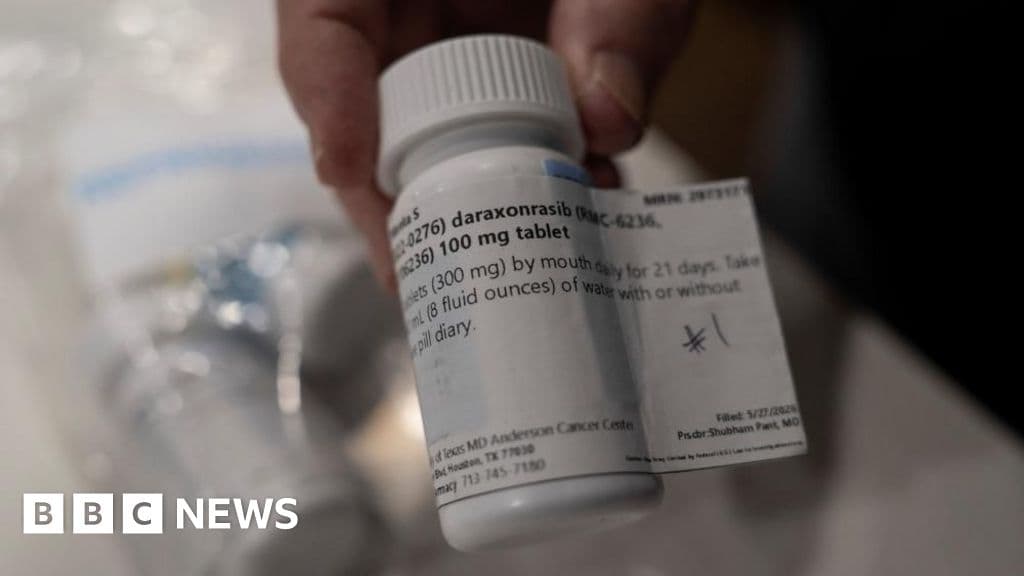
Discover how daraxonrasib, a new pill, is nearly doubling survival rates for pancreatic cancer patients, offering hope in a challenging battle against this deadly disease.
BBC Health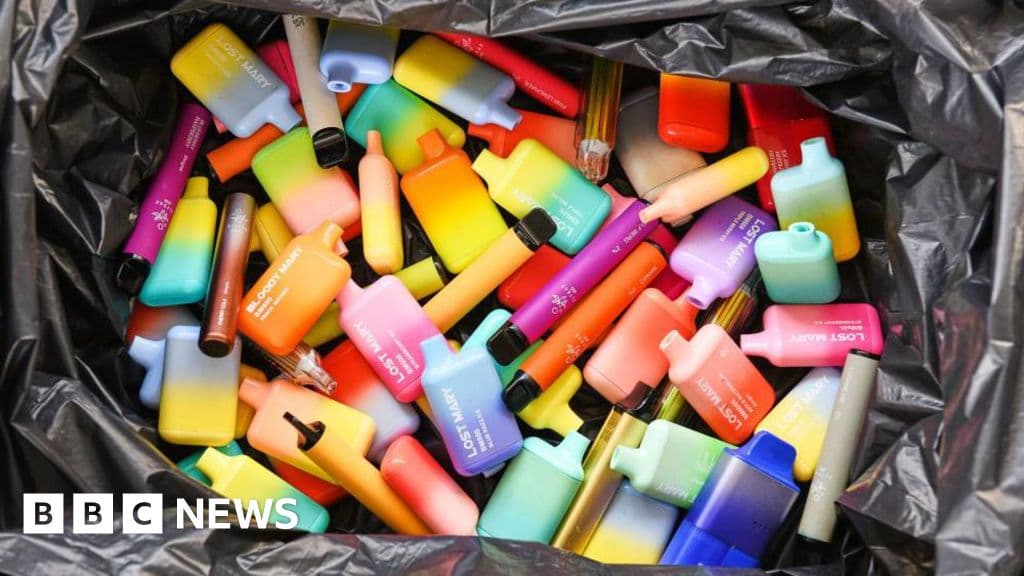
Waste companies propose a £5 deposit on vapes to encourage proper disposal and curb littering as the environmental impact of vapes increases.
BBC Business